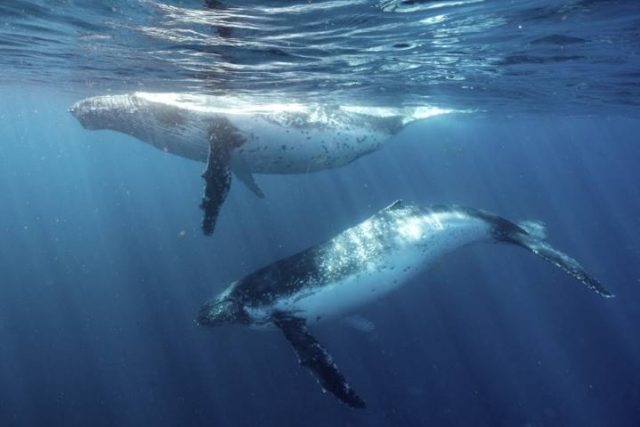
Every year, the New South Wales coastline becomes one of the world’s great whale-watching routes. Humpback whales travel north from Antarctic waters toward warmer breeding grounds before returning south, often accompanied by their calves.
Known as the “Humpback Highway,” the migration can be observed from Byron Bay in the north to Eden on the Sapphire Coast. Travelers can join a dedicated whale-watching cruise, paddle from Byron Bay, hike to an elevated headland or simply bring binoculars to one of the state’s coastal lookouts.
The operators included below were actively offering whale-watching experiences when this guide was updated. Tours are seasonal and weather dependent, so check the operator’s website before traveling.
When Is Whale-Watching Season in NSW?
The principal whale-watching season in New South Wales runs from May to November.
Humpbacks generally travel north between May and July. According to NSW National Parks, the greatest number of northbound whales is typically seen around late June and July.
The southern migration gathers momentum from September through November. This can be an especially rewarding period because mothers frequently travel with their calves, sometimes resting in sheltered bays before continuing toward Antarctica.
Humpbacks are the stars of the migration, but travelers may also encounter southern right whales, minke whales, dolphins, seals and a variety of seabirds.
Whale Watching in Byron Bay
Mainland Australia’s easternmost point gives Byron Bay an enviable position along the migration route. Cape Byron’s elevated headlands offer broad ocean views, and whales can sometimes be seen surprisingly close to shore.
Where to Watch From Land
The walking trails surrounding Cape Byron Lighthouse provide some of the region’s best viewpoints. Broken Head, Tallow Beach and the Three Sisters walking track are other possibilities listed by NSW National Parks.
Bring binoculars and watch for blows, splashes and breaching whales beyond the surf. Early morning often provides calmer conditions and softer light for photography.
Current Byron Bay Whale-Watching Operators
Byron Bay Whale Watching operates seasonal excursions directly from The Pass in Byron Bay. Its departure location offers quick access to the migration route without a lengthy trip from a distant harbor.
Out of the Blue Adventures runs whale-watching cruises from Ballina, south of Byron Bay. The small-group excursions include marine interpretation and operate several times a day during the season.
For a more active experience, Cape Byron Kayaks offers guided sea-kayaking trips. Whale encounters may be possible during migration season, although wildlife sightings can never be guaranteed.
Whale Watching in Coffs Harbour
Coffs Harbour sits beside the Solitary Islands Marine Park, creating opportunities to see whales from both land and water.
Where to Watch From Land
Muttonbird Island Nature Reserve is one of the best-known viewpoints. The walk across the island leads to elevated lookouts with expansive views over the Pacific. Woolgoolga Headland, Look At Me Now Headland and Arrawarra Headland are other useful vantage points along the Coffs Coast.
Current Coffs Harbour Whale-Watching Operators
Whale Watch Experience operates aboard Pacific Explorer. The family-friendly vessel carries a maximum of 23 passengers and has open deck space for watching and photographing whales.
Jetty Dive Centre runs seasonal whale-watching cruises from Coffs Harbour. The company also advertises regulated swim-with-whales experiences on selected departures. Conditions, eligibility requirements and wildlife regulations apply, so travelers should review the details carefully before booking.
Whale Watching in Port Macquarie
Port Macquarie combines convenient cruise departures with an excellent network of coastal walking trails.
Where to Watch From Land
The Port Macquarie Coastal Walk links beaches, headlands and elevated ocean viewpoints. Other possibilities in the region include Charles Hamey Lookout in Kattang Nature Reserve, Smoky Cape Lighthouse and the headlands of Crowdy Bay National Park.
Current Port Macquarie Whale-Watching Operator
Port Jet Cruise Adventures operates whale and dolphin tours from its cruise terminal in central Port Macquarie. Its seasonal excursions travel into the open ocean in search of migrating humpbacks.
Whale Watching in Newcastle and Port Stephens
Port Stephens is one of the most accessible whale-watching destinations north of Sydney. Cruises leave from Nelson Bay, while Newcastle offers high-speed adventure tours farther south.
Where to Watch From Land
Tomaree Head provides sweeping views over the coastline and offshore islands. The wider Tomaree National Park also includes Fort Tomaree, Wreck Beach and sections of the Tomaree Coastal Walk.
Other land-based options include Fishermans Bay, Boat Harbour and Fingal Bay. The shoreline and elevated headlands make it possible to scan a large area without boarding a boat.
Current Newcastle and Port Stephens Operators
Moonshadow–TQC Cruises operates seasonal whale-watching cruises from Nelson Bay. Its larger vessels may appeal to families and travelers looking for more space to move around during the excursion.
CoastXP offers whale encounter tours from Newcastle and Lake Macquarie. These smaller adventure-boat experiences emphasize coastal scenery as well as marine wildlife.
Travelers coming from Newcastle without a vehicle can also consider Newy Tour Co., which currently combines a Port Stephens whale cruise with a guided day trip from Newcastle.
Port Stephens is easily incorporated into a longer vacation. DRIFT’s guide to first-time NSW road trips includes ideas for exploring the region beyond the water.
Whale Watching in Sydney
Sydney is one of the few major cities where travelers can leave the downtown waterfront and be watching humpback whales in the open ocean a short time later.
Cruises usually travel through Sydney Harbour and past the Heads before turning north or south in search of whales. The harbor journey adds views of the Sydney Opera House, Harbour Bridge and coastal cliffs to the experience.
Where to Watch From Land
Cape Solander in Kamay Botany Bay National Park is one of Sydney’s most celebrated whale-watching locations. Its viewing platforms overlook the route taken by northbound humpbacks.
North Head, South Head and the Fairfax Walk also provide excellent ocean views. Farther south, the Coast Track in Royal National Park offers several clifftop vantage points, although walkers should remain well back from exposed edges.
Current Sydney Whale-Watching Operators
Go Whale Watching Sydney operates seasonal tours from King Street Wharf in Darling Harbour. The company’s current schedule runs between May and November.
Captain Cook Cruises offers several seasonal whale-watching options, including cruises that can be combined with other Sydney attractions. Travelers should check the current itinerary carefully, as departure points and combinations can change.
Cronulla Whale Watching provides an alternative to downtown departures, operating from Cronulla on Sydney’s southern side during the principal migration months.
Whale Watching in Jervis Bay
Jervis Bay is renowned for white-sand beaches, clear water and resident bottlenose dolphins, but it is also an important stop along the humpback migration route.
The northern migration generally takes vessels outside the bay in search of whales traveling up the coast. During the southern migration, mothers and calves may enter the more protected waters to rest.
Where to Watch From Land
Land-based viewpoints include Bull Hole Lookout, Seven Mile Beach, Greenfield Beach and sections of the White Sands Walk. Elevated points around the entrance to the bay offer the broadest views.
Current Jervis Bay Whale-Watching Operators
Jervis Bay Wild operates two- to three-hour whale cruises from Huskisson between May and November. Its excursions combine marine wildlife with views of the bay’s cliffs, sea caves and remote coastline.
Dolphin Watch Cruises also departs from Huskisson. In addition to its year-round dolphin trips, the company offers seasonal cruises focused on migrating humpback whales.
For ideas on extending the visit, DRIFT’s guide to the New South Wales South Coast covers beaches, coastal walks, dining and places to stay around Shoalhaven.
Whale Watching Around Narooma and Barunguba Montague Island
Narooma is a particularly appealing choice for travelers who want to combine whale watching with seals, seabirds and the landscapes of Barunguba Montague Island.
Whale activity is normally strongest here during the southern migration from September into November.
Current Narooma Operators
Montague Island Adventures offers dedicated whale-watching trips from September to November, along with cruises and island experiences that may include seals and other marine wildlife.
Narooma Charters operates seasonal whales-and-seals tours. Some itineraries combine whale watching with a landing on Barunguba Montague Island or an evening penguin experience.
Because island access, weather and seasonal maintenance can affect schedules, confirm exactly what is included on the date you intend to travel.
Whale Watching on the Sapphire Coast
The Sapphire Coast, encompassing Bermagui, Merimbula and Eden, is one of the best places in NSW to observe the southern migration. Humpback sightings are often particularly strong during September and October.
Sheltered bays provide resting areas for mothers and calves, while the region’s headlands and coastal trails create outstanding land-based viewing opportunities.
Where to Watch From Land
Eden Rotary Lookout overlooks Twofold Bay and is conveniently close to the center of town. Other options include Haycock Point in Beowa National Park, Wajurda Point near Tathra and several headlands around Bermagui.
The Eden Killer Whale Museum adds historical context, exploring the region’s complicated whaling past and the remarkable relationship that once existed between local whalers and wild orcas.
Current Sapphire Coast Whale-Watching Operators
Sapphire Coastal Adventures operates whale-watching tours from Eden, Merimbula and Bermagui. Its current program covers both the northern and southern migrations, although the frequency of departures varies by location and season.
Cat Balou Cruises is a longstanding Eden operator offering whale-watching cruises during the southern migration. The company is particularly associated with the productive spring viewing period around Twofold Bay.
How to Choose a Whale-Watching Tour
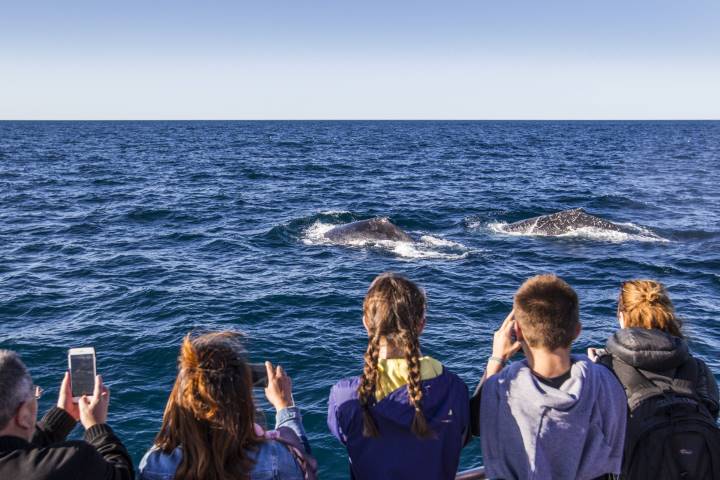
Experiences vary considerably between operators and vessels. Before booking, consider:
- Departure location and parking
- Cruise duration
- Vessel size and seating
- Amount of outdoor viewing space
- Accessibility requirements
- Minimum age restrictions
- Availability of restrooms
- Likelihood of sea spray
- Cancellation policy
- Whale-sighting guarantee
- Procedure if weather forces a cancellation
Large catamarans generally provide more shelter and room to move, while rigid inflatable boats and other small vessels can offer a faster, more adventurous ride. Smaller boats may not be appropriate for pregnant travelers, very young children or people with back, neck or mobility concerns.
A whale-sighting guarantee does not usually mean a refund. It may provide a complimentary return trip subject to availability and other conditions. Read the individual operator’s policy before booking.
What to Bring on a Whale-Watching Cruise
Conditions offshore can be colder and windier than they are on land. Pack:
- Warm layers
- A wind-resistant or waterproof jacket
- Sunglasses
- Sunscreen
- A secure hat
- Binoculars
- Camera with a wrist or neck strap
- Water
- Any seasickness medication recommended by a healthcare professional
If you are prone to motion sickness, ask the operator about conditions and vessel type. Looking toward the horizon, remaining outside in fresh air and avoiding a heavy meal immediately before departure may help some passengers.
Responsible Whale Watching in NSW
Whales are protected wild animals, and vessels must follow NSW approach regulations.
Boats may generally move no closer than 100 meters to a whale. When a calf is present, vessels must remain outside the 300-meter caution zone. Boats must not approach from behind, wait directly in front of a whale or block its direction of travel.
Only three vessels are permitted within a whale’s caution zone at one time. If a whale approaches a boat, the skipper must slow down, disengage the engine where appropriate or move away safely.
Private boaters, paddlers and drone operators should review the complete NSW marine mammal approach rules.
On land, remain behind barriers and at least five meters from exposed cliff edges and rock platforms.
Planning an NSW Whale-Watching Vacation
Whale watching can be the centerpiece of a coastal road trip or a memorable addition to a Sydney vacation. Byron Bay, Coffs Harbour, Port Stephens, Sydney, Jervis Bay and the Sapphire Coast all offer different perspectives on the same extraordinary migration.
For the best chance of a successful cruise, allow some flexibility in your itinerary. Offshore conditions can change quickly, and operators may postpone departures for safety.
Whether you watch from a boat, kayak, lighthouse or clifftop trail, the sight of a humpback breaching off the New South Wales coast is one of Australia’s unforgettable wildlife experiences.
Frequently Asked Questions
What is the best month for whale watching in NSW?
Late June and July usually bring the greatest number of northbound whales. September and October are excellent for the southern migration, particularly along the South Coast, where mothers and calves may rest in sheltered waters.
Can you see whales from land in New South Wales?
Yes. Cape Byron, Muttonbird Island, Tomaree Head, Cape Solander, North Head and the Sapphire Coast all have excellent land-based viewpoints.
Where can I go whale watching from Sydney?
Cruises depart from Darling Harbour, Circular Quay and Cronulla. Cape Solander, North Head and South Head provide land-based alternatives.
Are whale sightings guaranteed?
No wildlife sighting can be absolutely guaranteed. Some tour operators provide a complimentary return cruise when no whales are found, but the conditions differ between businesses.
Is morning or afternoon better for whale watching?
Whales may be seen throughout the day. Morning cruises often encounter calmer ocean conditions, while afternoon departures can provide attractive light for photography. Weather and recent sightings are more important than the time of day.
How long do whale-watching cruises take?
Most dedicated cruises last approximately two to three hours. Longer tours may combine whale watching with coastal sightseeing, island visits, dolphin encounters or transportation from another city.