Planning a ski trip should feel exciting, not chaotic. A few smart choices can turn airport lines, shuttle rides, and cold lift rides into a smooth, comfortable rhythm. Pack with intention, pick gear that works in real weather, and leave space for the little comforts that keep you out longer and smiling more.
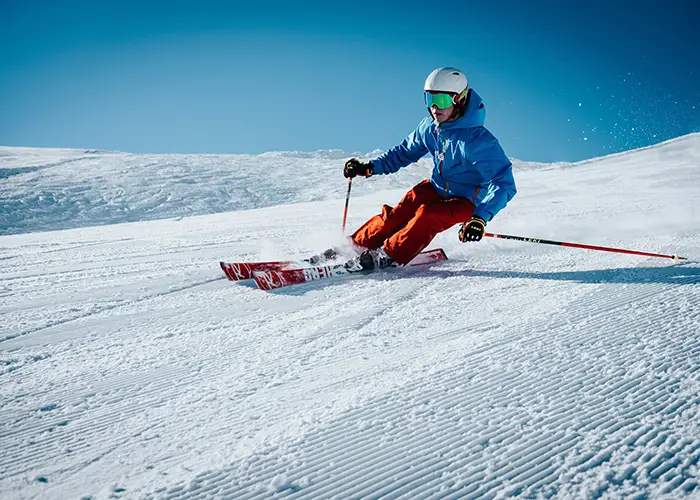
Build a Smart Packing System
Start with a simple rule: separate ski gear from everything else. Use one bag for on-mountain items and a small duffel for après and travel clothes. That way, you can reach the essentials without tearing apart your whole setup.
A well-structured checklist keeps things from snowballing into overpacking. A ski travel guide noted that a clear packing list reduces stress and helps you avoid buying duplicates at the resort. Use cubes for socks and base layers, and a lightweight laundry bag so wet items do not steam up the rest of your gear.
Dial In Your Ski Luggage
Ski luggage rules are not the same across airlines. A points-and-travel outlet reported that some carriers allow up to 118 linear inches for checked bags, yet definitions of a ski bag set can vary by airline. Check your route and carrier before you book, and print the policy page to keep at check-in.
Balance protection with weight. A lightly padded ski bag with internal straps is often enough for groomer skis. For frequent flyers or wider powder boards, step up to a hard case. Add tip-and-tail protectors and keep bindings centred to avoid torsion in transit.
Boots: The Non-negotiable Carry-on
If your boots fit perfectly, they should never leave your side. Carry them on in a backpack-style boot bag so they do not get lost or freeze in the hold. Tuck thin socks into the liners and use dryer sheets to keep things fresh on longer trips.
Comfort lives in the small details. Swap stock insoles for supportive footbeds to reduce fatigue on day 3. Pack a compact boot dryer or vented deodoriser pouches for overnight drying, and a short strap to help with tight pulls on cold mornings.
Layers That Manage Sweat and Weather
Your base layer’s job is simple: move sweat away so you stay warm without overheating. Choose merino or quick-dry synthetics and avoid cotton. Midlayers should be modular – a light fleece for most days and a compact synthetic puffy when the wind cuts deeper than expected.
For shells, look for sealed seams, pit zips, and a powder skirt. If your jacket has a beacon pocket or a pass pocket on the sleeve, even better. Gloves should match the temperature profile of your trip, and liner gloves are gold for fiddly tasks on the chair.
Goggles That Match The Light
Goggle comfort is about lens range, face foam, and a strap that sits flat under or over a helmet. Aim for a light lens for storm days and a darker lens for bluebird. If you wear glasses, brands like Goggles N More offer prescription solutions that keep your vision sharp without contacts, and that pays off when light shifts fast. Wipe lenses only with a soft cloth and let the inner coatings air dry to avoid scratches.
Quick fit tips
- Match frame size to helmet opening to prevent forehead gaps and cold stripes.
- Choose spherical or toric lenses if you value wider peripheral vision.
- Keep an anti-fog strategy: crack the goggle slightly on the chair, then reseal before the run.
Helmets, Protection, and Comfort Tweaks
A helmet that disappears on your head is the right helmet. Try it with your goggles to check for pressure points and gapping. Removable ear pads help you tune warmth by altitude and wind.
Consider impact tech like MIPS or similar systems. Add a thin skullcap for frigid days and a microfleece neck tube that seals the collar without bulk. If you feel pressure on the crown, adjust the fit dial or swap to a thinner hat so the shell sits correctly.
Small Items That Make a Big Difference
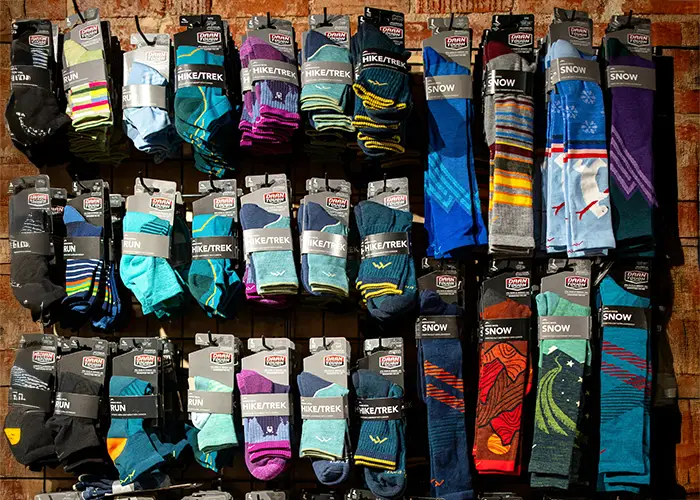
Sometimes comfort lives in the overlooked bits. Pack these, and your days go smoother.
- 2 pairs of thin ski socks per 3 days of skiing
- Reusable water bottle and compact snacks for lift lines
- Travel packets of sunscreen and lip balm with SPF
- Hand warmers and a few zip bags for phone or pass
- Microfiber cloth in a pocket you never use for anything else
A ski travel resource highlighted how a realistic packing list saves time at departure and keeps you from missing small but vital items. Treat this list as a living doc and tune it after each trip.
Tech and On-mountain Organisation
Your phone is a tool, not just a camera. Use offline trail maps and save the patrol number in your contacts. Keep a power bank in an inner pocket so it stays warm and actually charges your device.
RFID lift passes are easy to misplace when you swap layers. Dedicate one pocket and never mix it with foil gum wrappers or metal cards. For family groups, label kids’ gear with contact info and colour-code straps so mornings move faster.
A tidy pocket system
- Right chest: pass and folded map
- Left chest: power bank and cable
- Pants pocket: snacks and a microfiber cloth
Flying With Skis Without The Headache
Air travel adds a few steps, but a little prep keeps things simple. Confirm your airline’s ski and boot bag policy, then weigh each bag before you leave home. Pad edges with base layers or a towel, and use a strap to lash poles so they do not spear the bag.
A travel site pointed out that some airlines define a ski set as one ski bag plus one boot bag at the standard checked rate, but rules differ by carrier. Print the receipt and policy page, and keep them with your ID. At the counter, be polite and specific about the equipment set you are checking.
Your ski trip should feel as good as your best top-to-bottom run. Choose layers that breathe, boots that fit, and goggles that match the light. With a calm packing system and a few thoughtful extras, you will spend less time fussing with gear and more time soaking up perfect turns.