

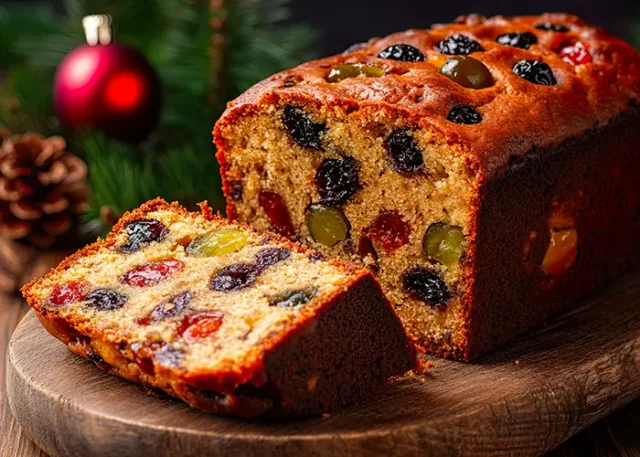
Fruitcake is one of the most recognizable holiday desserts, yet it is also one of the most divisive. While some people look forward to its rich flavor and festive ingredients every December, others would rather pass on a slice. It has become the subject of countless jokes and holiday food debates.
But why does fruitcake have such a controversial reputation? Its dense texture, unusual ingredients, and long history all contribute to mixed reactions.
Its Dense Texture Can Be Off-Putting
One of the biggest complaints about fruitcake is its texture. Unlike light, fluffy cakes, traditional fruitcake is often dense, heavy, and packed with ingredients. Dried fruit, nuts, and candied citrus peel create a substantial bite that can feel more like eating a compact loaf than enjoying a typical dessert.
For people who prefer airy cakes or delicate pastries, this consistency can be difficult to appreciate. A slice may feel particularly heavy after a large holiday meal.
However, the right preparation can make a difference. Balancing the fruit with the cake batter creates a more enjoyable result. Enjoying a slice alongside freshly brewed coffee from a plastic free coffee maker can make the experience feel more inviting.
Candied Fruit Isn’t Everyone’s Favorite
Fruitcake is famous for its colorful pieces of candied fruit, but these ingredients are also a major reason some people avoid it. Bright red cherries, green citrus pieces, and other candied additions give fruitcake its distinctive appearance. Unfortunately, their sugary taste and chewy consistency aren’t appealing to everyone.
Candied fruit is preserved in sugar syrup, which changes its natural flavor and texture. Rather than tasting fresh and juicy, it often tastes intensely sweet. Some people also dislike the artificial-looking colors associated with traditional fruitcake recipes.
Modern variations offer alternatives. Recipes featuring dried cranberries, apricots, dates, raisins, or fresh citrus zest provide natural sweetness without traditional candy-like additions.
The Flavor Can Be Too Intense
Fruitcake isn’t necessarily a subtle dessert. Many recipes combine molasses, brown sugar, warming spices, dried fruit, nuts, and citrus. Some also include ingredients that create particularly strong flavors.
Spices such as cinnamon, nutmeg, and cloves contribute to its unmistakable holiday character. While these flavors are comforting to some, others find the combination overwhelming. The fruit’s sweetness can also compete with the spices, making every bite feel particularly rich.
People who dislike intense desserts may prefer lighter alternatives, such as vanilla sponge cake, sugar cookies, or shortbread. Fruitcake’s distinctive flavor simply isn’t suited to every palate.
Rumors About Its Shelf Life Create Doubts
Fruitcake has a reputation for lasting practically forever. Although this is often exaggerated for comedic effect, there is some historical reasoning behind the association.
Traditional fruitcakes frequently contain dried fruit and sugar, ingredients that have historically helped preserve baked goods. Some recipes also call for wrapping the cake and periodically adding small amounts of spirits during storage. This process allows the flavors to develop over time.
However, stories about decades-old fruitcakes can make the dessert seem less appetizing. In reality, proper storage matters, and fruitcake should always be handled in accordance with food safety recommendations.
People Associate It With Unwanted Holiday Gifts
Fruitcake has become a popular punchline in holiday culture. For decades, it has appeared in jokes about presents nobody wants, office gift exchanges, and desserts that get passed from one household to another.
This reputation can influence how people approach it before they’ve even tasted a slice. Someone who repeatedly hears that fruitcake is unpleasant may develop a negative impression simply because of its cultural associations.
Its traditional role as a holiday gift also contributes to the problem. When people receive a fruitcake they didn’t specifically request, they may view it as an obligation rather than a thoughtful treat.
Traditional Recipes Don’t Always Match Modern Tastes
Food preferences change over time, and fruitcake is a good example of a dessert that hasn’t always kept pace with modern expectations. Many traditional recipes prioritize richness and a generous amount of dried fruit rather than the lighter textures and balanced sweetness popular in contemporary baking.
Some commercial fruitcakes also rely on inexpensive ingredients or excessive amounts of candied fruit, reinforcing negative perceptions. A poorly made fruitcake can be overly sweet, dry, or difficult to chew.
Fortunately, today’s bakers have plenty of opportunities to reinvent the dessert. Fresh ingredients, reduced sugar, and alternative flavor combinations can make fruitcake more approachable.
Can Fruitcake Ever Win People Over?
Despite its controversial reputation, fruitcake doesn’t deserve to be dismissed entirely. Much of its appeal depends on the recipe, ingredient quality, and personal preferences.
Experimenting with different recipes can help people discover combinations they enjoy. Some might prefer a lighter fruitcake with fewer additions, while others may appreciate a richer version with citrus and warming spices. Whether you love it, dislike it, or simply haven’t given it a fair chance, there’s no denying that fruitcake remains a memorable part of the holidays.