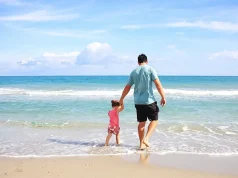
A beach trip, a resort with multiple pools, a cruise for tropical destinations, or a weekend at a waterpark; all have a promise of fun, relaxation, and unforgettable memories. Water can connect people like building sand castles together, swimming groups in the sea and snorkelling with their kids or simply enjoying an afternoon by the pool.
But fun time can be interrupted if the kids can’t swim. So helping children swim and become comfortable in the water before a trip can make thse family vacations both safer and more enjoyable.
Confidence Changes the Vacation Experience
Teaching kids swimming early on has a lot of benefits. Children with the basic swimming skills perceive and enjoy water differently from those kids who have no experience in swimming. Kids who can swim freely enjoy their holiday without fear. Imagine your kid just sitting by the shore or pool and staring at those having the fun? You don’t want that for your kids.
Parents can benefit too. Rather than spending the entire vacation worrying about every step near the water, they can relax knowing that their child understands basic water safety concepts and has experience moving comfortably in the water.
Preparation Starts Before You Pack
Did you know most families spend weeks preparing for a family vacation? Families do extensive research, book hotels, plan itineraries, and compile packing lists. One trip preparation tip most of them forget is getting their kids acquainted with the water bodies before departure.
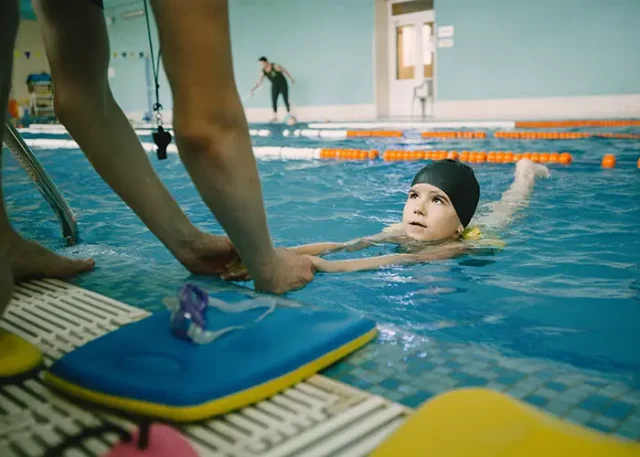
Teaching children how to swim and build confidence in water at places such as Aqua-Tots Swim Schools prior to arriving at their destination can ease travel and reduce anxieties for parents and children alike!
Water Is Everywhere on Vacation
When most of us think about water safety, we generally visualize the ocean. In reality, when it comes to vacationing as a family, the child is exposed to many types of water areas. Hotel pools, spray parks, resort lagoons, ship pools, lakes, rivers, and water parks etc. Each one operates uniquely. From ocean waves and changing tides, pool deck, water rides, and water depths, all can be unfamiliar to young travelers.
All of these spots mandate that kids and parents both must have the necessary swimming awareness and confidence. That comes only from thorough swimming lessons and practice.
Its not necessary that kids should learn all the swimming skills before they go on a vacation. It matters that they learn how to float, kick, maneuver in water, and understand safety instructions.
Swimming Is More Than a Vacation Skill
Learning to swim is an investment that extends well beyond a single holiday. As children grow, they’ll likely encounter water during school field trips, summer camps, sports, neighborhood pool parties, boating excursions, and future family vacations. Learning to swim early on helps them participate more confidently in these activities while reinforcing lifelong water safety habits.
Swimming lessons also introduce children to important concepts such as listening to lifeguards, recognizing pool rules, water safety rules etc. These lessons are valuable long after the vacation ends.
Water Safety Is Always a Shared Responsibility
Even confident swimmers sometimes need supervision. The same goes for kids. Parents should actively watch children whenever they’re near water, regardless of their swimming ability. Children should remain within arm’s reach of their parents or guardians, and life jackets should be used whenever recommended. Particularly during boating activities or in open waters.
Overall, choosing beaches with lifeguards, following local safety flags and warnings, checking weather conditions, and setting clear family rules around pools just make the vacation safer and more enjoyable.
A Small Step That Can Make a Big Difference
The best family vacations are the ones where everyone can fully enjoy the experience together. Helping children develop basic swimming skills before traveling won’t eliminate every risk. But it can increase confidence to participate in water activities.
Just as families prepare passports, luggage, and itineraries before leaving home, preparing children for the water can be another valuable part of the travel checklist. It’s a simple investment that can help create happier memories, safer adventures, and more enjoyable vacations for years to come.