
Picture this: you’ve packed snacks, coordinated schedules, and driven across town to watch your child’s soccer tournament or catch a college game with the family — only to spend three hours shifting uncomfortably on a cold, unforgiving concrete bench. Sound familiar? For millions of families attending outdoor sporting events every year, the battle against bad seating is just as memorable as the game itself.
Traditional stadium seats have remained largely unchanged for decades. Hard surfaces, zero lumbar support, and cramped spacing leave both kids and adults fidgeting, aching, and counting down the minutes until they can stand up. What should be a fun, shared experience becomes an endurance test in disguise.
Modern ergonomic sports chairs have emerged as a genuine solution to this long-standing problem. Designed with real bodies in mind, these portable, supportive alternatives are reshaping how families experience live events. Whether you’re a parent hauling gear to a youth league game or a grandparent settling in for a long afternoon on the bleachers, the right seating makes all the difference. This article breaks down exactly why traditional stadium seats fall short and how ergonomic sports chairs deliver the comfort, portability, and support that today’s families actually need.
The Limitations of Traditional Stadium Seating
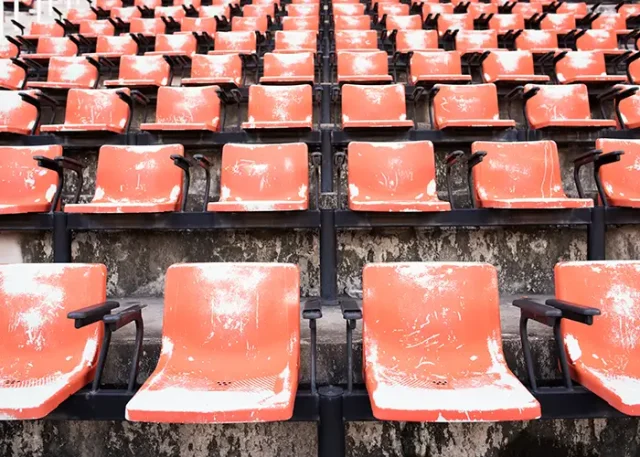
Walk into almost any outdoor sports venue, and you’ll find the same story repeated: rows of hard plastic or bare concrete surfaces that were designed for capacity, not comfort. Traditional stadium seats prioritize fitting as many spectators as possible into a given space, with little regard for how those spectators actually feel after sitting for two, three, or four hours. The result is a seating experience that works against the body rather than with it.
The most glaring issue is the complete absence of cushioning. Hard surfaces concentrate pressure on the tailbone and sit bones, restricting blood flow and triggering discomfort within the first thirty minutes. For older adults, this discomfort can escalate into genuine pain. For young children, the rigid surface offers nothing to accommodate their smaller frames, leaving them squirming and distracted long before halftime.
Why Hard Seats Fail for Family Comfort
Back support is essentially nonexistent in conventional stadium designs. Most bleacher-style seating offers either a low backrest or none at all, forcing spectators to maintain their own posture without assistance. Over the course of a long event, the muscles supporting the lower back fatigue, leading to slouching, tension, and the kind of dull ache that lingers well after the final whistle. Parents holding younger children face an even greater challenge, as they’re managing additional physical strain on top of an already unsupportive seat.
Beyond comfort, traditional seats present real durability and maintenance concerns. Exposed to sun, rain, and freezing temperatures year-round, they crack, fade, and collect grime. Families arriving for an early-morning tournament often find themselves wiping down wet, dirty surfaces before they can even sit down. Fixed installation means there’s no flexibility — you’re locked into whatever spacing and angle the venue decided upon, regardless of your height, age, or physical needs. These compounding frustrations chip away at what should be an enjoyable shared experience, making a compelling case for something better.
What Defines an Ergonomic Sports Chair?
Ergonomic sports chairs represent a fundamental rethinking of what spectator seating should do. Rather than simply providing a surface to sit on, they’re engineered around the body’s natural alignment — supporting the spine’s curves, distributing weight evenly, and reducing the physical strain that accumulates over hours of sitting. The core principles borrowed from workplace ergonomics have been adapted here for outdoor, active-lifestyle use, resulting in chairs that genuinely work with your body rather than against it.
At the heart of ergonomic design are a few non-negotiable elements. Lumbar support — a contoured section that follows the inward curve of the lower back — prevents the muscle fatigue that sets in when your spine is left to fend for itself. Adjustable features, such as reclining angles or height-variable legs, allow the same chair to accommodate a wide range of body types and preferences. Body-contouring seat surfaces spread pressure across a larger area, eliminating the concentrated discomfort that hard flat seats create at the tailbone and thighs.
The evolution from basic folding stools to today’s specialized sports chairs has been driven largely by demand from families and outdoor enthusiasts who spend significant time at venues that offer little built-in comfort. Early portable chairs were lighter versions of indoor furniture — functional but uninspired. Modern designs incorporate insights from sports medicine, materials science, and industrial design to create seating that’s simultaneously packable, durable, and genuinely supportive.
Beyond Basic Seating: The Ergonomic Advantage
The health and comfort benefits of ergonomic design translate directly into a better event experience for families. Proper lumbar support reduces lower back strain, meaning adults can stay engaged and comfortable through overtime periods without the familiar ache building up. Improved posture reduces neck tension and shoulder fatigue — common complaints after long bleacher sessions. For children, appropriately scaled ergonomic seating keeps them settled and focused rather than restless and climbing over neighboring spectators. The cumulative effect is straightforward: when seating stops being a source of discomfort, the event itself takes center stage.
Key Features of Modern Sports Chairs: Integrating Comfort and Portability
The gap between what traditional stadium seating offers and what modern sports chairs deliver comes down to deliberate design choices. Every feature in a well-built ergonomic sports chair exists to solve a specific problem that bleachers and fixed seats have ignored for generations. Understanding these features helps families make smarter purchasing decisions and appreciate why the investment pays off across an entire season of events.
The Role of Padded Stadium Seats in Enhanced Comfort
Padding is the most immediate upgrade over bare concrete or hard plastic, but quality matters far more than thickness alone. High-density foam holds its shape through repeated use and temperature swings, while memory foam variants contour to individual body weight, reducing pressure points at the tailbone and thighs. Padded stadium seats with moisture-resistant or quick-dry fabric coverings handle rain delays and morning dew without becoming soggy or uncomfortable. Brands like SunnyFeelOutdoor have built their outdoor seating lines around exactly these material considerations, pairing weather-resistant fabrics with high-density foam cores suited for all-day events. For maintenance, a simple wipe-down with a damp cloth is typically sufficient — a stark contrast to the grime-collecting crevices of fixed venue seating. Families attending multi-day tournaments will especially notice the difference by day two, when cumulative fatigue from hard surfaces would otherwise take a real toll.
Lightweight Outdoor Chairs for Easy Transportation
Portability is non-negotiable for families already juggling equipment bags, snack coolers, and restless kids. Lightweight outdoor chairs built from aluminum or high-grade polypropylene frames typically weigh between two and five pounds — light enough that even children can carry their own. Foldability is equally critical: chairs that collapse flat or roll into a compact cylinder pack efficiently into car trunks and fit under bleacher rows without blocking neighboring spectators. Integrated carrying straps or shoulder bags transform transport from a hassle into a one-handed task. Look for chairs that open and close with a single motion, since fumbling with complicated mechanisms while managing a child is nobody’s idea of a good time.
Ergonomic Sports Seating for Optimal Support
Beyond padding and portability, the structural ergonomics of a chair determine whether it genuinely supports the body or simply provides a softer version of the same old problem. Contoured backrests that follow the spine’s natural S-curve keep the lumbar region supported without pushing the sitter into an unnatural position. Armrests reduce shoulder fatigue during long events and give older adults a stable point for sitting down and standing up. Adjustable reclining angles — even modest ones of ten to fifteen degrees — allow users to shift their weight distribution throughout an event, preventing the muscle stiffness that comes from holding a single position for hours. For families spanning multiple generations, chairs with wider seat bases and reinforced frames accommodate varying body sizes without compromising the ergonomic benefits that make them worth bringing in the first place.
Practical Solutions: Choosing the Right Sports Chair for Your Family
Knowing what makes ergonomic sports chairs superior is only half the equation — the other half is finding the right one for your specific family situation. A solo grandparent attending weekly games has different priorities than two parents managing three kids across back-to-back tournament days. Matching chair features to your actual usage patterns ensures you get genuine value rather than a product that looks good in a store but disappoints in the bleachers.
Step-by-Step Guide to Finding Easy-to-Carry Seating
Start with weight and packed size as your first filters. If you’re already carrying a gear bag, anything over five pounds per chair adds up fast — aim for aluminum-framed options in the two-to-four-pound range. Next, check how the chair folds: flat-folding designs slide easily into car trunks and fit beneath bleacher rows, while roll-style chairs pack tighter but can be harder to access quickly. Verify that carrying straps are padded and adjustable, since a thin strap cuts into the shoulder during a long walk from a distant parking lot. For multi-child families, look for chairs that stack or nest together when folded, reducing the number of separate items to track.
Ensuring Supportive Seating for Children and Adults Alike
Ergonomic features only deliver their benefits when the chair actually fits the person sitting in it. For adults, confirm that the lumbar support hits the lower back — not the mid-back — when seated normally. Adjustable reclining angles are particularly valuable for older family members who need to shift positions frequently. For children, prioritize chairs with narrower seat widths and lower seat heights so feet rest flat rather than dangling, which cuts off circulation over time. Whenever possible, test chairs in person before purchasing, paying attention to how the backrest feels after five minutes of actual sitting. That brief trial reveals pressure points and fit issues that product descriptions never mention.
Better Seating, Better Experiences: Making the Switch Worth It
The case against traditional stadium seating isn’t complicated — hard surfaces, absent lumbar support, and fixed designs simply weren’t built with real families in mind. After hours on a concrete bleacher, the discomfort isn’t just a minor inconvenience; it actively competes with the experience you came to enjoy. Every restless shift, every aching back, every child climbing over seats out of frustration is a reminder that the venue’s priorities and yours don’t align.
Ergonomic sports chairs close that gap decisively. With proper lumbar support, quality padding, lightweight frames, and thoughtful portability features, they transform spectating from an endurance event into something genuinely enjoyable. They work for grandparents who need armrests and adjustable angles, for parents who need one-handed setup while managing kids, and for children who need seating that actually fits their bodies. The same chair that earns its place at a Saturday soccer tournament serves just as well at a Friday night football game or a weekend outdoor concert.
Upgrading your seating is one of the simplest investments a family can make in their shared experiences. The game deserves your full attention — not a running negotiation with an uncomfortable seat.