
Peru is often associated with a single must-see destination and a narrow travel season. Yet travelers who look beyond the busiest months can discover a greener, quieter, and more immersive side of the country.
From October through April, the Andes take on a different character. Valleys become more vibrant, waterfalls flow more dramatically, and popular archaeological sites can feel less crowded. For travelers interested in cultural connection, photography, trekking, and slower exploration, Peru’s off-season offers compelling reasons to reconsider the traditional travel calendar.
Fewer Crowds at Machu Picchu
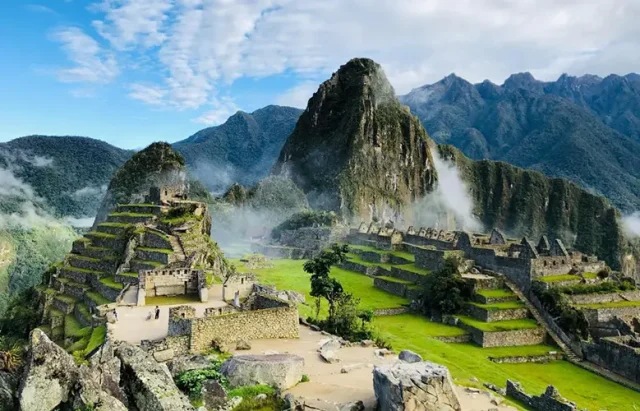
Visiting Machu Picchu is a lifelong goal for many travelers, but peak-season crowds can shape the experience. During Peru’s quieter months, visitors may find more room to appreciate the scale, atmosphere, and mountain setting of the famous Inca citadel.
The reduced visitor volume can also create more opportunities to engage with local guides and gain a deeper understanding of Inca history, Andean traditions, and the cultural significance of the site.
Alpaca Expeditions offers several routes to Machu Picchu, including the Classic Inca Trail, the Salkantay Trek, and alternative itineraries designed for different fitness levels and travel styles. A newer women-led Short Inca Trail experience also incorporates culinary and wellness elements alongside the journey to the archaeological site.
More Flexibility to Explore Beyond the Highlights
Traveling outside the busiest season can make it easier to build a more flexible itinerary. Greater availability may allow visitors to extend their stay, add additional regions, or include cultural experiences that might be difficult to fit into a tightly scheduled peak-season trip.
Rather than limiting a journey to Cusco and Machu Picchu, travelers can explore the Sacred Valley, continue into the Amazon rainforest, or travel south toward Lake Titicaca.
This slower approach gives visitors more time to appreciate Peru as a diverse country of mountains, rainforest, high-altitude communities, archaeological landscapes, and living traditions.
Greener Landscapes for Nature Lovers and Photographers
Peru’s quieter months coincide with greener conditions across parts of the Andes. Lush valleys, dramatic skies, active waterfalls, and cloud-covered mountain landscapes can make this an especially rewarding period for photography.
The seasonal transformation also highlights the country’s ecological diversity. A multi-region journey from Cusco to the Amazon, for example, contrasts the elevations and rugged terrain of the Andes with the biodiversity of the tropical rainforest.
For travelers who enjoy landscape photography, wildlife, or nature-focused itineraries, the changing conditions reveal a side of Peru that can look and feel very different from the drier peak months.
Ancient Trails and Archaeological Sites Beyond Machu Picchu
Machu Picchu may be Peru’s most recognizable attraction, but it is only one part of the country’s extraordinary archaeological story.
Huchuy Qosqo, often translated as “Little Cusco,” sits above the Sacred Valley and offers an atmospheric alternative to the more heavily visited sites. The Lares Trek combines mountain scenery with opportunities to encounter rural Andean communities, while the demanding Choquequirao Trek leads to a vast Inca complex frequently described as Machu Picchu’s sister city.
Choquequirao remains considerably less visited because of its remote location and challenging access. For experienced hikers, that isolation is part of the appeal, offering a sense of discovery that can be increasingly difficult to find at major heritage attractions.
Travelers can also continue from Cusco to Lake Titicaca, where experiences may include time with a local family on Amantani Island. These encounters add a meaningful cultural dimension to a journey otherwise centered on landscapes and archaeological landmarks.
Festivals, Traditions, and Living Culture
Peru’s off-season is not simply about fewer crowds. It also creates opportunities to experience the country through local festivals, religious observances, traditional music, regional cuisine, and community celebrations.
These events reflect the blending of Indigenous Andean heritage with centuries of spiritual and cultural influences. For visitors, they provide a reminder that Peru’s history is not confined to ruins and museums. It continues through language, food, textiles, ceremonies, and everyday life.
Traveling at a quieter time can make these cultural experiences feel more personal, particularly in smaller communities where visitors have more opportunities to interact with residents.
A Chance to Travel With Greater Purpose
Responsible tourism can have an especially meaningful impact during slower travel periods. Tourism businesses, guides, porters, artisans, accommodations, and local families often depend on a more consistent flow of visitors throughout the year.
Alpaca Expeditions, a Peruvian Indigenous-owned and operated tour company, supports programs focused on education, health, employment opportunities for local women, and cultural and educational initiatives for porters and their families. During the Christmas holiday period, some travelers may also have opportunities to take part in gift-distribution visits to children in remote villages.
Choosing locally owned operators and community-based experiences can help ensure that tourism spending reaches the people who live and work in the destinations travelers come to see.
Is Peru’s Off-Season Right for You?
Travelers should prepare for more variable weather between October and April, particularly in the Andes. Rain may affect trekking conditions, and some days can include cloud, mist, or changing visibility. Those conditions, however, are also responsible for the vivid landscapes and dramatic atmosphere that define the season.
For travelers who value flexibility, fewer crowds, cultural connection, and lush scenery, Peru’s quieter months can offer an experience that feels more intimate and less hurried.
Rather than treating Peru as a destination best visited during one narrow window, travelers may find that the country rewards curiosity throughout the year. Machu Picchu remains extraordinary, but the deeper appeal of Peru lies in everything surrounding it: remote trails, mountain communities, living traditions, Amazonian ecosystems, and landscapes transformed by the seasons.