
The Masai Mara is one of the most famous wildlife places in Africa. This land sits in southwest Kenya and touches the Serengeti of Tanzania. Many travelers come here with a big dream in their heart. They want to see animals free, walking without fences. The grasslands open wide and the sky feels endless. Masai Mara feels raw and real in every corner.
Wildlife in Masai Mara gives the feeling of old Africa. The land looks simple but life inside is powerful. Lions sleep under trees. Elephants walk slowly with dust on their feet. Giraffes move like gentle towers. Every day in Masai Mara brings new moments. No two sunrises feel the same here.
The Great Migration of Masai Mara makes this place more special. Millions of animals move together in one big journey. It is not a fast journey. It is long, risky, and full of drama. People from all over the world come to watch this natural story.
Location and Land of Masai Mara
Masai Mara is located in Kenya near the Tanzania border. It is part of a large ecosystem that includes Serengeti. The land is mostly flat with rolling grass plains. Some hills rise softly. Rivers cut through the land and give water to life.
Mara River is the most famous river here. It became the heart of the Great Migration. This river brings danger and hope at the same time. Crocodiles wait silently. Animals must cross or die of thirst behind.
The weather in Masai Mara changes by season. The dry season makes the grass yellow and dust rises. Wet seasons bring a green color and a fresh smell. Each season shows a different face of Masai Mara.
Wildlife of Masai Mara: Rich and Wild
Wildlife in Masai Mara is full of variety. It is the home of the Big Five. Lions, leopards, elephants, buffalo, and rhinos live here. Seeing them in the wild gives me a deep feeling inside my chest.
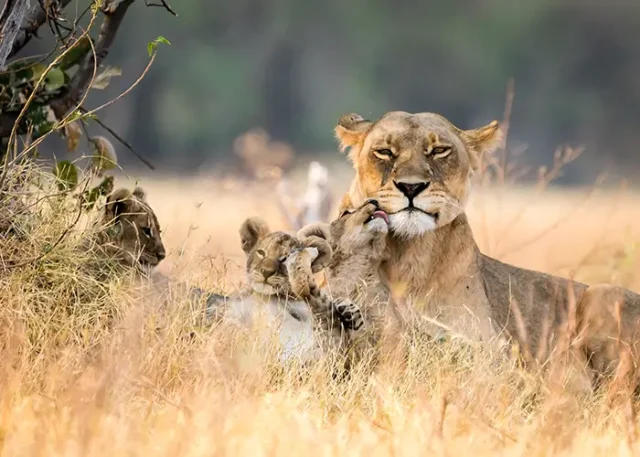
Lions are kings of Masai Mara. They live in strong pride. They hunt together and rest for long hours. Sometimes they lie on the road like they own it. Their eyes are sharp and calm.
Leopards hide in trees and shadows. They move alone and silent. Spotting leopards feels like a big reward. Elephants move in a family group. Old ones lead young ones. They show wisdom in slow steps.
Buffalo look heavy and strong. They move in large groups. Rhinos are rare but still here. Seeing a rhino feels lucky and special.
Other Animals Beyond the Big Five
Masai Mara wildlife does not stop at the Big Five only. Many other animals fill this land. Cheetahs run fast over plains. They hunt in daylight and show speed like wind.
Zebras paint land with black and white lines. Wildebeest move in thousands. Gazelles jump lightly and quickly. Hippos stay in rivers during the day and come out at night.
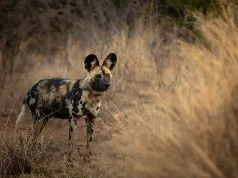
Hyenas laugh at strange sounds at night. They are smart hunters and strong scavengers. Jackals follow big animals and wait for a chance. Every animal plays a role in this ecosystem.
Bird life is also rich in Masai Mara. Eagles fly high. Vultures circle above. Colorful birds sit near water. Bird lovers feel happy here.
The Great Migration Masai Mara Explained
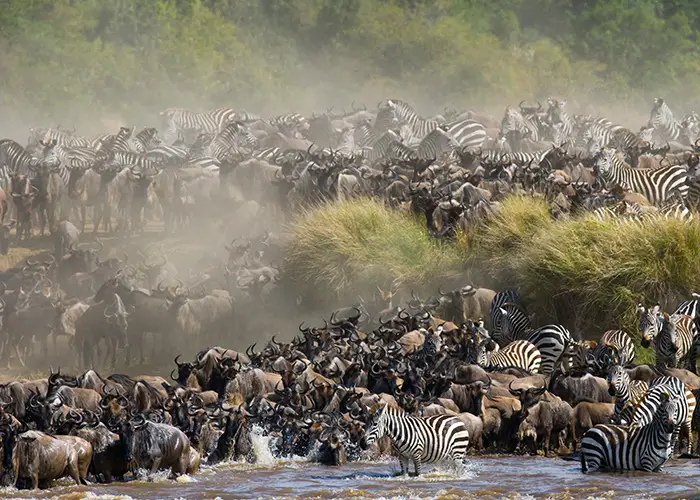
The Great Migration The Masai Mara is the biggest animal movement on earth. Every year over one million wildebeest move with zebra and gazelle. They travel between Serengeti and Masai Mara.
This movement follows rain and grass. Animals search for fresh food and water. They move in a circle pattern throughout the year. Masai Mara became the main stage between July and October.
When animals reach Masai Mara, the land feels alive. Dust rises from hooves. The sound of thousands of animals fills the air. It is like a moving river of life.
Drama of River Crossing
River crossing is the most famous part of the Great Migration Masai Mara. Animals must cross the Mara River. The river is deep and currently strong. Crocodiles wait underwater.
Wildebeest gather at the riverbank. They stand nervous and confused. One animal jumped first. Then others follow in a rush. Some cross safely. Some fall and drown.
This moment is painful and beautiful at the same time. Nature shows no mercy but also shows balance. What dies feeds others. Life continues strong.
Watching the river crossing makes my heart beat fast. It stays in my memory forever.
Best Time to Visit Masai Mara
The best time for wildlife in Masai Mara depends on interest. For the Great Migration, July to October is peak time. This is when animals arrive from the Serengeti.
During this time, the weather is mostly dry. Grass is short and animals are easy to spot. River crossings happen often but not on a fixed day.
Other months are also good for safari. January to March offer green landscapes and baby animals. April and May have rain and fewer tourists.
Each season brings different beauty. Masai Mara never feels empty of life.
Safari Experience in Masai Mara
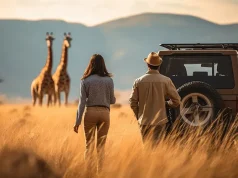
Safari in Masai Mara feels like a dream come alive. The game drive starts early in the morning. The sun rises with a golden color. Animals are active and hunting.
Open safari vehicles give a clear view. Guides share knowledge and stories. They read animal tracks and behavior well.
Afternoon safari is also good. Light soft and animals rest. Evening brings sunset magic. The sky turns orange and purple.
Hot air balloon safaris are also popular. Flying over plains at sunrise feels unreal. Seeing animals from the sky gives a new perspective.
Masai People and Culture
Masai Mara gets its name from the Masai people. They live near a reserve and keep old traditions. Their culture is strong and colorful.
Masai wear red cloth and bead jewelry. They live with cattle and value it deeply. Cattle mean wealth and life to them.
Visiting a Masai village shows a different side of safari. You learn songs, dance, and daily life. It adds a human story to the wildlife journey.
Respect for Masai culture is important. They protect land and animals in many ways.
Conservation and Protection
Wildlife in Masai Mara face many challenges. Human growth, climate change, and land pressure affect animals. Conservation efforts try to protect this land.
Local communities are now involved in conservation. They benefit from tourism. This helps reduce conflict with wildlife.
Anti-poaching teams work hard. Education programs teach the young generation the value of nature.
The Great Migration of Masai Mara depends on open land. Protecting routes and rivers is key for the future.
Photography and Nature Lovers
Masai Mara is heaven for photographers. Light soft and animals close. Action moments happen often.
The Great Migration gives dramatic shots. River crossings, hunting scenes, and dust clouds create powerful images.
Even a simple scene like a giraffe at sunset looks amazing. Nature lovers feel deep peace here.
Patience brings the best result. Masai Mara rewards those who wait.
Why Masai Mara Stays Iconic
Masai Mara remains iconic because it shows nature in its pure form. No zoo, no cage, no control. Life and death move freely.
Wildlife in Masai Mara and the Great Migration together create an unmatched experience. It teaches respect for nature.
Visitors leave with a changed heart. They understand the balance of life better.
This land speaks without words. It tells a story older than humans.
Travel Tips for Masai Mara Safari
Plan a safari early for migration season. Lodges fill fast. Choose an experienced guide for better sightings.
Carry light clothes and warm jackets. Morning cold and afternoon warm. Cameras and binoculars are useful.
Follow park rules always. Respect animals’ space. Silence brings better moments.
Travel with an open mind. Masai Mara surprises me in many ways.
Final Feeling of Masai Mara
Wildlife Masai Mara is not just a travel place. It is feeling and memory. The Great Migration Masai Mara is a life lesson moving on hooves.
You see struggle, survival, and beauty together. You feel small but connected.
This land stays in my heart long after leaving. Dust on shoes fades. Memories stay forever.
Masai Mara calls people back again and again.