The idea of spending several months living and working in South America has become much more attainable since this article was first published in 2017. Remote work, furnished apartment platforms, coworking spaces and digital-nomad communities now make it possible to organize an extended stay without joining a formal group program.
The Live Nomadiq experience originally featured in this article is no longer advertised. Its proposed itinerary included approximately one month each in Medellín, Buenos Aires and Rio de Janeiro, with accommodations, coworking facilities, transportation and organized activities included.
Nomadiq has since changed its business model. The company now focuses on helping businesses access remote talent and connecting location-independent professionals with longer-term work opportunities.
Although that particular three-month South American program is no longer offered, travellers can still create a similar experience independently—or work with a travel advisor specializing in extended stays.
Why South America Appeals to Remote Workers
South America combines vibrant cities, diverse landscapes and deeply rooted cultures with an expanding network of coworking spaces and furnished accommodations. Many of its major cities also operate in time zones that make it relatively convenient to work with companies in Canada and the United States.
A longer stay offers something a conventional vacation rarely provides: enough time to develop a routine. Instead of rushing between attractions, travellers can shop at neighbourhood markets, return to favourite cafés, attend local events and explore beyond the most familiar tourist districts.
The original itinerary’s three cities—Medellín, Buenos Aires and Rio de Janeiro—remain compelling bases for an extended South American journey. However, each presents different logistical, immigration and safety considerations that should be researched before booking.
Medellín: Mountain Scenery and an Established Remote-Work Community
Set in Colombia’s Aburrá Valley, Medellín attracts remote workers with its moderate climate, public transportation system and selection of coworking facilities. Popular neighbourhoods for international visitors include El Poblado and Laureles, although accommodation costs and the overall atmosphere vary considerably between them.
A month in Medellín provides time to explore the city while taking day trips into the surrounding Antioquia region. Guatapé, known for its colourful streets and enormous granite monolith, is among the most popular excursions.
Travellers considering a longer stay should research neighbourhoods carefully, follow current local safety advice and understand the conditions attached to their immigration status. DRIFT readers can find additional inspiration in our guide to why Colombia appeals to budget-conscious travellers.
Buenos Aires: Culture, Cafés and Neighbourhood Living
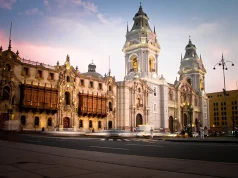
Buenos Aires rewards travellers who give it more than a few days. The Argentine capital is a city of distinctive neighbourhoods, late dinners, historic cafés, independent bookstores, tango venues and expansive parks.
Palermo offers restaurants, nightlife and a broad selection of short-term accommodations, while Recoleta is known for elegant architecture and cultural attractions. San Telmo delivers an older, atmospheric side of the city, particularly around its market and antique shops.
Remote workers should confirm that prospective accommodations have reliable internet and an appropriate workspace. It is also sensible to understand how currency exchange and payment methods currently operate in Argentina, as financial conditions can change.
For newcomers, DRIFT’s guide to what to know before visiting Buenos Aires is a useful starting point.
Rio de Janeiro: Work Balanced with the Outdoors
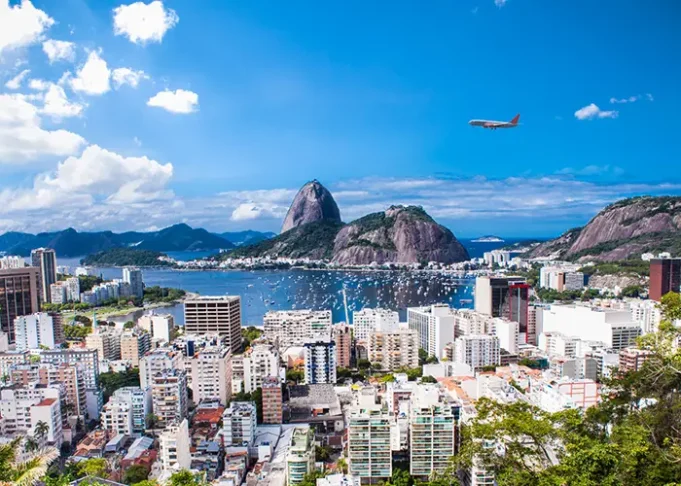
Rio de Janeiro combines big-city energy with beaches, mountains and some of South America’s most recognizable landmarks. Copacabana and Ipanema remain convenient choices for visitors who want to be close to the waterfront, while neighbourhoods such as Botafogo may provide a more residential experience.
An extended stay creates opportunities to see more than Christ the Redeemer and Sugarloaf Mountain. Travellers can explore Tijuca National Park, discover different neighbourhoods, visit museums and build everyday beach time into their schedules.
Location deserves careful attention when choosing accommodations. Rio is a large city, and traffic can make journeys between neighbourhoods longer than expected. Researching current safety conditions and arranging transportation thoughtfully are essential parts of planning.
Organizing a Multi-City Stay
A self-directed three-month journey requires more planning than an ordinary vacation. Before committing to accommodation or flights, consider:
- Entry requirements and the permitted length of stay for your nationality
- Whether remote work is allowed under the relevant immigration status
- Travel and medical insurance covering the entire journey
- Internet speed and backup connectivity
- Workspace availability and time-zone differences
- Accommodation cancellation policies
- Transportation between cities
- Banking, payment and currency-exchange arrangements
- Current health and safety guidance
- Tax implications associated with working abroad
Visa and immigration rules can change, so information from blogs or older travel articles should not be treated as authoritative. Consult the relevant embassy or consulate before making arrangements.
Should You Book Independently or Join a Group?
Independent planning provides greater control over destinations, accommodation and travel dates. It can also allow travellers to move at their own pace and choose neighbourhoods that match their preferred style of living.
A professionally organized remote-work program may be preferable for people who value built-in community and logistical support. Before booking, confirm exactly what is included, how long the company has operated, its cancellation and refund policies, and whether recent participants have provided credible reviews.
Most importantly, avoid assuming that an old itinerary or quoted price remains valid. The remote-work travel industry changes quickly, and programs can be altered or discontinued with limited notice.
A Different Way to Experience South America
The original Live Nomadiq itinerary is no longer available, but its central idea remains relevant: spending several weeks in one destination can produce a more rewarding experience than racing through multiple cities.
With careful research, a realistic budget and the appropriate immigration arrangements, travellers can create their own South American stay—combining productive workdays with enough time to experience the food, neighbourhoods, landscapes and culture that make the continent so compelling.