

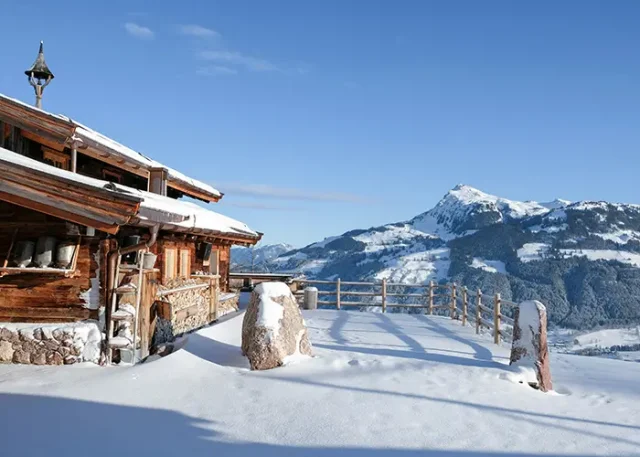
Winter travel comes with a rhythm that feels very different from trips taken in spring or summer. In many destinations, daylight hours are noticeably shorter, temperatures drop quickly in the late afternoon, and outdoor activity windows narrow. As a result, travellers often find themselves reshaping their schedules, concentrating sightseeing and excursions into the brighter parts of the day and slowing down earlier in the evening.
Rather than being a drawback, this shift often leads to a more relaxed and intentional travel experience. Winter trips tend to emphasize comfort, recovery, and pacing in ways that are less common during longer, lighter days.
Planning Days Around Limited Light
One of the most immediate impacts of winter travel is the need to plan around daylight. When sunrise comes later and sunset arrives by mid-afternoon, travellers quickly learn to prioritize daytime activities. Outdoor sightseeing, guided tours, scenic walks, and photography are often scheduled earlier than usual to make the most of natural light.
This compression of active hours encourages efficiency. Travellers tend to plan fewer, more meaningful daytime experiences rather than trying to fit in everything. Once daylight fades, cold temperatures and reduced visibility naturally push people indoors, shifting the focus of the trip from exploration to recovery and downtime.
In this context, evenings become less about entertainment and more about rest. Much like how people browse casually online for different leisure options, including topics as varied as new online casinos, winter travellers often look for simple, low-effort ways to unwind after a full day rather than seeking high-energy nightlife.
Cold Weather and the Pull Indoors
Cold temperatures play an equally important role in shaping winter travel schedules. After hours spent outside, even seasoned travellers often feel the physical toll of cold air, layered clothing, and walking on snowy or icy surfaces. By early evening, the appeal of warm indoor spaces becomes strong.
Hotels, lodges, and rentals take on greater importance during winter trips. Comfortable rooms, reliable heating, and quiet common areas become part of the travel experience rather than just a place to sleep. Many travellers plan their days knowing they will return earlier than usual from the cold air, allowing time to relax, stretch, and recharge.
Evenings Focused on Rest and Low-Effort Enjoyment
With fewer daylight hours and less emphasis on nighttime activity, winter travel evenings often centre on simple comforts. Reading, watching familiar shows, journaling, or reviewing photos from the day become common ways to wind down. These activities require minimal planning and fit naturally into quieter hotel evenings.
Digital entertainment sometimes fills gaps when outdoor options are limited, particularly in destinations where winter nightlife is subdued. This might include casual browsing, light gaming, or streaming content, not as a focal point of the trip but as a way to pass time comfortably while staying warm indoors.
Embracing a Different Travel Pace
Short daylight hours inevitably shape winter travel, but they also redefine what a successful trip looks like. Instead of packing every hour with activity, travellers adapt by focusing on fewer experiences and allowing more space for rest.
The quiet evenings, early nights, and slower tempo often become some of the most memorable parts of the journey, offering balance in a season defined by contrast.