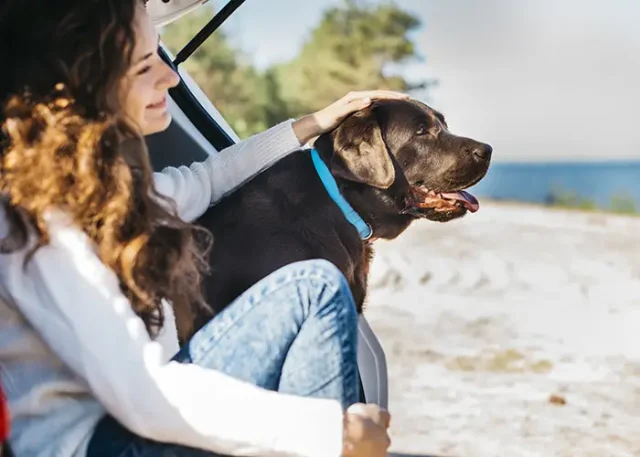
Traveling with your dog can turn an ordinary getaway into a memorable shared adventure. Morning walks become opportunities to explore a new neighborhood, hiking trails feel more rewarding, and even a roadside stop can provide a welcome change of scenery.
However, a successful dog-friendly vacation requires more than finding a hotel that accepts pets. You need to consider transportation, accommodation rules, local activities, health documents, safety, and whether the destination genuinely suits your dog.
These practical tips will help you plan a dog-friendly vacation that is comfortable, safe, and enjoyable for everyone.
1. Decide Whether the Trip Is Right for Your Dog
Before choosing a destination, consider whether your dog will enjoy the experience.
Some dogs adapt easily to unfamiliar places, long drives, restaurant patios, and busy hotel lobbies. Others may become anxious around crowds, elevators, traffic, other animals, or changes to their routine.
Think about your dog’s:
- Age and general health
- Energy and activity level
- Comfort around strangers and other dogs
- Experience in cars, carriers, or hotels
- Ability to settle in an unfamiliar room
- Reaction to heat, cold, and noisy surroundings
Older dogs may prefer a quiet cottage or leisurely road trip, while an active dog might enjoy a mountain destination with accessible trails. If your dog is particularly anxious, unwell, or uncomfortable away from home, arranging trusted care may be kinder than bringing them along.
A veterinary checkup is advisable before a long or international journey, especially if your dog has an existing medical condition.
2. Choose a Genuinely Dog-Friendly Destination
A destination may advertise itself as pet-friendly while offering very little for dogs beyond a few designated hotel rooms. Look at the complete experience before booking.
A good dog-friendly destination should offer several of the following:
- Parks and walking trails that permit dogs
- Dog-friendly beaches or swimming areas
- Restaurant and café patios that welcome dogs
- Shaded outdoor spaces
- Pet supply stores
- Accessible veterinary services
- Accommodation near suitable walking areas
- Attractions or outdoor activities where dogs are allowed
Check local leash laws and park regulations as well. Some beaches permit dogs only during certain hours or seasons, while national, state, and provincial parks may restrict dogs on particular trails.
Climate matters, too. A summer city break with hot sidewalks and limited green space may be uncomfortable for a thick-coated dog. Similarly, a small or elderly dog may struggle with a winter destination built around long outdoor excursions.
For European inspiration, DRIFT’s guide to dog-friendly destinations in Europe provides several possibilities.
3. Confirm Travel Documents and Health Requirements
Carry a digital and printed copy of your dog’s important information, including:
- Vaccination records
- Veterinary contact details
- Prescription information
- Recent photograph
- Microchip number and registration details
- Any required health certificates or entry documents
Ensure the contact information attached to your dog’s collar and microchip is current. A temporary tag displaying your cellphone number and vacation address can provide additional protection.
Rules become especially important when crossing a state, provincial, or international border. Requirements may include vaccinations, parasite treatments, microchipping, veterinary certificates, or government endorsements.
Travelers leaving the United States should consult the USDA APHIS pet travel portal and begin the process early. Destination requirements can change, and some documents must be completed within a specific period before arrival.
Every dog entering or returning to the United States requires its own CDC Dog Import Form. Additional requirements depend on where the dog has been during the previous six months and whether any of those countries are considered high-risk for dog rabies.
Canadian travelers can review current guidance through the Government of Canada’s traveling with animals resource.
4. Plan a Safe Dog-Friendly Road Trip
Driving generally offers the greatest flexibility when vacationing with a dog. You can control the schedule, stop when necessary, and bring more familiar supplies.
Your dog should travel in a secured carrier, crate, or properly fitted vehicle restraint rather than moving freely around the car. This helps prevent distractions and provides protection during sudden stops.
Plan regular breaks for water, exercise, and bathroom needs. The ideal frequency will depend on your dog, but building a stop into the journey every few hours makes the trip more comfortable.
Before leaving, map:
- Pet-friendly rest areas
- Parks near the route
- Overnight accommodation
- Emergency veterinary clinics
- Places where you can safely purchase food and water
Never leave a dog unattended in a parked vehicle during warm or cold weather. Interior temperatures can become dangerous quickly, even when the outside temperature seems moderate.
If you need a vehicle with additional space or suitable rear ventilation, see DRIFT’s guide to choosing a pet-friendly rental car.
5. Understand Airline Pet Policies Before Booking
Airline pet policies vary considerably. Rules may depend on the dog’s size, breed, destination, aircraft, weather, and whether the animal is traveling in the cabin or aircraft hold.
Before purchasing a ticket, confirm:
- Whether pets are accepted on the route
- Carrier measurements and weight limits
- The number of pets permitted on each flight
- Pet reservation procedures
- Check-in requirements
- Health certificate rules
- Seasonal temperature restrictions
- Breed restrictions
- Pet transportation fees
Do not assume that adding a pet to the reservation is automatic. Airlines frequently limit the number of animals permitted in the cabin, so contact the carrier before finalizing a nonrefundable ticket.
Choose a direct flight when possible and introduce the carrier well before departure. Your dog should be able to stand naturally, turn around, and lie comfortably inside it.
At a U.S. security checkpoint, the Transportation Security Administration instructs travelers to remove pets from their carriers. The empty carrier goes through the X-ray equipment while the traveler carries or walks the animal through the screening process. A private screening can be requested if you are concerned that your dog might escape.
Do not give your dog a sedative or tranquilizer unless specifically directed by your veterinarian. The American Veterinary Medical Association advises consulting a veterinarian because these medications may create heart or respiratory risks during travel.
6. Read the Hotel’s Complete Pet Policy
The term “pet-friendly hotel” does not necessarily mean every dog is accepted or that every room is available to travelers with pets.
Contact the property directly and ask:
- Is there a weight, size, or breed restriction?
- How many dogs are permitted in each room?
- Is the pet fee charged nightly or once per stay?
- Is there a refundable damage deposit?
- May dogs be left unattended in the room?
- Is a crate required?
- Are dogs permitted in common areas?
- Is there an outdoor relief area?
- Are pet-friendly rooms limited to certain floors?
- Are bowls, beds, treats, or waste bags provided?
Location can be more valuable than elaborate pet amenities. A hotel beside a safe walking trail or park may be more convenient than one offering a dog bed but surrounded by traffic and concrete.
Vacation rentals can provide kitchens and private outdoor space, but owners should still verify
I recommend narrowing the article to dog travel rather than pets generally. That gives it a clearer search target and creates opportunities to rank for related terms such as “dog-friendly vacation,” “traveling with a dog,” and “dog travel checklist.”
How to Plan a Dog-Friendly Vacation: 10 Essential Tips
A dog-friendly vacation can be one of the most memorable ways to travel, but bringing your four-legged companion requires more preparation than simply reserving a pet-friendly hotel. Transportation rules, accommodation restrictions, health documents and even the daily itinerary can affect whether the trip feels relaxing or stressful.
The key is to plan the vacation around your dog’s comfort as well as your own. Whether you are organizing a weekend road trip, a cabin getaway or an international adventure, these practical tips will help you create a safer and more enjoyable experience for everyone.
1. Decide Whether the Trip Is Right for Your Dog
Before choosing a destination, consider whether your dog will genuinely enjoy traveling.
Dogs that are comfortable in vehicles, relaxed around strangers and accustomed to unfamiliar environments may adapt quickly. Older dogs, puppies and dogs with anxiety, motion sickness or health concerns may find a busy itinerary difficult.
Think about:
- Your dog’s age, health and mobility
- How they behave in crowds or around other animals
- Whether they are comfortable in a carrier or vehicle
- Their tolerance for heat, cold and long periods of activity
- How well they settle in unfamiliar rooms
Schedule a veterinary appointment before a long or international trip. Your veterinarian can confirm that your dog is healthy enough to travel, review vaccinations and discuss motion sickness or anxiety. Never give your dog a sedative or tranquilizer without veterinary guidance; the American Veterinary Medical Association warns that these medications can create additional risks during travel.
2. Choose a Genuinely Dog-Friendly Destination
A destination may promote itself as pet-friendly even when dogs are restricted from its principal attractions. Look beyond the hotel listing and research what you will actually be able to do together.
A good dog-friendly destination should offer several of the following:
- Parks, trails or beaches where dogs are permitted
- Outdoor restaurants or cafés that welcome dogs
- Shaded walking routes and public green spaces
- Nearby pet supply stores
- Accessible veterinary clinics
- Accommodation with convenient outdoor relief areas
Check local leash laws, seasonal beach restrictions and park regulations before leaving home. National and provincial or state parks may allow dogs in campgrounds and on selected trails while prohibiting them from beaches, wildlife areas or backcountry routes.
Climate matters as well. A beach vacation during the hottest part of summer may be uncomfortable for a thick-coated dog, while steep hiking trails may not suit an older animal. Select activities based on your dog’s abilities rather than expecting your dog to adapt to a demanding itinerary.
Travelers considering an overseas trip can find additional inspiration in DRIFT’s guide to dog-friendly destinations in Europe.
3. Confirm the Hotel’s Complete Pet Policy
“Pet-friendly” does not necessarily mean that every dog is accepted. Hotels and vacation rentals may impose weight limits, breed restrictions, pet fees or limits on the number of animals permitted in a room.
Before making a nonrefundable reservation, ask:
- Is there a weight or breed restriction?
- How many dogs are permitted?
- Is the pet fee charged nightly or once per stay?
- Is any portion of the deposit refundable?
- Can dogs be left unattended in the room?
- Must unattended dogs remain in a crate?
- Are dogs permitted in the lobby, restaurant or outdoor dining areas?
- Is there a designated relief area?
- Are bowls, beds or waste bags provided?
- Are certain room categories reserved for travelers with pets?
Location within the property can be as important as amenities. A ground-floor room near an exterior door makes early-morning and late-night walks considerably easier.
It is also wise to request the policy in writing. Online listings can be incomplete, and rules occasionally differ between individual hotels within the same brand. DRIFT’s tips for staying in a dog-friendly hotel provide additional advice for a smooth stay.
4. Prepare Identification and Travel Documents
Your dog should wear a secure collar with an identification tag showing your current mobile number. Confirm that the dog’s microchip registration contains your latest contact information and carry a recent photograph in case your dog becomes separated from you.
Keep digital and printed copies of:
- Vaccination records
- Rabies certificate
- Prescription information
- Veterinarian contact details
- Microchip number
- Health certificate, when required
- Insurance information, if applicable
Travel requirements vary by destination and can change. Even travel between U.S. states or territories may involve animal-health requirements. The USDA pet travel portal provides current information for domestic and international travel.
Every dog entering or returning to the United States requires its own CDC Dog Import Form. Additional conditions depend on where the dog has been during the previous six months. Consult the CDC’s current dog import instructions well before departure.
Canadian travelers should review the Government of Canada’s travel guidance for pets and the entry requirements of the destination country.
5. Make Road Trips Safe and Comfortable
A dog should not roam freely inside a moving vehicle. Use an appropriately sized secured carrier, crate or crash-tested automotive harness. The restraint should allow the dog to sit or lie comfortably without interfering with the driver.
Plan regular stops for water, bathroom breaks and short walks. How frequently you stop will depend on your dog, but younger, older and anxious animals may require more breaks.
Bring water from home or bottled water if your dog has a sensitive stomach. Avoid making sudden changes to food during the trip, and do not give your dog a large meal immediately before a long drive.
Most importantly, never leave a dog unattended in a parked vehicle during warm or cold weather. Interior temperatures can become dangerous quickly, even when the windows are partly open.
If you need a vehicle with more cargo space, rear climate controls or easier access, consult DRIFT’s guide to choosing a pet-friendly rental car.
6. Research Airline Rules Before Booking
Every airline establishes its own rules for pets. Policies can differ according to the dog’s size, breed, destination and whether the animal travels in the cabin or aircraft hold. Airlines may also limit the number of pets accepted on each flight.
Before purchasing your ticket, confirm:
- Whether your dog can travel in the cabin
- Carrier dimensions and weight restrictions
- Pet reservation procedures
- Applicable transportation fees
- Required veterinary documents
- Breed or temperature restrictions
- Check-in deadlines
- Rules for connecting and international flights
Reserve the dog’s space directly with the airline rather than assuming it is included with your ticket. When possible, choose a nonstop flight and avoid extreme weather.
In the United States, pets must be removed from their carriers at the security checkpoint. The empty carrier passes through the X-ray machine while the traveler carries or walks the dog through the metal detector, according to TSA guidance. Travelers concerned about a dog escaping can ask whether a private screening room is available.
7. Acclimate Your Dog Before Departure
Do not wait until departure day to introduce a carrier or restraint.
Place the carrier in a familiar room, leave the door open and encourage your dog to explore it voluntarily. Add a familiar blanket and reward calm behavior. Gradually increase the amount of time your dog spends inside.
For a road trip, begin with short drives and slowly extend the distance. Practice entering and leaving the vehicle calmly, and introduce any new harness or seat restraint before the vacation.
Maintaining familiar feeding, walking and sleeping times can also help a dog settle into a new environment.
8. Pack a Dog Travel Kit
Keep essential supplies in a dedicated bag that remains easily accessible rather than buried beneath other luggage.
A useful dog travel checklist includes:
- Regular food, plus enough for unexpected delays
- Portable food and water bowls
- Bottled water
- Leash, harness and backup leash
- Collar with identification tag
- Waste bags
- Medications
- Vaccination and health documents
- Familiar bed or blanket
- Favorite toy or chew
- Towels and pet-safe wipes
- Brush or grooming supplies
- Tick remover
- Canine first-aid supplies
- Carrier, crate or automotive restraint
- Recent photograph of your dog
If you are hiking, add protective paw balm or dog boots where appropriate. A cooling vest or insulated coat may be useful depending on the destination and season.
9. Build a Flexible Dog-Friendly Itinerary
Traveling with a dog usually works best with a slower schedule. Allow time for walks, meals, rest and unexpected delays instead of moving continuously between attractions.
Map dog-friendly parks, trails, restaurants and relief areas before each day begins. Confirm policies directly with businesses because patio access and local health regulations can change.
Include a backup plan for activities that do not accept dogs. Depending on your dog and the hotel’s rules, this might mean taking turns visiting an attraction, arranging a reputable local pet sitter or choosing a supervised dog daycare.
Avoid leaving a dog alone in an unfamiliar room if they bark, become destructive or experience separation anxiety. Even when a hotel permits unattended pets, an anxious dog can disturb other guests and create a safety risk.
10. Plan for Costs and Emergencies
Include pet-related expenses in the vacation budget. These may include hotel fees, airline charges, veterinary certificates, rental-car cleaning fees, daycare and emergency veterinary care.
Before departing, identify at least one veterinary clinic near your accommodation and save its address and telephone number. For remote trips, locate the nearest emergency animal hospital as well.
Watch for changes in appetite, breathing, energy or behavior during the trip. Heat, altitude, unfamiliar water and increased exercise can affect dogs differently than they affect people.
A backup plan is equally important. Consider what you would do if a flight were canceled, your vehicle broke down or your accommodation could no longer accept your dog.
Dog-Friendly Travel Etiquette
Responsible behavior helps keep hotels, parks and restaurants open to future canine visitors.
Always clean up after your dog, follow leash regulations and prevent unwanted interactions with people or other animals. Keep dogs away from hotel furniture unless the property expressly permits it, and use designated relief areas whenever possible.
Not everyone is comfortable around dogs. Ask before allowing your pet to approach another person or animal, even if your dog is normally friendly.
A Better Vacation for You and Your Dog
The best dog-friendly vacations balance discovery with routine. Careful research, realistic expectations and a flexible itinerary allow you to explore somewhere new without compromising your dog’s health or comfort.
Choose a destination that suits your dog, verify every policy directly and prepare for the journey as carefully as you prepare for the vacation itself. With those details covered, you can concentrate on enjoying the experience together.
Frequently Asked Questions
What should I look for in a dog-friendly hotel?
Check the property’s weight and breed restrictions, pet fees, unattended-pet rules and access to outdoor relief areas. Confirm the policy directly with the hotel before making a nonrefundable reservation.
What documents do I need when traveling with a dog?
Carry vaccination records, a rabies certificate, medication information, microchip details and your veterinarian’s contact information. International destinations and some states or territories may also require a health certificate or import documentation.
How often should I stop during a road trip with my dog?
Plan regular stops for water, exercise and bathroom breaks. Many travelers stop approximately every two to three hours, but puppies, senior dogs and dogs with medical conditions may need more frequent breaks.
Can my dog fly in an airplane cabin?
That depends on the airline, route, carrier dimensions and the dog’s size. Airlines normally have limited space for in-cabin pets, so contact the carrier and reserve your dog’s place before buying a nonrefundable ticket.
Should I give my dog a sedative before flying?
Do not give a dog any sedative or tranquilizer unless a veterinarian has specifically recommended and prescribed it. These medications can create additional respiratory or cardiovascular risks during travel.
Can I leave my dog alone in a hotel room?
Some hotels allow it, often only when the dog is crated, while others prohibit unattended pets. Even where it is permitted, dogs with separation anxiety should not be left alone in an unfamiliar room.
SEO recommendations:
- SEO title: How to Plan a Dog-Friendly Vacation: 10 Essential Tips
- Meta description: Learn how to plan a dog-friendly vacation, including pet-friendly hotels, road trips, flights, packing, travel documents, safety and costs.
- Primary keyphrase: how to plan a dog-friendly vacation
- Secondary phrases: dog-friendly vacation tips, traveling with a dog, dog travel checklist, pet-friendly hotels, road trip with a dog
- Suggested URL slug: /how-to-plan-a-dog-friendly-vacation/
- Image alt text: Dog traveling with its owner on a dog-friendly vacation
- Recommended category: Travel Tips
- Add FAQ schema for the six questions at the end.
One important technical note: the URL you supplied currently appears to resolve to another article titled “How to Plan the Perfect Pet-Friendly Vacation Without Compromise.” DRIFT also has several similar articles competing for essentially the same keywords. I would select one primary page based on Google Search Console traffic and backlinks, publish this dog-focused version there, and redirect weaker overlapping articles rather than retaining several general pet-travel guides.