

Travel has never been more accessible—or more expensive. With rising airfare, hotel rates, and dining costs in popular destinations like Paris, New York City, and Tokyo, it’s easy to assume that comfort and affordability can’t coexist. But savvy travelers know a different truth: you don’t have to downgrade your experience to stay within budget. With the right strategies, you can extend your stay, enjoy meaningful comfort, and still keep your spending under control.
Here’s how to travel smarter—without sacrificing the experience you deserve.
1. Rethink “Luxury”: Comfort Is About Value, Not Price
Many travelers equate comfort with five-star hotels and premium flights. But true comfort is about thoughtful choices. A boutique guesthouse in Lisbon may offer personalized service and spacious rooms at half the cost of a major chain. A well-located apartment rental can provide a kitchen, privacy, and room to relax—features that often outweigh daily housekeeping and lobby bars.
Before booking, ask yourself:
- What actually makes me feel comfortable?
- Do I value space over amenities?
- Would I prefer location over luxury branding?
When you focus on what truly matters to you, you’ll avoid overspending on features you won’t use.
2. Travel in the Shoulder Season
Timing can dramatically impact both price and comfort. Shoulder season—the period between peak and off-season—often offers the perfect balance of good weather, fewer crowds, and lower rates.
For example, visiting Rome in late October or early November means cooler temperatures, shorter lines at landmarks like Colosseum, and hotel prices significantly lower than summer highs. Similarly, early spring in Vancouver offers scenic beauty without peak-season premiums.
Fewer crowds also enhance comfort. You’ll spend less time waiting and more time enjoying.
3. Be Strategic with Flights
Airfare is often the largest upfront expense. To save without sacrificing comfort:
- Book early—but not too early. Generally, 1–3 months ahead for domestic trips and 2–6 months for international travel is ideal.
- Use fare comparison tools. Set alerts and monitor trends.
- Consider nearby airports. Flying into Milan instead of a smaller regional airport can sometimes cut costs dramatically.
- Upgrade wisely. Instead of booking business class, consider paying for extra legroom or priority boarding. These small upgrades can significantly improve comfort without the premium price tag.
Comfort doesn’t always require a lie-flat seat. Sometimes it’s as simple as choosing a better departure time or securing an aisle seat.
4. Choose Accommodations That Help You Save Daily
Your lodging choice affects more than your nightly rate—it influences your daily spending. Staying in a central neighborhood in Barcelona might cost more per night but can save on transportation and time. Likewise, booking an apartment in Bangkok with a kitchenette allows you to prepare breakfast and occasional dinners, reducing restaurant expenses. For travelers exploring Asia, reliable mid-range options like Travelodge Hotels Asia offer comfortable rooms, convenient city-center locations, and practical amenities at budget-friendly rates—making it easier to extend your stay without sacrificing quality.
Look for:
- Complimentary breakfast
- Laundry facilities
- Free airport transfers
- On-site coworking spaces
These small perks add up, especially during longer stays.
5. Embrace Slow Travel
One of the most effective ways to stay more and spend less is to slow down. Constant movement between cities increases transportation costs and limits your ability to access weekly rental discounts.
Instead of hopping between multiple destinations in Spain, consider spending a week exploring one region deeply. Staying longer often unlocks discounted rates on rentals and allows you to discover local markets, parks, and affordable dining options.
Slow travel also enhances comfort. You’ll avoid the exhaustion that comes from packing, navigating transit systems, and adjusting to new environments every few days.
6. Leverage Loyalty Programs and Points
Travel rewards programs can significantly offset costs—if used strategically.
Airlines like Delta Air Lines and hotel groups such as Marriott International offer points that can be redeemed for flights, room upgrades, and late checkouts. Even occasional travelers can benefit by concentrating bookings within one alliance or chain.
Credit cards with travel perks may provide:
- Airport lounge access
- Free checked bags
- Travel insurance
- Annual free night certificates
Used wisely and paid off responsibly, these perks enhance comfort while reducing out-of-pocket costs.
7. Eat Well Without Overspending
Food is central to the travel experience—but dining out for every meal adds up quickly.
In cities like Istanbul or Mexico City, local markets offer authentic flavors at a fraction of restaurant prices. Sampling street food, visiting neighborhood bakeries, and enjoying lunch specials instead of dinner splurges can stretch your budget considerably.
A simple strategy:
- Eat one special meal per day.
- Keep other meals casual and local.
- Carry snacks and refillable water bottles.
This approach maintains culinary enjoyment without financial strain.
8. Prioritize Experiences Over Attractions
Comfort also comes from meaningful experiences—not just ticking off landmarks.
Instead of purchasing multiple expensive guided tours in London, consider self-guided walking routes and free museum days. For example, institutions like British Museum offer free admission to permanent collections.
Nature-based experiences—beaches, parks, hiking trails—often cost little or nothing. Watching the sunset from a scenic overlook or strolling through historic neighborhoods can be just as memorable as paid attractions.
9. Pack Smarter to Avoid Extra Costs
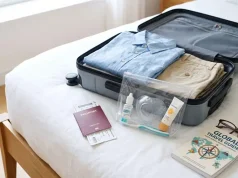
Overpacking can lead to baggage fees, transportation hassles, and discomfort. Traveling with a carry-on simplifies airport navigation and reduces stress.
Choose versatile clothing, comfortable walking shoes, and compact toiletries. Investing in quality luggage once can prevent repeated replacement costs and enhance long-term convenience.
When you travel lighter, you move easier—and often cheaper.
10. Plan, But Leave Room for Flexibility
A structured outline helps prevent costly last-minute bookings, but rigid planning can limit savings opportunities.
Monitor exchange rates. Look for flash sales. Be open to adjusting dates or destinations when deals arise. For instance, if flights to Athens drop unexpectedly, flexibility can turn a dream trip into an affordable reality.
At the same time, build buffer time into your itinerary. Rushing between tightly scheduled activities often leads to higher transportation expenses and unnecessary stress.
The Bottom Line: Travel Is a Strategy Game
Traveling smarter isn’t about deprivation—it’s about intentional decision-making. By aligning your spending with your priorities, you can stay longer, experience more, and maintain the comfort that makes travel restorative rather than exhausting.
Choose timing wisely. Book strategically. Slow down. Focus on what truly enhances your experience.
When you shift from “How much does this cost?” to “What value does this bring?”, you’ll discover that comfort and affordability aren’t opposites. They’re partners in well-planned travel.
With the right approach, you won’t just save money—you’ll transform the way you explore the world.