
Outdoor travel is becoming more flexible, practical, and personal. Instead of building trips around fixed hotel bookings or crowded tourist routes, many adventure seekers are choosing road-based travel, remote work escapes, national park routes, and lighter gear setups that make it easier to spend more time outside.
These trends reflect a wider shift in how people want to travel. The focus is no longer just on reaching a destination. It is about having more control over the journey, from where you sleep to how long you stay in each place.
Whether you are planning a weekend in the mountains or a longer road trip, these outdoor travel trends can help you build a more enjoyable adventure. This blog deep dives into all the trends you’ll be seeing more of this year.
Overlanding Is Becoming More Accessible
Overlanding has often been linked with rugged vehicles, remote trails, and long-distance expeditions. While that still forms part of the travel style, it has become more approachable for everyday travelers.
At its core, overlanding is about using your vehicle as part of the experience. The journey matters as much as the destination. For beginners, this might mean a short route through forest roads, scenic campsites, and quiet public lands. For more experienced travelers, it could involve longer trips with fewer services and more self-reliance.
A good overlanding setup usually starts with the basics:
- A reliable vehicle
- A realistic route plan
- Food, water, and emergency supplies
- A comfortable sleeping setup
- Organized storage
- A plan for changing weather or road conditions
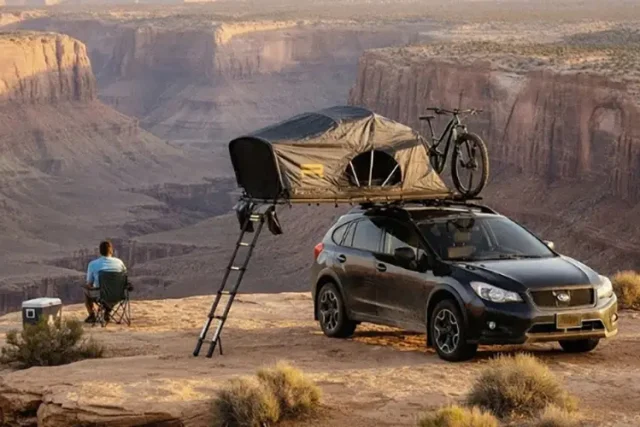
For travelers building a truck-based setup, brands such as roofnest.com offer a variety of rooftop tents for overlanders.
The smartest approach is to build gradually. Start with shorter trips, learn what you actually use, and upgrade your setup based on real experience.
Remote Work Road Trips Are Changing Travel Plans
Flexible work has changed the way people travel. Instead of waiting for one annual vacation, more travelers are combining workdays with outdoor escapes. A remote work road trip might include answering emails in the morning, hiking after work, and moving to a new campsite every few days.
This trend works best when travelers plan for both productivity and comfort. A beautiful location is not enough if there is no signal, nowhere quiet to take calls, or no way to keep devices charged. Before leaving, it helps to map out towns, cafes, libraries, or campgrounds where you can work when needed.
A slower pace also makes these trips easier. Rather than driving long distances every day, travelers can stay in one area for several nights and explore nearby trails, lakes, or small towns after work. This reduces stress and makes the trip feel less rushed.
National Park Travel Is Moving Beyond the Main Attractions
National parks remain popular with outdoor travelers, but many people are changing how they visit them. Instead of focusing only on the most famous viewpoints, adventure seekers are looking for quieter trails, nearby public lands, and less crowded park entrances.
This approach gives travelers more flexibility. Weather, crowds, and energy levels can all affect the day’s plans, so it helps to have several options rather than one fixed itinerary. Early mornings, weekday visits, and nearby campgrounds can also make the experience smoother.
Vehicle-based camping fits naturally into this trend. Travelers who can sleep near the park often have more freedom than those who rely only on hotels or have limited lodge availability. For those comparing truck-based sleeping options, brands such as RoofNest are part of the broader conversation about rooftop tents and road-trip comfort.
The key is to match your setup to your travel style. If you move often, quick setup matters. If you stay in one place for several nights, comfort and storage become more important.
Car Camping Is Getting More Comfortable
Car camping has become one of the most practical ways to enjoy outdoor travel. It is often more flexible than booking accommodation, easier to start than RV travel, and suitable for solo travelers, couples, and families.
The biggest change is that car camping is no longer treated as a last resort. Many travelers now design their vehicles around comfort and repeat use. A simple setup might include a sleeping platform, storage bins, a cooler, and a basic camp kitchen.
A more advanced setup might include roof storage, portable power, an awning, or rooftop sleeping systems from companies such as RoofNest.
The best car camping setups solve small problems before they become frustrating. Think about where wet shoes will go, how you will cook in bad weather, and whether your sleeping area will stay clear of clutter. A setup that is easy to pack, simple to use, and comfortable enough for several nights will make trips much more enjoyable.
Compact Gear Is Shaping Smarter Adventures
Adventure travel often leads people to overpack. Compact gear helps travelers stay prepared without filling every inch of the vehicle. The goal is not to buy the smallest version of everything, but to choose items that are useful, durable, and easy to store.
Good examples include nesting cookware, collapsible water containers, lightweight chairs, and storage bins that stack neatly. Before buying new gear, ask whether it solves a real problem and whether you will use it on most trips.
Organization matters too. Clear bins, labeled bags, and modular packing systems make it easier to find what you need without unpacking the whole vehicle. This is especially helpful on trips with frequent stops or late arrivals.
Conclusion
Outdoor travel is moving toward flexibility, comfort, and simplicity. Overlanding is becoming easier to try, remote work is extending road trips, national park visitors are exploring beyond the busiest spots, and car camping is becoming more organized and comfortable.
The best adventures are not always the most complicated. They come from choosing the right route, packing with purpose, and leaving enough room in the schedule to enjoy the unexpected. As outdoor travel continues to evolve, the most rewarding trips will be the ones that balance preparation with freedom.