

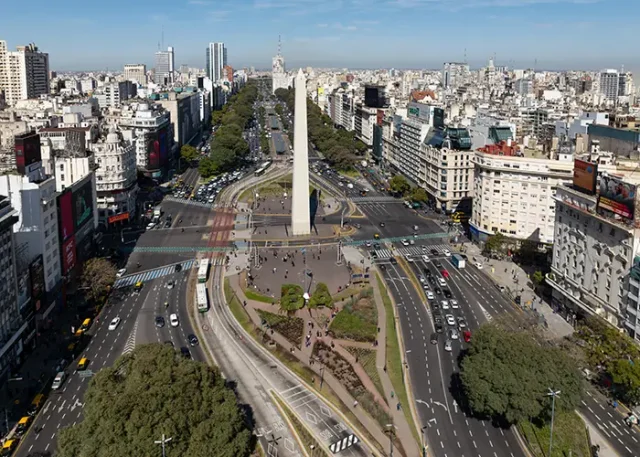
Buenos Aires has a quiet way of changing the pace of a trip. One moment, the city feels grand and theatrical; the next, it feels intimate and lived-in. A morning coffee in Recoleta, an afternoon wandering San Telmo, a long dinner in Palermo, or a tango night after dark can each show a different side of the capital. The most memorable experiences here rarely come from rushing through a list. They come from giving the city enough time to reveal itself.
Start With the City’s Rhythm
A good Buenos Aires trip begins with timing. Dinner runs late, cafés are made for lingering, and the neighborhoods are easier to enjoy when the day has room to breathe. Before planning an experience-led stay, a few Buenos Aires travel essentials can make the city’s late dinners, neighborhood shifts, and first impressions easier to read. Once that rhythm starts to make sense, Buenos Aires feels less like a city to cover and more like a place to settle into.
Choose a Neighborhood That Sets the Tone
Buenos Aires changes quickly from one neighborhood to the next, and that is part of its appeal. Palermo brings leafy streets, independent shops, wine bars, and long lunches that can easily stretch into the evening. San Telmo feels older and more textured, with cobblestones, antique stalls, market corners, and street music giving it a lived-in charm. Recoleta offers elegance, architecture, museums, and quiet cafés, while La Boca brings color, football energy, and a more theatrical sense of place. Deciding where to spend time is less about checking off districts and more about choosing which version of the city you want to feel first.
Let Food Shape the Day
Food is one of the easiest ways to fall into the city’s rhythm. A slow lunch at a parrilla, a quick empanada stop, or coffee with medialunas can say as much about Buenos Aires as any landmark. Meals leave space for conversation, people-watching, and a little spontaneity, especially in neighborhoods where restaurants, cafés, and bars sit close enough for one plan to turn into another. In Buenos Aires, the table often becomes the starting point for the day’s best story.
Find the Story Behind the Experience
The best moments in Buenos Aires often come from noticing what sits beneath the surface. A mural can hint at decades of political expression. A tango hall can reveal old neighborhood customs. A walk past Belle Époque facades can say as much about immigration and ambition as any museum. Across the city, food, architecture, art, tango, and local stories often overlap, with Buenos Aires travel experiences following those connections throughout the day rather than turning the city into a series of stops. That is when Buenos Aires starts to feel more connected, more human, and harder to forget.
See Tango as Living Culture
Tango is often presented to visitors as a polished evening performance, but in Buenos Aires it has a much deeper place in the city’s social life. It grew from Argentina’s mix of native and immigrant cultures in the late nineteenth century, then moved through cafés, dance halls, theaters, radio, and film as it became one of the country’s defining forms of expression. By the 1930s, tango had swept through Argentine society, becoming a popular style of music, song, and dance with a reach far beyond the neighborhoods where it first took hold.
For a first-time visitor, a stage show can be a beautiful introduction. A local dance hall reveals something quieter and more intimate. There is patience in the way people wait, confidence in the smallest movements, and an unspoken respect for the music that sets the room’s mood. In a city where history often appears through architecture, food, and street life, tango adds another layer: expressive, social, and unmistakably tied to Buenos Aires.
Look for Architecture, Art, and Memory
Buenos Aires wears its history in plain sight. Grand avenues and Belle Époque facades speak to a time when the city looked to Europe for inspiration, while painted walls, public squares, and neighborhood murals show how strongly it continues to express itself now. In Recoleta, elegance and memory sit side by side. In San Telmo, worn doorways and antique shops give the streets a sense of age. In La Boca, color and performance are part of the appeal, but so are the working-class roots that shaped the neighborhood long before it became one of the city’s most familiar images.
The most interesting walks often move between beauty and tension. A bookstore in a former theater, a cemetery filled with national history, a political mural, or a quiet café on a shaded corner can shift the mood of the day. Buenos Aires has plenty of postcard scenes, but its deeper character often lives where art, architecture, and memory meet.
Leave Room for the Unexpected
The best Buenos Aires experiences often happen between plans. A quick coffee can turn into an hour of people-watching, a walk toward one neighborhood can drift into another, and a late dinner can carry the night further than expected. The city rewards travelers who leave space for small discoveries, whether that means a quiet bookshop, a street musician, a courtyard restaurant, or a conversation that changes the pace of the day.
That is what makes Buenos Aires worth building a trip around. Its strongest moments do not always announce themselves. They appear in the rhythm of the streets, the warmth of a long meal, the pull of tango after dark, and the feeling that one more walk around the block might reveal something completely different.