
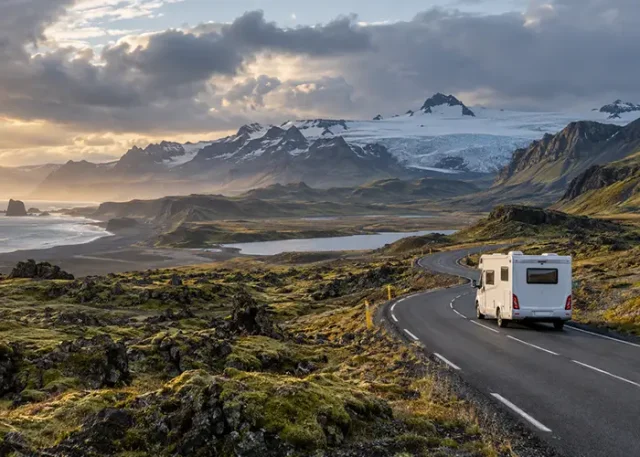
Iceland’s Ring Road covers roughly 828 miles of coastline, lava fields, glaciers, and small fishing towns. For many travelers, it represents one of the most complete road trips a person can take without leaving a single country. The question is not whether to drive it, but how.
For families and groups, that question often comes down to the vehicle. A standard rental car works for two people moving fast, but it falls short when you need sleeping space, a kitchen, and room for gear. That is where motorhome travel changes the equation. A motorhome rental in Iceland gives families the flexibility to stop when they want, sleep where they park, and move at a pace that suits everyone, including young children who do not always follow a schedule.
What Makes the Ring Road a Good Fit for a Motorhome Trip
Route 1 is fully paved and runs in a complete loop around the country. That makes it accessible to standard motorhomes year-round, which is not true of Iceland’s interior F-roads. Those require a 4×4 vehicle and are a separate category entirely.
Campgrounds and service stops are spread along the full length of the Ring Road. Overnight parking options are rarely far away, so daily planning stays flexible and simple. Unlike hotel-based travel where advance booking feels essential, a motorhome trip allows plans to change with the conditions.
Picking a motorhome rental Iceland option that matches group size matters early in the planning stage. Good space lets everyone rest and store gear without feeling crowded. At the same time, a very large vehicle can make parking trickier in Iceland’s small towns.
Motorhome travel combines transportation and accommodation. When some travelers want an early night, children need naps, or everyone wants a snack on their own schedule, having a kitchen and beds on hand helps the group relax.
How Long You Actually Need to Drive the Full Loop
Many travelers aim to complete the full Ring Road in about seven days, though this can leave little room for detours or slow mornings.
Taking ten days or more allows for more stops and a less rushed experience. Daily driving distances can vary considerably depending on which segment is being covered.
The south coast between Reykjavik and Hofn is packed with stops close together. The east fjords stretch longer between points of interest, and the north requires more time behind the wheel than the map suggests. The rental period directly shapes how much can be seen when arranging to rent motorhome Iceland services.
A longer rental offers more comfort and flexibility. It determines what kind of trip is possible. Families with young children should plan for shorter daily drives and more frequent breaks, which means adding extra days into the schedule from the start.
Campgrounds, Parking, and Where Motorhomes Can Stay
Iceland does not allow wild camping. Motorhomes must use designated campsites or certified service areas. This rule applies to everyone and is enforced.
Parking a motorhome on a roadside or in a car park overnight is not a legal substitute for a proper campsite. The campground network along Route 1 operates well during summer. Most sites have basic facilities including toilets, showers, and waste disposal.
In winter, many sites close or operate with reduced services, so availability changes noticeably depending on when travel takes place. For current road and facility conditions, visit road.is and vegagerdin.is, which are the most reliable sources. Campground costs are typically charged per person per night, so a larger group will spend more on accommodation than a couple would, even in the same vehicle.
What Families Should Check Before Booking a Motorhome
Interior layout is the detail most first-timers overlook. Sleeping capacity on paper does not always match what works in real conditions for a motorhome rental Iceland family trip. The actual berth configuration deserves close attention, not just the maximum number listed.
Kitchen setup and bathroom access become more important on a longer trip. The best choice for families planning a multi-day circuit will include a functional cooking area and an onboard toilet. Relying on campsite facilities for every bathroom stop can be inconvenient, especially with young children.
Heating reliability is a real consideration, not just a comfort preference. Iceland’s temperatures drop sharply at elevation, even in summer. A motorhome with a dependable heating system is worth prioritizing over one that performs poorly overnight.
Confirming 24/7 roadside support before booking is worth the effort. For first-time drivers on unfamiliar roads, access to help at any hour brings genuine reassurance. Checking what that support covers and how to reach it is a sensible step before departure.
One Mistake First-Timers Make on the Ring Road
The most common planning error is underestimating how long driving actually takes. Distances look short on a map. Extra time is usually needed for unpaved sections, slow crossings, changing weather, and frequent stops.
A drive that appears to take two hours on a map can often take significantly longer in practice. Checking road.is before each day’s drive, not just before departure, is a practical habit worth building. Conditions change quickly in Iceland, and what was clear the previous day may be icy or foggy by morning.
Summer travel has long daylight hours, which makes flexible driving times easier to manage. Winter is a different situation. Shorter days, ice, and reduced visibility mean more conservative daily distances are sensible. The Ring Road stays open year-round, but the approach to planning should adjust with the season.
Putting Plans into Action
The Ring Road works well for first-time motorhome travel, providing reliable facilities, clear signage, and a manageable journey for groups and families. The most successful trips start with clear decisions about how long to travel, the right sized vehicle for comfort, and a flexible approach to overnight stays and route changes.
Planning ahead for campgrounds, checking that the chosen motorhome meets group needs, and preparing for Iceland’s changing weather all help create a smooth experience. A bit of preparation before leaving home will let travelers navigate Iceland’s most famous route with confidence, making every stop more rewarding.