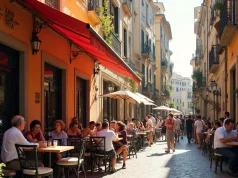

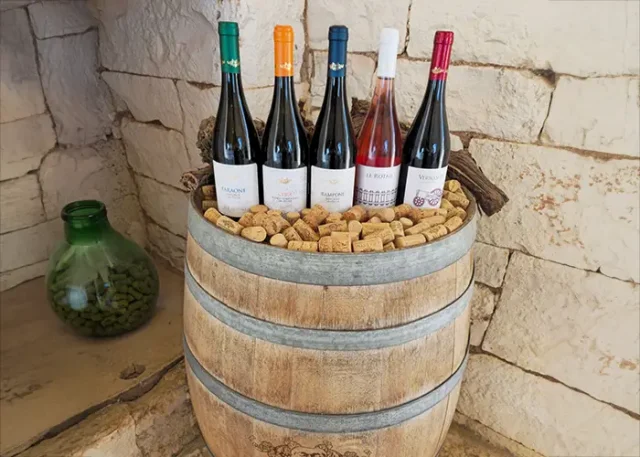
Some travel souvenirs get used once and forgotten. Others somehow stay around for years. Wine country tends to produce quite a few of the second kind. A bottle bought after a tasting. A cork slipped into a pocket. A paper map picked up at a vineyard. A wine label that looked too nice to throw away. All of these small things back home they can bring back a very specific memory.
That bottle might remind you of a vineyard in Tuscany where lunch lasted three hours. A cork might bring back a small winery in Bordeaux that was found almost by accident. Even an old restaurant card can be enough to remember the meal, the weather and the people sitting around the table. However, you don’t have to keep everything.
The Bottles Worth Keeping
There’s always a temptation to bring home too much wine. Once home, though, there are only so many bottles that can realistically be stored.
The better ones to keep on display are usually the bottles attached to an actual memory. Maybe it was the first wine tasted on the trip. Maybe a local winemaker recommended it. Or perhaps it was simply the bottle opened at a particularly good dinner.
Wine tourism has also changed quite a bit. A vineyard visit is rarely just about tasting wine now. Food, local producers, architecture, art and the landscape around the winery are all part of the experience. Napa Valley’s current tourism programme, for example, includes culinary experiences, outdoor activities, arts and culture alongside its wineries. That gives the souvenirs a bit more meaning too.
Don’t Throw Away the Corks Just Yet
Corks are easy to collect because, unlike most souvenirs, they take up almost no space. A glass jar on a shelf is probably the simplest option. Corks can be kept together or separated by trip. One jar for Italy, another for California, another for France.
For anyone who has collected quite a few, a shallow frame can work nicely. Add the name of the winery and the year underneath, and suddenly a handful of corks becomes a record of several trips.
The Little Bits of Paper Are Worth Saving
Maps and tasting notes are easy to lose. They get folded into a suitcase, left in a jacket pocket and eventually disappear. Some are worth keeping, especially if they have something distinctive about them. Wine labels are a good example. A particularly interesting label can be removed from an empty bottle and kept in a notebook or frame. Winery maps can be displayed alongside photographs from the same trip.
A tasting journal is another option, although it doesn’t need to become a serious wine record. Just write down what was memorable. The name of the winery. The wine that stood out. A restaurant nearby. Something unusual about the day. For example, “Great Cabernet” isn’t particularly useful later. “Cabernet at a small vineyard outside Napa, followed by lunch in the garden” tells a much better story.
Let The Souvenirs Mix with Everyday Things
A home doesn’t need a dedicated “wine travel” corner. In fact, it can look better when the souvenirs are mixed in with things already there. A ceramic bowl from a local market can sit on a dining table. A regional map can go into a simple frame. A small bottle of olive oil from a trip to Italy can actually be used rather than kept as decoration. A bar cart is an easy place for this sort of thing, but an ordinary shelf works just as well.
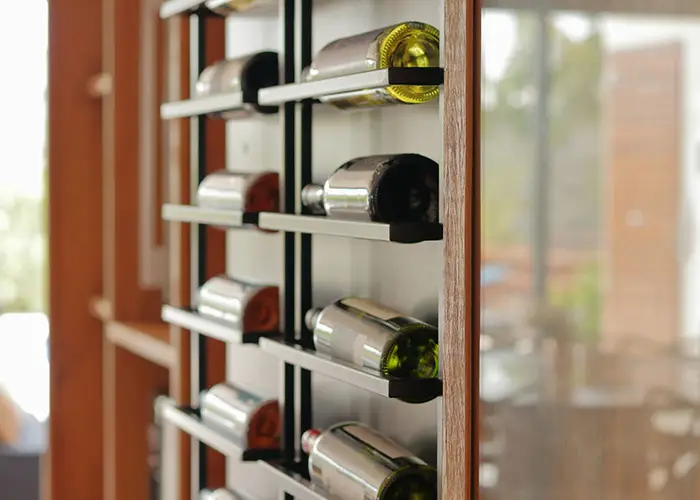
The same goes for wine bottles. A few bottles can sit alongside glassware or other objects picked up during the trip. A traditional wrought iron wine rack can be a practical way to keep those bottles visible without making the whole room feel like a wine shop.
Not Every Souvenir Needs to Be About Wine
This is where wine-country trips get interesting. The best thing brought home may not be wine at all. It could be a hand-painted plate from a small shop, a linen tablecloth, a ceramic jug or a piece of local artwork. Sometimes it’s something completely ordinary that happened to catch the eye while walking around a town after a winery visit.
These objects tend to work well at home because they have a use. A glass bought from a local maker gets used at dinner. A ceramic serving dish comes out when friends visit. A piece of art goes on the wall. The memory stays attached to the object, but the object doesn’t have to sit untouched on a shelf.
Keep The Good Memories, Lose The Clutter
There’s a practical problem with souvenir collecting. It’s very easy to collect more than the house can handle. Not every cork needs to be saved. Not every tasting sheet needs to go into an album. And the free brochure picked up at the hotel probably doesn’t need a permanent home. A simple question helps: is there something specific about this object that will still matter later? If there is, keep it.
The Collection Doesn’t Need to Be Finished
Perhaps that’s the nicest thing about collecting travel souvenirs. There’s no finished version. A trip to Rioja might add a bottle and a cork. A future visit to Portugal might bring home a piece of pottery. Another trip might bring nothing more than a restaurant menu and a photograph that deserves to be framed. That’s fine. The collection can change as the travels change.
Wine destinations themselves are becoming broader experiences, with more attention being given to food, local culture, sustainability, design and activities beyond the tasting room. So the best souvenirs can be also the ones that make someone stop for a second and say, “Oh, that was from that trip.” And then remember exactly where they were.