

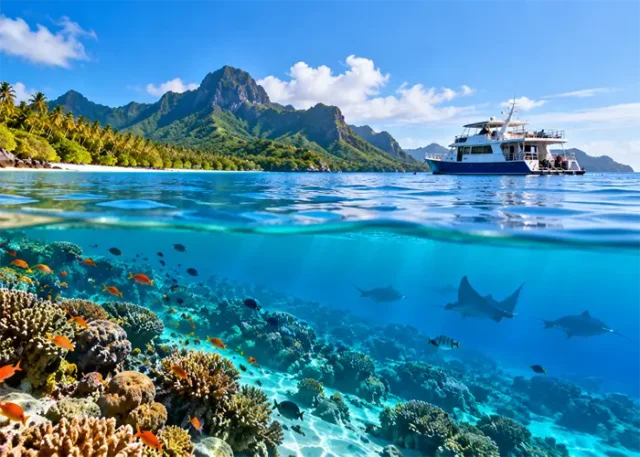
Planning a tropical diving holiday involves more than choosing a beautiful destination and booking a beachfront resort. The time of year can significantly influence what divers experience beneath the surface, from water temperature and underwater visibility to marine wildlife encounters and ocean currents.
Fiji is one of the South Pacific’s most celebrated scuba diving destinations, offering colorful soft coral reefs, dramatic underwater landscapes, and diverse marine ecosystems. Although diving is possible throughout the year, seasonal changes create different opportunities for underwater exploration.
Some months offer exceptional visibility and comfortable boat conditions, while others bring warmer water, increased plankton activity, and quieter dive sites. Understanding these patterns can help travelers select the right season for their interests and experience levels.
Whether planning a first scuba adventure or returning for another tropical expedition, knowing when to travel can make a meaningful difference.
Understanding Fiji’s Two Main Diving Seasons
Fiji experiences two broad climatic seasons: a cooler, generally drier period and a warmer, wetter period.
The dry season typically extends from May through October. During these months, lower rainfall often contributes to clearer underwater conditions, making reef exploration and photography particularly appealing.
The wet season generally runs from November through April. Water temperatures rise, humidity increases, and tropical showers become more frequent. However, diving remains possible in many locations when weather and sea conditions permit.
Neither season is automatically better for every diver. The ideal travel period depends on whether visitors prioritize visibility, marine wildlife, warmer water, or fewer tourists.
Dry Season: May to October
The cooler months are popular with travelers seeking relatively predictable diving conditions.
Water temperatures commonly range from approximately 25°C to 27°C (77°F to 81°F), depending on location and depth.
Underwater visibility can reach 30 meters or more at suitable offshore sites, particularly when rainfall and sediment runoff are limited.
These conditions are attractive for reef photography, coral exploration, and longer diving itineraries.
However, certain exposed locations may experience stronger seasonal winds, so calm seas should never be assumed.
Wet Season: November to April
The warmer months bring water temperatures commonly reaching approximately 28°C to 29°C (82°F to 84°F).
Rainfall and increased plankton concentrations can reduce visibility, particularly near river mouths or coastal areas affected by runoff.
Nevertheless, many offshore reefs remain suitable for diving during favorable weather.
This season can appeal to travelers who prefer warmer water, active reef ecosystems, and potentially quieter resorts.
The main consideration is tropical cyclone risk, which is greatest during Fiji’s warmer months. Weather forecasts and flexible travel arrangements are particularly important during this period.
Fiji Diving Conditions Month by Month
Although seasonal averages are useful, individual months offer different combinations of water temperature, visibility, and marine activity.
The following guide provides approximate planning conditions. Actual visibility can change significantly with location, currents, rainfall, and recent weather.
| Month | Water Temperature | Typical Visibility | General Conditions |
| January | 29°C | 15–25 m | Warm, humid, variable rainfall |
| February | 29°C | 15–25 m | Warm seas, possible storms |
| March | 29°C | 15–25 m | Wet-season conditions, reef activity |
| April | 28–29°C | 20–30 m | Transitional weather, improving clarity |
| May | 27–28°C | 25–35 m | Beginning of drier conditions |
| June | 26–27°C | 25–40 m | Cooler water, generally good visibility |
| July | 25–26°C | 30–40 m | Excellent potential clarity |
| August | 25–26°C | 30–40 m | Favorable underwater photography conditions |
| September | 25–27°C | 25–40 m | Clear water at many dive locations |
| October | 26–27°C | 25–40 m | Transition toward warmer conditions |
| November | 27–28°C | 20–30 m | Increasing temperatures and rainfall |
| December | 28–29°C | 15–25 m | Warm water, variable visibility |
These figures are broad estimates rather than guaranteed daily measurements. Divers should consult local operators for conditions at their intended sites.
Choosing the Best Months for Reef Visibility
Underwater visibility is one of the most important factors when planning a diving holiday.
Clear water allows divers to appreciate reef formations, observe marine animals from greater distances, and capture detailed underwater photographs.
In Fiji, visibility often improves during the cooler months as rainfall decreases and some coastal areas experience less sediment runoff.
July through September can be particularly attractive for photographers hoping to capture expansive reef scenes.
However, visibility is influenced by more than seasonal weather.
Tides, currents, plankton concentrations, wave activity, and proximity to land all affect underwater clarity.
A sheltered lagoon may have different conditions from an exposed offshore reef on the same day.
Travelers researching the best time to dive in Fiji should therefore consider both the season and the specific diving region they intend to visit.
Beqa Lagoon, Taveuni, the Bligh Water region, and Kadavu each offer distinctive underwater environments, and their conditions can vary throughout the year.
Which Types of Scuba Diving Suit Each Season?
Different underwater activities benefit from different environmental conditions. Understanding these differences helps travelers choose a diving itinerary that matches their abilities and interests.
There are several types of scuba diving, including reef diving, drift diving, shark diving, night diving, and underwater photography. Each activity involves its own equipment considerations, safety procedures, and preferred conditions.
Reef diving: Generally enjoyable throughout the year, reef diving can be particularly rewarding during periods of good visibility. Clearer conditions help divers appreciate coral formations and the variety of fish inhabiting them.
Underwater photography: Wide-angle photographers often prefer the cooler, drier months when water clarity may be better. Macro photography, which focuses on smaller marine animals, can remain rewarding even when visibility is limited.
Shark diving: Guided shark encounters are available in parts of Fiji throughout the year. Visibility, currents, weather, and operator schedules influence individual trips more than a single nationwide shark season.
Drift diving: This activity uses natural currents to move divers along reefs or channels. Suitable conditions depend heavily on tides and local current patterns rather than the calendar alone. Appropriate experience and professional guidance are essential.
Night diving: Night excursions can reveal nocturnal marine behavior and are possible in different seasons when weather, visibility, and operator conditions are suitable.
Choosing an activity based on seasonal conditions can improve enjoyment, but safety and certification requirements should always take priority.
Seasonal Marine Wildlife Encounters in Fiji
Fiji’s marine biodiversity is one of the strongest reasons divers return to its waters.
Reef sharks, sea turtles, rays, tropical fish, and colorful coral communities can be encountered in different regions throughout the year.
Some marine species follow more noticeable seasonal patterns.
Manta rays, for example, are often associated with particular feeding areas and seasonal movements. In parts of Fiji, May through October can provide favorable opportunities for sightings.
Humpback whales also migrate through sections of Fijian waters during the cooler months, with possible encounters generally associated with the July-to-October period.
However, sightings depend on animal behavior, location, and environmental conditions.
Soft coral environments are another major attraction. Fiji’s colorful soft corals respond to water movement and feeding conditions, meaning their appearance can vary with currents and tides.
Travelers should avoid assuming that any particular species will be present during a scheduled dive.
Responsible wildlife observation involves maintaining appropriate distances and following the instructions of qualified guides.
Why Beqa Lagoon Is Worth Considering for a Tropical Dive Holiday
Located near the southern coast of Viti Levu, Beqa Lagoon is known for its coral reefs, varied dive sites, and opportunities to encounter marine wildlife.
The region attracts both recreational divers and more experienced underwater enthusiasts.
One of its advantages is the variety of diving experiences available within the surrounding marine environment.
Visitors may explore coral gardens, reef formations, and areas inhabited by different shark species.
Beqa Lagoon Resort provides access to guided diving activities and offers options for travelers with different certification levels.
Because the area supports diving throughout the year, visitors can choose travel dates based on their preferred combination of water temperature, visibility, and holiday atmosphere.
The cooler months may be particularly appealing to underwater photographers, while warmer periods can suit travelers who prefer higher water temperatures.
As with any tropical destination, specific activities remain subject to sea conditions and operational safety decisions.
How Water Temperature Affects Diving Comfort
Even in tropical destinations, water temperature matters when planning multiple dives.
A diver who feels comfortable during a short underwater excursion may become colder during repeated dives throughout the day.
In Fiji, water temperatures generally remain warm by international diving standards, but seasonal differences can influence equipment choices.
A 3 mm wetsuit may be suitable for many divers during warmer conditions, while a thicker suit may provide additional comfort during cooler months or extended diving sessions.
Individual tolerance varies, and water temperatures can be lower at depth.
Travelers should also consider surface conditions, particularly wind exposure during boat journeys.
Choosing appropriate thermal protection helps reduce discomfort and allows divers to concentrate on the underwater experience.
Planning Around Weather, Crowds, and Travel Costs
Seasonal planning involves more than conditions beneath the water.
Fiji’s popular holiday periods can influence resort availability, flight prices, and the number of visitors at established dive destinations.
July and August often attract travelers taking advantage of the cooler, drier season.
Booking accommodation and diving packages in advance may be helpful during these months.
Shoulder periods such as April, May, October, and November can offer an appealing balance between seasonal conditions and travel flexibility.
The wetter months may provide quieter experiences at some resorts, although holiday periods can still be busy.
Travelers should also remember that the South Pacific cyclone season generally runs from November through April.
Comprehensive travel insurance, flexible reservations, and monitoring official weather information can help reduce the impact of unexpected disruptions.
Practical Tips Before Booking Your Dive Trip
A successful diving holiday depends on preparation as much as timing.
Before making reservations, travelers should confirm that their intended dive sites match their certification and experience levels.
They should also ask operators about equipment rental, daily dive schedules, current conditions, and emergency procedures.
Travel insurance should specifically cover planned scuba activities, including any necessary medical evacuation or hyperbaric treatment.
Divers planning multiple underwater excursions should follow established depth limits, surface intervals, and dive computer guidance.
Allowing sufficient time between the final dive and flying is equally important.
For travelers combining diving with other island activities, building a flexible itinerary makes it easier to accommodate changing weather conditions.
Frequently Asked Questions
What is the best month for scuba diving in Fiji?
July through September often provides excellent visibility, although Fiji offers diving opportunities throughout the year.
How warm is the water in Fiji?
Water temperatures commonly range from approximately 25°C to 29°C (77°F to 84°F), depending on season, location, and depth.
Can beginners scuba dive in Fiji?
Yes. Many dive operators offer introductory programs and certification courses. Beginners should select suitable sites and dive under qualified supervision.
Is diving possible during Fiji’s rainy season?
Yes, diving is possible during favorable conditions. However, rainfall, storms, and cyclone activity can affect visibility, boat departures, and safety.
When is underwater visibility usually best?
Visibility is often clearest during the cooler, drier months, particularly from July through September, although individual sites can vary considerably.
What is the best season for underwater photography?
The dry season is often preferred for wide-angle photography because clearer water can improve image quality. Macro photography can be rewarding year-round.
Final Thoughts
Timing a tropical dive holiday requires balancing several factors, including water temperature, underwater visibility, wildlife activity, and weather conditions.
Fiji offers rewarding scuba experiences throughout the year, but each season brings different advantages.
The cooler months generally provide clearer water and favorable opportunities for reef exploration and underwater photography. Meanwhile, the warmer season offers comfortable temperatures, lively marine environments, and potentially quieter dive locations.
Rather than choosing travel dates based on a single recommendation, divers should consider the activities they enjoy most and the conditions they feel comfortable exploring.
With thoughtful preparation and realistic expectations, a Fiji diving holiday can deliver memorable underwater experiences in almost any season.