
For many children, the first introduction to African lions comes through books, documentaries or movies such as The Lion King. Seeing a lion in its natural habitat, however, offers a much deeper understanding of these powerful animals and the challenges they face in the wild.
A thoughtfully planned conservation safari can introduce families to South Africa’s wildlife while supporting protected habitats, responsible sanctuaries and communities that coexist with large predators. It can also help young travelers recognize the important difference between genuine conservation and attractions that use wild animals primarily for entertainment.
Here is how to plan an ethical lion conservation safari that combines remarkable wildlife encounters with meaningful education.
Why Africa’s Lions Need Protection
Lions once occupied an enormous range extending across much of Africa, parts of Asia and even southern Europe. Today, they survive in fragmented populations across a small portion of their historic territory.
The Lion Recovery Fund estimates that Africa’s lion population has declined by approximately half over the past quarter century. Habitat loss, declining prey populations, poaching and conflict with people and livestock all contribute to the pressure on wild lions.
Protecting lions requires much more than guarding individual animals. Successful conservation depends on preserving large, connected landscapes, maintaining healthy prey populations and helping neighboring communities benefit from the continued presence of wildlife.
Safari tourism can contribute to this work when park fees, conservation levies and lodge revenue help fund habitat protection, wildlife monitoring, anti-poaching patrols and local employment.
Begin With Lions Living in the Wild
The most meaningful lion encounter takes place at a respectful distance in a protected natural environment.
South Africa has numerous national parks, private reserves and community conservancies where lions roam freely as part of functioning ecosystems. Guided game drives give families an opportunity to watch natural behavior without touching, feeding or directing the animals.
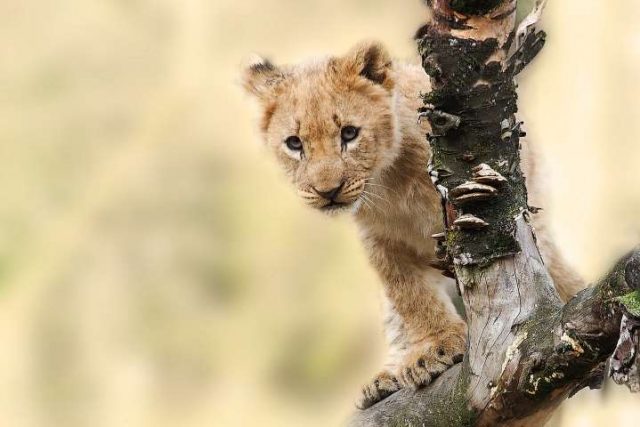
A lion sighting may involve a pride resting beneath a tree, cubs playing near their mothers or adults communicating through scent marking and vocalizations. There is no guarantee that lions will appear on a particular drive, but that uncertainty is an essential part of an authentic safari.
Experienced guides can make sightings more educational by interpreting tracks, explaining pride dynamics and discussing how lions interact with prey, competing predators and neighboring communities.
Visit Shamwari and the Born Free Big Cat Sanctuary
Shamwari Private Game Reserve in South Africa’s Eastern Cape provides an interesting combination of free-roaming wildlife and responsible care for rescued big cats.
The reserve is home to the Born Free Big Cat Sanctuary, which provides lifetime care for lions and leopards rescued from zoos, circuses, private ownership and other captive facilities. Many of these animals experienced neglect or inappropriate living conditions before arriving in South Africa and cannot be safely released into the wild.
The sanctuary operates two facilities at Shamwari and has worked with the reserve since 1996. Its rescued animals live in spacious bush enclosures where they receive professional care and greater privacy than they had in their previous surroundings.
Among its residents is King, a lion rescued from an apartment in Paris, where he had been illegally kept as an exotic pet. King was moved to Shamwari to live in a natural bush enclosure and receive permanent care.
In 2024, Born Free’s Shamwari operation became the first big-cat sanctuary in South Africa to receive accreditation from the Global Federation of Animal Sanctuaries. The accreditation recognizes facilities that meet independently assessed animal-care, ethical and operational standards.
Visitor access is deliberately limited. Families interested in learning about the sanctuary should confirm current opportunities directly with Shamwari before planning their trip. A visit should never be presented as a guaranteed close encounter; the welfare and privacy of the animals come first.
Understand the Difference Between a Sanctuary and a Safari Reserve
A genuine sanctuary and a wildlife reserve serve different purposes.
A safari reserve protects free-ranging animals living within an ecosystem. Although conservation teams may monitor or manage wildlife, the animals generally hunt, reproduce and establish territories naturally.
A legitimate sanctuary provides lifelong care for animals that cannot return to the wild. It should not breed animals for commercial purposes, offer unrestricted physical contact or use animals as props for visitor photographs.
Families may encounter both kinds of facilities during a conservation-focused journey, but expectations should be different. A safari drive is about observing natural wildlife behavior. A sanctuary visit is about understanding the consequences of captivity and supporting responsible animal care.
Avoid Lion-Cub Petting and Walking With Lions
Not every attraction that uses the word “conservation” contributes meaningfully to protecting wild lions.
Travelers should be cautious of facilities offering lion-cub petting, bottle-feeding, walking with lions or photographs involving direct physical contact. These activities may be presented as educational, but they often prioritize visitor entertainment over animal welfare.
A common claim is that cubs are orphaned or will eventually be released into the wild. Families should ask for evidence rather than accepting these statements at face value. Lions accustomed to frequent human handling are generally unsuitable for release into natural populations.
South Africa has acknowledged serious ethical and conservation concerns surrounding its captive-lion industry. The government is moving to prohibit new commercial captive-lion breeding facilities and has adopted a policy objective of ending the commercial exploitation of captive and captive-bred lions.
Children can still have extraordinary wildlife experiences without touching an animal. Watching a wild lion move through the grass or hearing one roar after sunset is far more powerful than posing with a captive cub.
Ask Questions Before Booking
A safari company or lodge should be able to explain clearly how its operations support wildlife and local communities. Before booking, consider asking:
- Does the property protect free-roaming wildlife or keep animals in captivity?
- Are guests permitted to touch, feed or pose with wild animals?
- Where do captive animals come from, and where will they spend the rest of their lives?
- Does the facility breed lions or other predators?
- Is the sanctuary independently accredited?
- How are conservation levies used?
- Does the lodge employ and purchase from neighboring communities?
- Are wildlife-viewing practices designed to minimize disturbance?
- Does the company support research, habitat restoration or anti-poaching programs?
- Can it provide specific examples of recent conservation work?
Credible organizations should welcome these questions and offer detailed answers. Vague claims about “giving back” or “saving wildlife” are not enough on their own.
The Southern Africa Tourism Services Association provides a captive-wildlife interaction guide that considers the complete life cycle of animals used in tourism, including their origin, treatment and eventual destination.
Choose Accommodations That Support Conservation
Many South African safari lodges collect conservation levies in addition to accommodation charges. These funds may support wildlife monitoring, habitat management, veterinary work, ranger teams or community initiatives.
Look for properties that publish specific information about how conservation funds are allocated. Certifications and memberships can provide useful guidance, but they should be considered alongside measurable actions.
Environmental practices also matter. Responsible properties may use renewable energy, reduce single-use plastics, manage water carefully and source food locally. Community employment, training and ownership are equally important because long-term conservation is more likely to succeed when local residents receive meaningful economic benefits from tourism.
Readers interested in this approach can learn more through DRIFT Travel’s feature on conservation-based travel.
Make the Safari Meaningful for Children
A conservation safari can be an unforgettable family experience, but children benefit most when they are actively involved.
Before traveling, introduce younger family members to the animals they may encounter and explain why sightings cannot be guaranteed. Encourage them to keep a wildlife journal, learn to recognize tracks or record the different bird and mammal species they see.
During game drives, a private vehicle can give families greater flexibility. It allows the guide to adjust the pace, answer questions and return to the lodge when younger travelers need a break.
Parents should also check minimum-age requirements. Some lodges restrict young children from joining shared game drives, walking safaris or certain conservation activities. Family-friendly properties may offer shorter drives, junior ranger programs or age-appropriate educational sessions.
The goal should not be to see as many animals as possible in the shortest time. Watching one pride of lions for an extended period can reveal more than racing between several brief sightings.
Follow Responsible Wildlife-Viewing Practices
Ethical behavior remains important even when animals are living freely in a reserve.
Visitors should follow their guide’s instructions, remain inside the vehicle unless told otherwise and avoid loud noises that could disturb wildlife. Animals should never be called, baited or pressured into moving for a better photograph.
Flash photography may be inappropriate in some situations, particularly at night. Guests should also resist asking guides to move too close to animals or block their path.
Posting wildlife photographs responsibly matters as well. Avoid sharing the precise real-time location of vulnerable species, especially when guides or reserve staff advise against it. Images showing irresponsible interaction with captive wildlife can encourage others to seek out the same experience.
Combine Lion Conservation With a Wider Safari
Lions may inspire the journey, but a responsible safari should introduce families to the entire ecosystem.
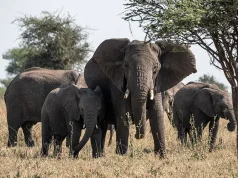
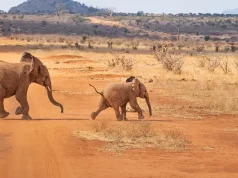
Elephants shape vegetation and create pathways used by other species. Vultures and hyenas perform essential cleanup roles. Antelope influence grasslands, while insects, birds and plants support the wider food web.
South Africa also offers opportunities to learn about rhinoceros protection, vulture rehabilitation, habitat restoration and community conservation. Understanding these connections helps children see that saving lions requires protecting much more than a single charismatic species.
For additional inspiration, explore DRIFT Travel’s guide to African safaris beyond the Big Five.
A Safari That Leaves a Positive Legacy
A lion conservation safari should be exciting, but it should also encourage visitors to think carefully about their impact.
Choosing an ethical reserve, avoiding exploitative animal interactions and supporting credible conservation organizations allows travelers to direct their spending toward better wildlife outcomes. It also shows children that responsible travel involves asking questions and considering the welfare of animals long after the vacation ends.
Movies may spark a fascination with lions, but seeing these animals living naturally—and meeting the people working to protect them—can turn that fascination into lasting respect.