
The Florida Keys reward travelers who take their time. Stretching from Key Largo to Key West, the island chain offers coral reefs, mangrove forests, wildlife refuges, maritime history and an appealingly laid-back culture that changes subtly as you travel south.
Key Largo is the gateway to underwater adventure, Islamorada combines sportfishing with an energetic arts community, Marathon is particularly well suited to families, and the Lower Keys offer quieter encounters with nature. At the end of the Overseas Highway, Key West adds historic homes, museums, sunset cruises and colorful nightlife.
Whether you are planning a road trip through the entire island chain or choosing one Key as your base, these attractions, tours and accommodations offer a strong starting point.
Key Largo: Begin Beneath the Surface
Key Largo is widely considered the diving and snorkeling gateway to the Florida Keys. Its defining attraction is John Pennekamp Coral Reef State Park, the first undersea park in the United States.
The park encompasses approximately 70 nautical square miles of protected waters. Visitors can join snorkeling and scuba-diving excursions, take a glass-bottom boat tour or explore the mangrove-lined shoreline by kayak or paddleboard. On land, the visitor center includes a saltwater aquarium and exhibits introducing the marine habitats found offshore.
Beyond the state park, dive operators throughout Key Largo lead trips to reefs and shipwrecks within the Florida Keys National Marine Sanctuary. Conditions and suitable sites vary, so travelers should choose an operator that matches their swimming ability and certification level.
Where to Stay in Key Largo
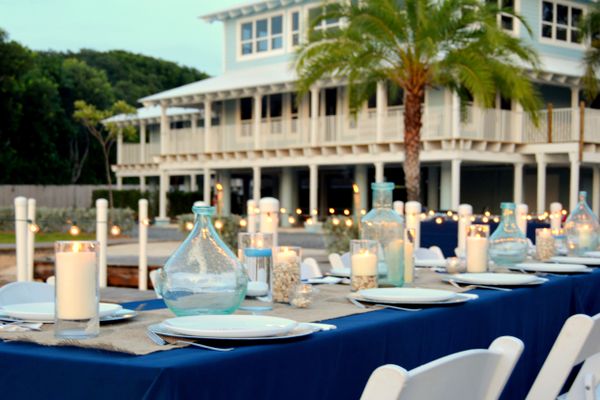
Dolphin Point Villas remains an appealing choice for families, wedding parties and groups seeking more space than a conventional hotel room. The gated bayfront property offers several standalone villas, including larger accommodations with kitchens and private gathering areas.
For a full-service resort experience, Baker’s Cay Resort Key Largo occupies 13 acres on Florida Bay. Its private beach, pools and water-based activities make it a convenient base for travelers who want resort amenities alongside easy access to the Upper Keys.
Islamorada: Fishing, Art and Island Culture
Islamorada is best known as the “Sportfishing Capital of the World,” but fishing is only part of its appeal. Offshore charters pursue species such as mahi-mahi, sailfish and tuna, while backcountry guides explore the shallower waters of Florida Bay in search of tarpon, bonefish and permit.
Even travelers who never pick up a rod can experience Islamorada from the water. Sunset cruises, snorkeling excursions and private boat charters provide access to reefs, sandbars and mangrove islands that cannot be reached by car.
Back on land, the Morada Way Arts & Cultural District has become one of the Upper Keys’ most enjoyable places to explore on foot. Galleries, studios, restaurants and local businesses occupy a compact district in the heart of Islamorada. Its monthly Art Walk, held on the third Thursday, brings together artists, musicians, food vendors and visitors for an evening celebrating Keys creativity.
Where to Stay in Islamorada
The Islands of Islamorada is designed for travelers who prefer residential-style space with resort amenities. Its ocean-view suites and multi-bedroom villas work particularly well for families and groups, while the property’s pools, private beach, marina and water-sports equipment make it easy to spend time outside.
Marathon: Wildlife and Railroad History
Located near the center of the island chain, Marathon is one of the most practical bases for families. It has beaches, boating access and several attractions that combine education with conservation.
At The Turtle Hospital, guided programs introduce visitors to the rescue and rehabilitation of injured sea turtles. The working veterinary facility treats turtles affected by boat strikes, entanglement, disease and other threats before returning those that can recover to the ocean. Advance reservations are strongly recommended.
Marathon is also the departure point for visits to historic Pigeon Key. The small island once housed workers who helped construct Henry Flagler’s Florida Keys Over-Sea Railroad. Today, visitors can explore restored buildings, exhibits and the surrounding shoreline. Access options include scheduled ferry service and the restored section of the Old Seven Mile Bridge, which can be enjoyed on foot or by bicycle.
For a relaxed afternoon, Sombrero Beach offers swimming, shaded picnic areas and a broad stretch of shoreline. Visitors should remember that sea turtles nest on Florida Keys beaches, so marked nesting areas must be given plenty of space.
Where to Stay in Marathon
Isla Bella Beach Resort sits near the entrance to the Seven Mile Bridge and offers an oceanfront base for exploring the Middle Keys. Its location is convenient for visiting Pigeon Key, The Turtle Hospital and other Marathon attractions while continuing south toward the Lower Keys and Key West.
Big Pine Key and the Lower Keys: A Quieter Side of the Islands
The Lower Keys feel noticeably less developed than Key Largo, Islamorada and Key West. This is where travelers come for wildlife, open water and a slower pace.
The Florida Keys National Wildlife Refuges Nature Center on Big Pine Key is the best place to begin. The center introduces visitors to the four national wildlife refuges in the region and provides guidance on responsible wildlife viewing.
Big Pine Key is particularly associated with the endangered Key deer, a small subspecies of white-tailed deer found only in the Lower Keys. Although deer are frequently seen near roads and residential areas, visitors should never feed or approach them. Driving cautiously is especially important around dawn, dusk and after dark.
Nearby Bahia Honda State Park is known for its beaches, clear water and views of the historic Bahia Honda Rail Bridge. Swimming, kayaking and snorkeling are popular, although water conditions and beach access can change with the weather.
The Lower Keys are also an important center for coral science. Mote Marine Laboratory’s Elizabeth Moore International Center for Coral Reef Research & Restoration on Summerland Key supports coral propagation, climate research and reef-restoration programs. It is primarily a research facility rather than a conventional walk-in attraction, but its work helps travelers understand the conservation effort taking place beneath the surface throughout the Keys.
Where to Stay in the Lower Keys
Accessible only by boat or seaplane, Little Palm Island Resort & Spa offers an adults-only private-island experience off Little Torch Key. Its secluded bungalows and limited distractions suit couples looking for a quiet escape rather than a busy sightseeing base.
Key West: Literature, Maritime History and Sunset Views
Key West’s compact historic center is best explored slowly. Walking or cycling makes it easier to appreciate its wooden homes, lush gardens, galleries and blend of Bahamian, Cuban and American influences.
The Tennessee Williams Museum explores the playwright’s decades-long connection to Key West through photographs, personal objects, first editions and exhibits devoted to his writing and life. It is one of four museums operated by the Key West Art & Historical Society.
For an introduction to the region’s marine environment, visit the Florida Keys Eco-Discovery Center. The free attraction contains more than 6,000 square feet of interactive exhibits covering coral reefs, seagrass beds, mangroves, shipwrecks and conservation. It is an especially useful stop before taking a snorkeling, diving or wildlife-viewing excursion.
Sunset sailing remains one of the signature Key West experiences. Operators range from lively group cruises to smaller schooners and private charters. Compare vessel size, passenger capacity and the style of the trip before booking; a quiet sailing excursion can feel very different from a large entertainment-focused cruise.
Travelers with a full day should also consider Dry Tortugas National Park, approximately 70 miles west of Key West. The remote park is accessible only by ferry, seaplane, private boat or permitted charter. Most day visitors explore Fort Jefferson and snorkel near Garden Key. Transportation capacity is limited, making advance reservations essential.
Getting to and Around the Florida Keys
Many visitors fly into Miami or Fort Lauderdale and follow the Overseas Highway south. The drive is an important part of the experience, but traffic can be slow during weekends, holidays and special events. Avoid scheduling too many activities on the day you arrive.
Flying directly into Key West is another option. A new Concourse A opened at Key West International Airport in 2025, adding modern boarding facilities and jet bridges to the compact airport.
Once in Key West, a car may be more of a burden than a benefit because parking is limited in the historic district. Walking, cycling, taxis and local shuttles are often easier. A vehicle is much more useful for travelers exploring multiple Keys.
Tips for Planning a Florida Keys Vacation
- Choose one or two primary bases rather than changing hotels every night.
- Reserve popular wildlife tours, dive trips and Dry Tortugas transportation well in advance.
- Build flexibility into boating days because wind and water conditions can affect departures.
- Use reef-safe sun protection and never stand on or touch coral.
- Watch carefully for Key deer and other wildlife when driving through the Lower Keys.
- Check official websites for current hours, tour schedules and reservation requirements before leaving your hotel.
- During hurricane season, monitor weather forecasts and understand the cancellation terms attached to accommodations and tours.
Discovering the Florida Keys at the Right Pace
The Florida Keys are not a single destination but a sequence of distinct island communities. A memorable trip might combine snorkeling in Key Largo, an art walk in Islamorada, a conservation experience in Marathon, wildlife watching on Big Pine Key and several unhurried days in Key West.
The key is leaving enough room in the itinerary for the unscheduled moments: a waterfront lunch, a quiet stretch of beach, a roadside gallery or a sunset that convinces you to stay a little longer.