A white linen shirt, a favorite dress, a pair of well-cut trousers: the most useful pieces in a travel wardrobe earn their place by working in several settings. Jewelry can do the same. A pair of sapphire studs adds color without demanding a change of clothes, while pearl earrings can take a simple outfit from an afternoon café to an evening restaurant reservation.
Traveling with fine jewelry does, however, call for a little planning. Emeralds, sapphires, and pearls have different strengths and care requirements, and a piece that works beautifully for a city break may be less suitable for a week of swimming, hiking, and boat trips.
The aim is to bring a small selection you will enjoy wearing, with enough thought given to comfort, storage, and your itinerary that it never becomes a burden.
Choose Jewelry Around Your Itinerary
Start with the trip itself. A weekend of galleries and restaurants gives you more opportunities to wear fine jewelry than a beach vacation spent mostly in swimwear. A destination wedding might justify a special necklace; a road trip with frequent hotel changes may call for a simpler selection.
Lay out your clothes before choosing accessories. Look for pieces that work with several outfits, and try them on together. Check whether a pendant sits comfortably against different necklines, whether earrings catch in a scarf, and whether a bracelet becomes awkward beneath a jacket cuff.
A useful starting point is one pair of everyday earrings, one necklace, and one piece for dressier occasions. There is no need to bring all three gemstone types. The same approach behind packing fewer clothes without running out of outfit options applies here: make each item work with the rest.
Sapphires: A Practical Choice for Regular Wear
Of these three options, sapphire is generally the most forgiving for frequent wear. It belongs to the corundum family and ranks 9 on the Mohs hardness scale. It also has excellent toughness, making it well suited to rings and other jewelry worn regularly. Hardness describes resistance to scratching, however; it does not make a stone or its setting indestructible.
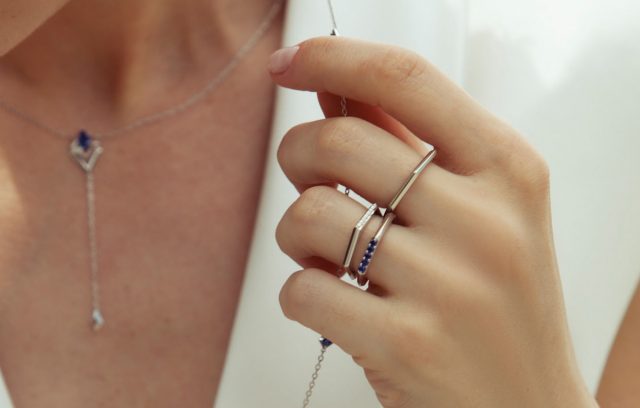
Blue sapphire is particularly easy to build into a travel wardrobe. Pair small studs with denim and a white shirt, a pendant with a navy dress, or a simple ring with neutral tailoring. For a restrained look, let the blue provide the main accent and keep other accessories understated.
Ask about treatments when purchasing sapphire jewelry. Untreated and heat-treated sapphires are durable, but fracture-filled or dyed stones need more careful handling and cleaning. For those materials, GIA recommends a damp cloth. If you are unsure about your own piece, get care instructions from a qualified jeweler before departure.
Emeralds: Rich Color for Memorable Evenings
An emerald can make a strong impression without being large. A small green pendant against a cream blouse or emerald earrings with a black dress can give a familiar outfit a very different mood.
For travel, consider where and how you will wear the piece. Earrings or a pendant are often easier choices than a prominent ring when your days involve handling bags, opening heavy doors, and moving between trains and hotels.
Emerald ranks 7.5 to 8 on the Mohs scale, but its toughness is lower than sapphire’s. Many emeralds contain fractures that have been filled with oils or resins to improve their appearance. Heat and certain chemicals can affect those treatments, while a hard knock can damage the stone.
Save emerald jewelry for gentler parts of the itinerary, such as dinner, a theater performance, or a wedding celebration. Avoid steam and ultrasonic cleaning. Warm, mildly soapy water and gentle cleaning are generally recommended, with your jeweler’s advice taking account of the complete piece and its treatments.
For design inspiration, Valani Atelier, the label featured in the original DRIFT post, offers emerald and sapphire jewelry in gold, including pendants, earrings, and bands. Use the shapes and proportions as a starting point for deciding what suits your own wardrobe.
Pearls: An Easy Way to Dress Up Simple Clothes
Pearls work especially well when your suitcase contains uncomplicated shapes and fabrics. Try small pearl earrings with an open-collar shirt, or a short strand with a plain evening dress. Worn with relaxed tailoring, they can feel fresh and unfussy rather than reserved for formal occasions.
Their softness requires care. GIA rates pearl at approximately 2.5 on the Mohs scale, so pearls can scratch easily. Perfume, hairspray, cosmetics, and perspiration can also damage their surface.
Put pearls on after applying beauty products, and wipe them gently with a soft, clean cloth after wearing. Keep them away from excessive heat and never use steam or ultrasonic cleaners. If a strung necklace is cleaned with water, allow the thread to dry completely before wearing it again.
Pack pearls separately from metal chains, earrings, and harder gemstones. A soft pouch within a protective case helps keep other pieces from rubbing against them.
Pack Jewelry So Every Piece Has a Place
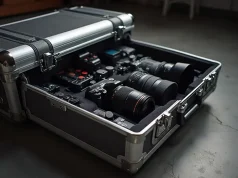
A compact jewelry case earns its space when it keeps necklaces separated, earrings paired, and delicate pieces cushioned. Look for a soft lining, secure closure, and compartments that prevent movement. Avoid squeezing several pieces into a single pocket.
Carry jewelry in your personal item or cabin baggage, rather than checked luggage. If a cabin bag needs to be checked at the gate, remove the jewelry case first. Take clear photographs of the pieces before leaving so you have a record of what you brought.
Before departure, ask a jeweler to check any questionable clasp, loose setting, or worn necklace thread. A fastening that occasionally opens at home deserves attention before a trip.
Establish a consistent routine in each hotel. Put removed pieces straight into their designated compartments rather than leaving them on a bedside table or beside the bathroom sink. Before checking out, account for every item and check any storage you used.
Know When to Leave Jewelry Off
Remove fine jewelry before entering a chlorinated pool. Chemicals can affect delicate gems and damage some precious-metal alloys. Swimming, watersports, gym sessions, and spa treatments are also good occasions to leave valuable pieces securely stored.
For an itinerary dominated by outdoor activities, consider whether fine jewelry needs to come at all. A favorite piece should add pleasure to a trip. If its value or sentimental importance means you will spend the day worrying about it, choose something you feel comfortable wearing and leave the irreplaceable item at home.
The best travel jewelry is personal, versatile, and suited to the way you actually travel. A few thoughtfully chosen pieces can accompany many evenings and many destinations, with each outing adding another memory to something you already love.