

In Colombia, music is much more than entertainment. It connects people to history, expresses cultural identity, and is an essential part of everyday life. From the unmistakable sounds of salsa and cumbia to the traditional marimba music of the Pacific Coast, Colombia’s musical heritage offers visitors an extraordinary way to discover the country.
Known for its diverse landscapes, colorful colonial cities, and welcoming communities, Colombia has become an increasingly attractive destination for travelers seeking meaningful cultural experiences. For those who love music, dance, and local traditions, the country offers an especially rewarding journey.
Whether learning salsa in Cali, exploring Afro-Colombian traditions near Cartagena, or experiencing one of the country’s celebrated music festivals, visitors quickly discover that Colombia is a destination best experienced through all the senses.
Cali: The Salsa Capital of the World
No musical journey through Colombia would be complete without visiting Cali, a city internationally recognized for its passionate relationship with salsa.
Located in the Valle del Cauca region, Cali has developed its own distinctive style of salsa dancing, characterized by rapid footwork, intricate movements, and infectious energy.
Salsa is woven into the city’s cultural identity. Dance academies welcome everyone from complete beginners to experienced dancers, while neighborhood clubs and live music venues provide opportunities to experience the city’s vibrant nightlife.
For visitors interested in learning, taking a salsa class with a local instructor is one of Cali’s most memorable cultural experiences. Many schools offer private lessons and group classes, making it easy to participate regardless of experience.
The city is also home to some of Colombia’s most celebrated dance performances, including the acclaimed Delirio salsa show, which combines music, theatrical performances, and elaborate choreography.
Cali’s musical identity reaches its peak during the annual Feria de Cali, traditionally held in late December. The celebration features spectacular salsa performances, concerts, parades, and cultural events that bring the city’s streets to life.
Discover the Musical Traditions of Colombia’s Pacific Coast
While salsa may be Cali’s most internationally recognized rhythm, the surrounding Pacific region has a rich musical heritage shaped by generations of Afro-Colombian communities.
Traditional music from Colombia’s southern Pacific region features instruments such as the marimba de chonta, a wooden percussion instrument accompanied by drums, shakers, and powerful vocal traditions.
These musical expressions tell stories of family, spirituality, history, and community life.
Recognizing their cultural importance, UNESCO inscribed the marimba music, traditional chants, and dances of Colombia’s South Pacific region and Ecuador’s Esmeraldas Province on its Representative List of the Intangible Cultural Heritage of Humanity.
One of the best opportunities to experience this extraordinary musical heritage is the Petronio Álvarez Pacific Music Festival, held annually in Cali during August.
The festival brings together musicians, dancers, artisans, and food vendors celebrating the cultural traditions of Colombia’s Pacific communities.
Visitors can experience traditional musical performances alongside contemporary interpretations, discover regional cuisine, and learn about the communities that have preserved these artistic traditions across generations.
The festival provides a deeper understanding of Colombia’s cultural diversity and the essential role music plays in preserving its heritage.
Cartagena: Where Caribbean Rhythms Come Alive
On Colombia’s Caribbean coast, music takes on a different personality.
Cartagena, famous for its historic walled city, colorful architecture, and Caribbean atmosphere, is also a center for some of the country’s most exciting musical traditions.
The city’s soundscape reflects centuries of Indigenous, African, and European influences, resulting in distinctive rhythms that continue to shape local culture.
Among the most recognizable is champeta, a high-energy musical genre with strong Afro-Caribbean roots.
Originally popularized in working-class neighborhoods, champeta draws inspiration from African music, Caribbean traditions, and contemporary dance sounds.
Today, visitors can experience this lively genre in Cartagena’s bars, dance clubs, and cultural venues, particularly around neighborhoods such as Getsemaní.
The city is also a wonderful destination for discovering cumbia, a traditional Colombian rhythm that combines musical influences from several cultural traditions.
Beyond the music, Cartagena offers travelers plenty to explore, from historic fortifications and colonial architecture to regional cuisine and nearby Caribbean islands.
For travelers planning a longer journey, DRIFT Travel’s guide to 10 unforgettable places to visit in Colombia provides additional inspiration for discovering the country.
San Basilio de Palenque: A Living Cultural Heritage
A journey into Colombia’s musical history becomes even more meaningful with a visit to San Basilio de Palenque, a historic community southeast of Cartagena.
Founded by people who escaped enslavement during the colonial period, Palenque developed a distinctive cultural identity shaped by African traditions, music, language, and community practices.
Today, the village is internationally recognized for preserving its remarkable cultural heritage.
UNESCO has recognized the Cultural Space of Palenque de San Basilio as Intangible Cultural Heritage of Humanity.
Visitors participating in community-led cultural experiences can learn about traditional music, percussion, dance, and the Palenquero language, while gaining insight into the community’s history and enduring cultural identity.
Traditional musical expressions such as son palenquero and bullerengue remain important parts of the community’s heritage.
Choosing locally led experiences helps travelers engage respectfully with the people and traditions that make Palenque such an important cultural destination.
Barranquilla: Colombia’s Carnival Capital
Farther along the Caribbean coast, Barranquilla offers another fascinating perspective on Colombia’s musical identity.
The birthplace of internationally recognized performers including Shakira, the city is especially famous for its annual Carnival of Barranquilla.
Recognized by UNESCO as Intangible Cultural Heritage of Humanity, the carnival is one of South America’s most celebrated cultural festivals.
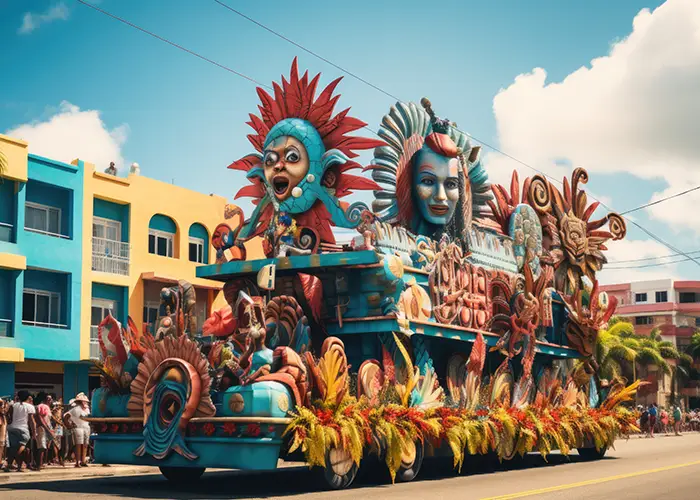
Held during the days leading up to Lent, the celebration transforms the city with elaborate costumes, traditional dances, parades, and live music.
Visitors encounter a remarkable mix of cultural traditions, including cumbia, mapalé, and other rhythms that reflect the region’s diverse heritage.
For travelers planning a visit outside carnival season, Barranquilla still offers opportunities to explore Caribbean history, local cuisine, and the musical traditions that define the city.
Experience Colombia’s Music Festivals
Music lovers can plan their travels around several annual festivals that showcase different aspects of Colombian culture.
- Petronio Álvarez Pacific Music Festival – Cali, August: A major celebration of Afro-Colombian music, dance, cuisine, and artistic traditions from the Pacific region.
- World Salsa Festival – Cali, typically September: An international gathering featuring salsa competitions, performances, dance workshops, and professional dancers.
- Feria de Cali – December: One of Colombia’s most energetic year-end celebrations, featuring concerts, cultural activities, and spectacular salsa performances.
- Carnival of Barranquilla – February or March: A UNESCO-recognized celebration of Colombia’s Caribbean musical and cultural heritage, with dates determined by the annual carnival calendar.
Festival schedules can change, so visitors should confirm the latest dates and programming with local tourism organizations before making travel arrangements.
Exploring Colombia Through Cultural Tours
For travelers who want to experience the stories behind Colombia’s music, specialized cultural tours offer opportunities to connect with musicians, dancers, historians, and local communities.
One operator with a long-standing interest in this style of travel is Tia Stephanie Tours, which specializes in cultural journeys throughout Latin America.
Founded by Stephanie Schneiderman, the company has developed travel experiences centered on regional traditions, history, music, arts, and cultural exchange.
Its Rhythms of Colombia journey explores the country’s musical heritage, drawing connections between the Pacific and Caribbean regions.
The program was developed in partnership with ethnomusicologist and music producer Jacob Edgar, founder of the world music label Cumbancha.
The experience is designed to introduce travelers to regional musical traditions, including salsa, cumbia, vallenato, and the marimba music of Colombia’s Pacific Coast.
The operator currently advertises the Rhythms of Colombia itinerary on a custom basis, with group departures available upon request. Travelers should contact the company directly to confirm scheduling, itinerary details, and availability.
Other specialized travel experiences may include dance lessons in Cali, cultural visits in Cartagena, and explorations of Afro-Colombian heritage.
For visitors who prefer independent travel, arranging experiences with established local guides, dance schools, and community organizations can provide similarly meaningful opportunities for cultural discovery.
Planning a Music-Focused Journey Through Colombia
Colombia’s diverse geography means that a music-focused itinerary can cover very different regions and cultural traditions.
For first-time visitors, combining Cali and Cartagena offers an excellent introduction to the country’s musical diversity.
Cali provides opportunities to explore salsa, Afro-Pacific musical traditions, and regional cuisine, while Cartagena introduces visitors to Caribbean rhythms and the historic connections between music, community, and identity.
Barranquilla and San Basilio de Palenque make compelling additions for travelers interested in understanding Colombia’s Caribbean heritage.
Domestic flights can make journeys between major cities more practical, allowing travelers to experience multiple regions during a single trip.
Visitors should allow sufficient time in each destination rather than rushing between cities. Some of the most rewarding cultural encounters happen beyond scheduled performances, through conversations with local artists, neighborhood explorations, and shared musical experiences.
Before traveling, review current regional travel advisories and arrange transportation and excursions through reputable local providers.
Colombia: A Destination That Moves to Its Own Rhythm
Few destinations express their cultural identity through music as vividly as Colombia.
From the rapid footsteps of Cali’s salsa dancers to the deep resonance of Pacific marimbas and the irresistible beats of Cartagena’s champeta, the country’s musical traditions offer a window into its history, creativity, and communities.
For travelers willing to look beyond conventional sightseeing, discovering Colombia through its music provides something especially memorable: the opportunity not simply to observe a culture, but to engage with the rhythms that help define it.
And in Colombia, there is always another song to discover.