
Florida does not retreat indoors when winter arrives. The season simply changes the way the state is explored.
Cooler mornings make long bike rides and nature walks more inviting. Migrating birds gather in wetlands, manatees seek the warmth of freshwater springs and the drier months open a more comfortable window for discovering the Everglades. Even the beach feels different: less about escaping the heat and more about unhurried walks, shelling and watching the light change across the Gulf of Mexico.
For travelers looking beyond restaurants, resorts and short-lived attractions, Florida’s parks and protected landscapes offer something more enduring. These seven outdoor experiences stretch from Central Florida’s spring country to the islands beyond Key West, creating the framework for a winter trip that can be as active—or as easygoing—as you like.
Follow the dry season into the Everglades
Winter is one of the most rewarding times to visit Everglades National Park. The park’s dry season generally runs from December through April, bringing lower humidity, fewer insects and increased opportunities to see wildlife gathering near shrinking pools of water.
There is no single way to experience this vast subtropical wilderness. At Shark Valley, visitors can walk or cycle the 15-mile paved loop to an observation tower with expansive views across the sawgrass. Alligators, turtles, herons and egrets are commonly spotted along the route, although wildlife should always be given plenty of space.
Farther south, boardwalks and short trails reveal freshwater sloughs, hardwood hammocks and pine rocklands. Paddlers can also choose from marked canoe and kayak routes, ranging from short outings to more ambitious backcountry journeys. Conditions and water levels can change, so consult the National Park Service before setting out and carry more drinking water than you think you will need.
Watch manatees at Blue Spring
When coastal and river temperatures fall, Florida manatees look for warmer water. That seasonal movement turns Blue Spring State Park, north of Orlando, into one of the state’s most memorable winter wildlife destinations.
Hundreds of manatees may gather in and around the spring run during cold periods. A boardwalk and overlooks allow visitors to watch them without entering the water, making this a gentle outing for families and travelers who would rather keep their feet dry. Go early for softer light and a quieter experience, then leave time to walk the park’s trails or enjoy a picnic beneath the trees.
The best encounter is a respectful one. Never touch, chase or attempt to feed a manatee, and follow all park closures and wildlife-protection rules. Sightings depend on weather and water conditions, so check the park’s current updates before making a special journey.
See spring country from Silver Springs
Florida’s interior is threaded with clear springs and spring-fed rivers, offering a completely different landscape from the coast. At Silver Springs State Park, near Ocala, travelers can look down through famously transparent water from a glass-bottom boat or explore at river level by canoe or kayak.
The view changes with the pace. A boat tour introduces the spring’s history and underwater features, while a paddle offers time to notice cypress knees, fish, turtles and birds along the banks. On land, hiking trails extend the visit into hardwood forest and wetlands.
Swimming is not permitted in the Silver River, and wildlife should never be approached. Rentals and tours can be affected by weather or capacity, so reserve ahead when possible and confirm the latest operating information directly with the park and its concession provider.
Cycle a stretch of the Florida Keys
The journey through the Keys becomes an adventure of its own on the Florida Keys Overseas Heritage Trail. More than 90 miles of existing trail follow sections of the island chain, linking communities, fishing bridges and views of the Atlantic Ocean and Florida Bay.
This is best approached as a collection of rides rather than assuming one uninterrupted, traffic-free path. Some sections are separated from the Overseas Highway, while others require extra awareness at crossings or connections. Choose a manageable segment, start early and stop often: the pleasure comes from noticing mangroves, bright water and old railway infrastructure rather than racing to the finish.
Bring sun protection even on cool days, carry water and make sure a rental bike includes a lock and repair kit. Before departing, review the state park’s advisories for temporary closures, detours and bridge conditions.
Go beyond Key West to Dry Tortugas
Almost 70 miles west of Key West, Dry Tortugas National Park feels wonderfully removed from the rest of Florida. The park is accessible only by boat or seaplane, and its centerpiece—massive Fort Jefferson—rises from vivid blue water on Garden Key.
A day trip leaves time to explore the fort, walk the seawall and snorkel when conditions allow. The clear shallows can reveal seagrass, reef life and remnants of the fort’s maritime past. Those who camp gain something day visitors miss: a remote island evening after the ferry has departed. Campsites are primitive, and campers must bring all necessary water, food and supplies.
Transport can sell out well in advance, particularly during Florida’s busy winter season. Reserve early, read the park’s current guidance and pack for strong sun, wind and the possibility of rough water. This is one adventure where careful preparation is part of the experience.
Walk the Gulf shore in search of shells
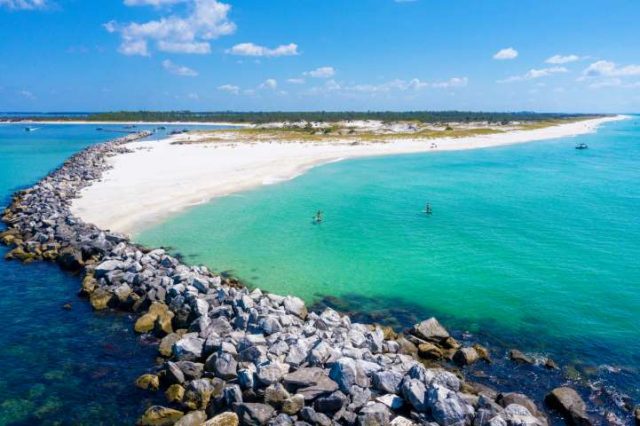
Winter gives Florida’s Gulf Coast beaches a quieter rhythm. At Gasparilla Island State Park, on the southern end of Gasparilla Island, the shoreline is especially well known for winter shelling.
There is no complicated itinerary: walk slowly near the tide line, look closely and enjoy the Gulf breeze. The restored Port Boca Grande Lighthouse lends the landscape a sense of place, while sunsets provide a natural finale. Beach conditions are often best after changing tides or weather, but every walk is different.
Collect only empty shells. Taking live shells is prohibited, and leaving living creatures where they are helps protect the shoreline ecosystem. Water conditions can change quickly in winter, so observe posted warnings and never assume a calm-looking Gulf is hazard-free.
Paddle Rainbow Springs
At Rainbow Springs State Park, clear water flows through a lush landscape of palms, oaks and aquatic plants. Winter’s milder air can make canoeing or kayaking particularly pleasant, especially for travelers who want to experience Florida’s spring country without summer’s heavy heat.
A paddle allows the river to unfold at an easy pace. Look for wading birds, turtles and fish, keep a respectful distance from wildlife and avoid trampling submerged vegetation. On land, the park’s gardens and paths offer a relaxed complement to time on the water.
Access, rentals and water-based activities may change with weather, river conditions or park operations. Check the official park page shortly before visiting, arrive early on weekends and pack a dry layer for the return journey.
Planning a Florida winter adventure
Florida winter weather is usually mild, but it is not completely predictable. Cold fronts can bring chilly mornings, wind or rough seas, while clear afternoons may still feel intensely sunny. Dress in light layers, use reef-conscious sun protection and carry water on every outing.
Reservations are wise for ferries, camping, boat trips and popular paddling experiences. For parks and trails, check the managing agency’s alerts on the morning of your visit; maintenance, wildlife activity and storm recovery can all affect access. Avoid relying on old roundup links or third-party listings when an official park page is available.
Most importantly, let the season set the pace. Florida in winter is not about squeezing every activity into a single trip. It is about taking the longer trail, lingering at the wildlife overlook and discovering that the Sunshine State’s best cold-weather escape is often the one found outdoors.