The right travel bag can quietly change the entire experience of a trip.
A well-designed bag makes airport transfers easier, keeps essentials organised and gives you enough room for what you actually need without turning every journey into a struggle with excess weight. The wrong one can leave you wrestling with zippers, searching through compartments and wondering why you packed so much in the first place.
There is no single perfect bag for every traveler, however.
A three-day city break, a month-long European journey and an adventurous trip through several climates all call for different approaches to luggage. The best choice depends less on what looks impressive in a shop and more on how, where and why you travel.
Your Destination Should Influence Your Bag
Before choosing luggage, consider the trip itself.
A polished hard-shell suitcase might be ideal for moving between airports, hotels and taxis, particularly when most of the journey involves smooth floors and reliable transportation. A lightweight backpack or soft-sided travel bag may make more sense when the itinerary includes trains, cobbled streets, boats or frequent changes of accommodation.
The destination can also determine how much you need to carry.
A warm-weather beach escape generally requires less bulky clothing than a winter trip. A hiking holiday may require specialist equipment that would be unnecessary on a city break. Meanwhile, business travelers may need space for a laptop, documents and clothing that can transition from airport to meeting room.
Thinking about the journey before thinking about the bag can eliminate many poor choices.
Short Trips Call for a Different Approach
Weekend travel has become increasingly popular, particularly for travelers who would rather take several shorter escapes than one long annual vacation.
For a two- or three-night trip, a large suitcase can quickly become more inconvenience than advantage.
A compact carry-on, duffel or weekender may provide enough room for clothing, toiletries, shoes and everyday essentials while keeping the traveler mobile. The smaller format also encourages more deliberate packing.
This can be especially useful when navigating busy airports or changing trains.
DRIFT has previously highlighted the appeal of travel bags designed specifically around shorter luxury escapes, reflecting a broader shift toward luggage that combines practicality with style.
For short journeys, the question is often not how much can fit inside the bag, but how little you can comfortably take with you.
When a Carry-On Is Enough
Carry-on travel offers another advantage beyond avoiding checked-bag fees: control.
Keeping your essentials with you means less time waiting at baggage claim and fewer concerns about luggage being delayed or misplaced.
For travelers who are comfortable packing efficiently, a well-designed carry-on can be surprisingly capable.
Look for features that make the bag easy to organise rather than simply focusing on maximum capacity. Separate compartments can make documents, electronics and toiletries easier to access, while expandable designs can provide additional flexibility when necessary.
Wheels, handles and overall dimensions matter as well.
A bag that technically meets a carry-on requirement but is awkward to lift into an overhead compartment may not be particularly convenient in practice.
Choosing Bags for Longer Journeys
Longer trips often require a different balance.
More clothing, shoes and personal items inevitably mean more volume, but that does not necessarily mean travelers should choose the largest suitcase available.
Oversized luggage can encourage overpacking and can become cumbersome when navigating airports, hotels and public transportation.
Instead, consider how frequently you will need to move the bag.
If you are staying in one resort for two weeks, a larger suitcase may be perfectly reasonable. If you are spending two weeks moving between five different cities, a slightly smaller and more manageable piece of luggage could make the journey considerably easier.
Durability becomes increasingly important as well.
Repeated handling, changing weather conditions and frequent transportation can put considerable stress on luggage. Strong wheels, reliable zippers and sturdy handles are often more valuable than decorative details.
Adventure Travel Changes the Equation
Adventure travel can completely change what travelers need from a bag.
A safari, hiking trip, cycling holiday or multi-day outdoor excursion may involve surfaces and conditions that traditional luggage was never designed to handle.
A backpack may provide greater freedom of movement than a wheeled suitcase. Water-resistant materials can be valuable in unpredictable weather, while external attachment points may be useful for equipment that cannot easily fit inside.
Weight matters too.
When luggage is going to be carried rather than rolled, every additional kilogram becomes noticeable.
The same principle applies to travelers moving frequently between destinations. A lightweight bag can make the difference between feeling prepared and feeling overloaded.
Look Beyond Appearance
Travel bags are often chosen based on aesthetics, and there is nothing wrong with wanting luggage that looks good.
For many travelers, however, appearance should be only one part of the decision.
Consider how the bag opens. Can you reach the items you use most frequently? Does the interior make sense for the way you pack? Are the handles comfortable? Do the wheels move smoothly? Is the material appropriate for the environments you expect to encounter?
Security can also matter.
Lockable zippers, concealed compartments and designs that keep valuables difficult to access can provide additional peace of mind, particularly in crowded transportation hubs.
The best luggage often combines these details so seamlessly that you barely notice them until you need them.
The Balance Between Weight and Capacity
One of the most important trade-offs in luggage design is capacity versus weight.
A bag that weighs very little when empty may seem ideal, but if its construction sacrifices durability, it may not remain a good investment for long.
Conversely, extremely robust luggage can become unnecessarily heavy before anything has been packed inside.
The sweet spot depends on the traveler.
Frequent flyers may prioritise lightweight construction because they encounter airline baggage limits regularly. Travelers who drive between destinations may place more emphasis on durability and storage capacity.
There is no universally correct answer.
The objective is to find the combination that works for your particular travel habits.
When It Makes Sense to Compare Your Options
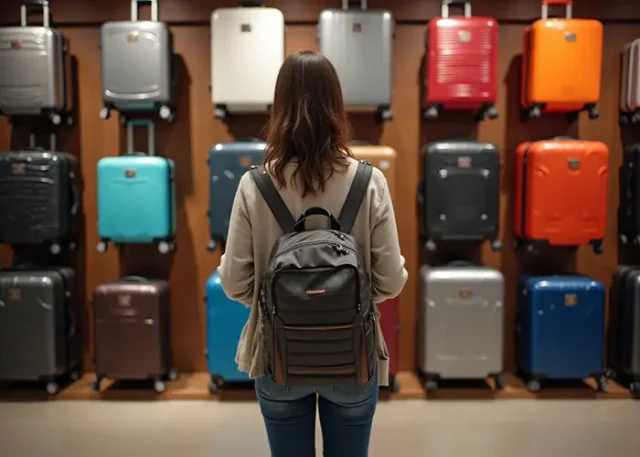
The variety of luggage available today can make choosing a bag more complicated than it once was.
There are hard-shell cases, soft-sided suitcases, backpacks, duffels, garment bags, weekenders, convertible designs and countless variations within each category.
Rather than choosing the first attractive option, it can be useful to compare different styles, sizes and price points before buying.
Travelers looking across multiple categories can explore luggage and travel bags to get a broader sense of the options available and determine which type best fits the trip they have planned.
The goal is not necessarily to find the most expensive piece of luggage. It is to understand what you are paying for and whether those features will actually improve your travels.
The Best Travel Bag Is the One That Fits Your Journey
Good luggage should make travel feel easier, not add another problem to solve.
For a weekend escape, that might mean a compact bag that fits everything needed for three days. For a long-haul journey, it could mean a durable suitcase with carefully designed compartments. For an adventure trip, it may be a lightweight backpack capable of handling changing conditions.
The most useful question is therefore not, “What is the best travel bag?”
It is:
What kind of traveler am I?
Once that is clear, choosing becomes much simpler.
Think about where you are going, how often you will move, what you need to carry and how much flexibility you want. Consider weight, durability, organisation and comfort alongside appearance.
The right bag should ultimately disappear into the experience.
When your luggage works properly, you stop thinking about it and start paying attention to the destination instead.