
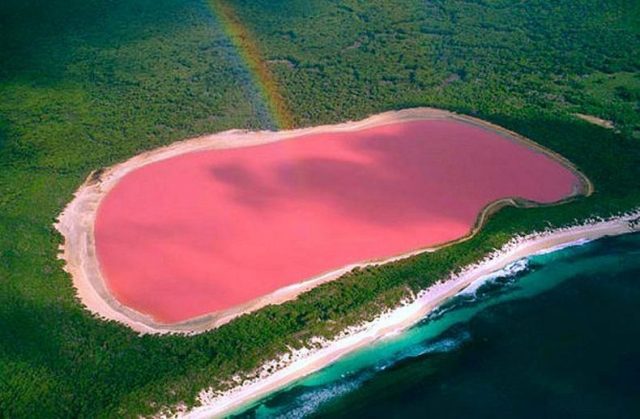
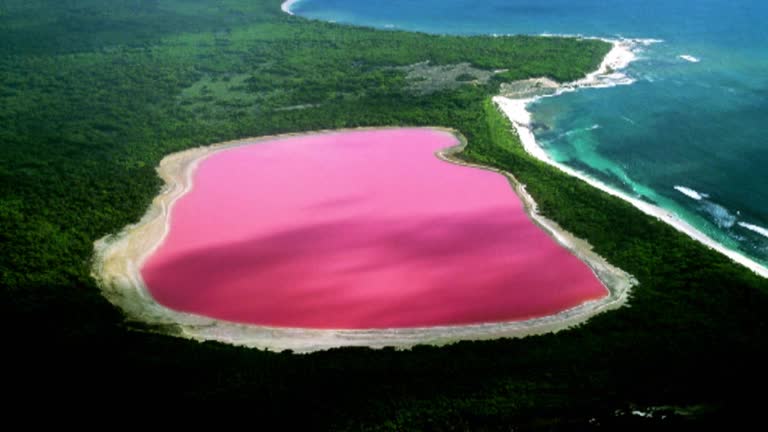
Looking for Western Australia’s famous pink lake? While the original Pink Lake near Esperance is no longer pink, the vibrant, bubblegum-colored Lake Hillier remains one of Australia’s most extraordinary natural wonders. Located off the coast of Esperance on Middle Island, Lake Hillier continues to captivate travelers with its striking color contrast against the deep blue Southern Ocean and lush green forest surrounding it.
In this guide, discover how to visit Lake Hillier, the best time to see Western Australia’s pink lakes, and what you need to know before booking a scenic flight or cruise experience.
What Makes Lake Hillier So Famous?
Unlike many pink lakes around the world that change color depending on conditions, Lake Hillier is famous for maintaining its vivid pink hue year-round. The lake’s surreal color is believed to come from a combination of salt-loving algae called Dunaliella salina and naturally occurring microorganisms thriving in the highly saline water.
The contrast between the bright pink lake, white sand beaches, turquoise ocean, and dense eucalyptus forest creates one of the most photographed landscapes in Australia.
Why Is Lake Hillier Pink? The Science Explained
Scientists believe Lake Hillier’s vivid color comes from a mix of naturally occurring microorganisms, including Dunaliella salina, a type of algae that produces beta-carotene pigments in salty environments. The lake’s extremely high salinity levels also support pink bacteria known as halobacteria, which contribute to the intense coloring.
What makes Lake Hillier especially unique is that its pink color remains visible even when water is collected in a container.
How to Get to Lake Hillier from Esperance or Perth
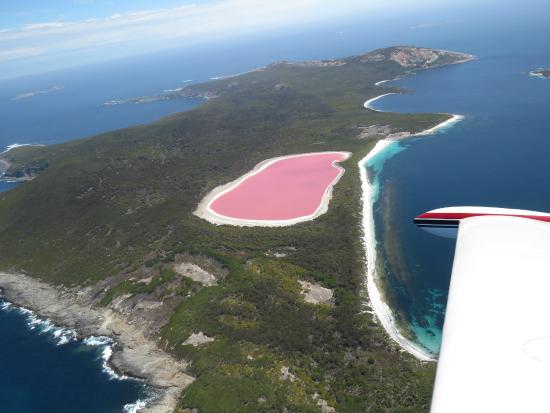
One of the biggest misconceptions travelers have is that you can simply drive to Lake Hillier. Unlike the former Pink Lake near Esperance, Lake Hillier is located on Middle Island, part of the Recherche Archipelago Nature Reserve.
To visit Lake Hillier, travelers typically:
- Take a scenic flight from Esperance
- Join a boat cruise around the islands
- Book a helicopter tour over the lake
Scenic flights are by far the most popular option, offering spectacular aerial views of the lake and surrounding coastline.
Scenic Flights from Esperance
Flights depart from Esperance and usually range from 1 to 2 hours depending on the tour. Many flights also include views of:
- Lucky Bay
- Cape Le Grand National Park
- The Recherche Archipelago
- White sand beaches and coastal cliffs
The Best Time to Visit Western Australia’s Pink Lakes
Lake Hillier can be visited year-round, but the best conditions for viewing its vibrant pink color are typically during:
- Late spring (October to November)
- Summer (December to February)
During these months, sunny skies and stronger daylight enhance the lake’s dramatic color contrast.
Morning scenic flights often provide the clearest visibility and best photography conditions.
Where to Stay When Visiting Lake Hillier
Since most scenic flights and tours to Lake Hillier depart from Esperance, the coastal town makes the perfect base for exploring Western Australia’s famous pink lake. From luxury beachfront stays to stylish boutique retreats, Esperance offers accommodations that pair beautifully with the region’s dramatic coastline and laid-back atmosphere.
Esperance Chalet Village
Surrounded by bushland just minutes from the beach, Esperance Chalet Village offers private self-contained chalets ideal for travelers wanting space and tranquility after a day exploring the coastline. Kangaroos frequently roam the property, adding to the authentic Australian experience. The peaceful setting makes it a great choice for couples and nature lovers.
RAC Esperance Holiday Park
Located near some of Esperance’s famous white sand beaches, RAC Esperance Holiday Park combines modern villas and cabins with easy access to scenic drives, coastal walks, and tour departure points. Its relaxed atmosphere and waterfront location make it especially appealing for families and road-trippers exploring the region.
Hospitality Esperance, SureStay Collection by Best Western
For travelers seeking a comfortable and convenient base in town, this centrally located property offers spacious rooms, a pool, and easy access to Esperance’s restaurants, cafes, and marina. It’s an excellent option for visitors booking early morning scenic flights to Lake Hillier.
Cape Le Grand Campground
For adventurous travelers, staying near Cape Le Grand National Park offers an unforgettable connection to the region’s natural beauty. Known for its crystal-clear waters, dramatic granite peaks, and kangaroos lounging on the beach at Lucky Bay, the campground provides one of Australia’s most scenic coastal stays. It pairs perfectly with a Lake Hillier scenic flight itinerary.
What to Expect During Your Visit
Because Middle Island is a protected nature reserve, public access to Lake Hillier itself is limited. Most visitors experience the lake from above rather than landing directly on the island.
Even from the air, the experience is unforgettable. The lake’s color appears almost unreal against the surrounding landscape, making it one of Western Australia’s true bucket-list destinations.
Travelers visiting Esperance can easily combine a Lake Hillier experience with coastal road trips, wildlife encounters, and beach escapes throughout the region.
Photography Tips for Lake Hillier
To capture the best images of Lake Hillier:
- Book a scenic flight with large viewing windows
- Fly during clear weather conditions
- Use polarized sunglasses carefully when photographing through windows
- Bring a zoom lens for coastline details
- Shoot during mid-morning or early afternoon for stronger color contrast
FAQs About Lake Hillier
Can You Swim in Lake Hillier?
Yes, the water itself is considered safe for swimming. However, Middle Island is a protected nature reserve, and public access is highly restricted. Most visitors view the lake from scenic flights or boat tours rather than swimming in it.
Is Pink Lake in Esperance Still Pink?
No. The original Pink Lake near Esperance lost much of its pink color years ago due to environmental changes and reduced salinity levels. Travelers looking for Western Australia’s famous bright pink lake should instead visit Lake Hillier or Hutt Lagoon.
Final Thoughts
Western Australia is home to some of the world’s most remarkable landscapes, but few are as visually striking as Lake Hillier. While the original Pink Lake near Esperance may no longer live up to its name, Lake Hillier continues to deliver the surreal pink-lake experience travelers dream about.
Whether viewed from a scenic flight soaring above the Recherche Archipelago or paired with a wider Esperance coastal adventure, Lake Hillier remains one of Australia’s most unforgettable natural attractions.