Travel rankings change every year, but the appeal of a truly memorable destination tends to last much longer. Back in 2017, TripAdvisor’s Travelers’ Choice Awards highlighted ten international destinations that captured the attention of travelers around the world.
Years later, these places continue to stand out—not because of an old ranking, but because they offer extraordinary combinations of culture, cuisine, history, scenery and distinctive local experiences.
From Bali’s spiritual landscapes to the historic streets of Prague, these ten destinations remain worthy of a place on any traveler’s wish list.
1. Bali, Indonesia
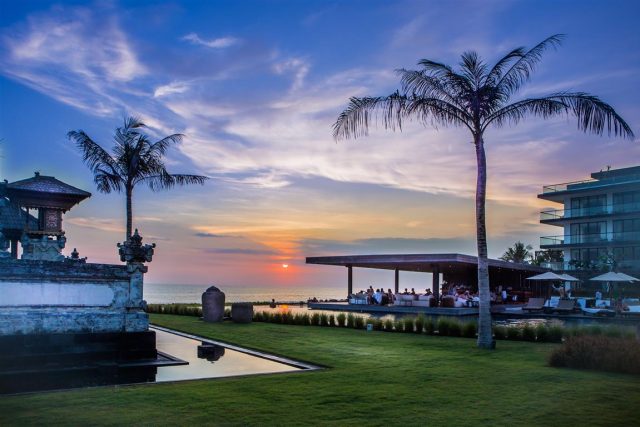
Bali offers much more than beautiful beaches. The Indonesian island is shaped by Hindu traditions, intricately decorated temples, terraced rice fields and communities where art and ceremony remain part of everyday life.
Ubud is Bali’s cultural and wellness center, with galleries, traditional dance performances, yoga retreats and access to the rice terraces of central Bali. Along the coast, destinations such as Seminyak, Uluwatu and Nusa Dua offer everything from lively beach clubs to quiet luxury resorts.
Travelers can visit water temples, explore volcanic landscapes, learn about Balinese cooking or spend a few days relaxing beside the Indian Ocean. Choosing one or two regions rather than trying to see the entire island creates a more rewarding experience.
Travelers interested in exploring beyond the beaches can discover more ways to experience the culture and beauty of Bali.
2. London, England
London rewards repeat visits because no single trip can capture everything the city offers. Historic landmarks, royal palaces, major museums, West End theatres and constantly evolving neighborhoods give travelers countless ways to experience the British capital.
First-time visitors will likely want to see Westminster Abbey, the Tower of London, Buckingham Palace and the British Museum. However, some of London’s most memorable experiences can be found away from the headline attractions.
Explore the markets of Borough and Camden, walk along the Thames, discover the galleries and restaurants of East London or spend an afternoon in Hampstead, Greenwich or Richmond. London also provides an excellent base for excursions to Windsor, Oxford, Bath and the English countryside.
3. Paris, France
Paris remains one of the world’s great destinations for art, architecture, food and urban exploration.
The Eiffel Tower, Louvre Museum and Arc de Triomphe may define the city’s skyline, but Paris is often best experienced at street level. Walk beside the Seine, browse neighborhood markets, stop at a café or explore the smaller museums and gardens scattered across the city.
Each arrondissement has its own character. The Marais combines historic buildings with galleries and boutiques, while Montmartre retains traces of its artistic past. Saint-Germain-des-Prés is known for literary history and café culture, and the Canal Saint-Martin offers a more relaxed side of contemporary Paris.
Allowing time for unplanned discoveries is one of the best ways to experience the city.
4. Rome, Italy
Rome brings together ancient history, Renaissance art, neighborhood life and one of the world’s most recognizable culinary traditions.
The Colosseum, Roman Forum and Pantheon reveal the scale of the ancient city, while Vatican City is home to St. Peter’s Basilica, the Vatican Museums and the Sistine Chapel. Baroque landmarks such as the Trevi Fountain and Piazza Navona add another layer to Rome’s architectural story.
Beyond the famous sights, travelers should make time for neighborhoods such as Trastevere, Testaccio and Monti. Local trattorias, produce markets, small churches and evening walks help reveal a more personal side of the Italian capital.
Because many of Rome’s major attractions require timed admission, booking important visits in advance can make the trip considerably easier.
Rome is also an excellent city to explore on foot, with many of its celebrated landmarks located surprisingly close together. Discover more about Italy’s walkable cities and slower approach to sightseeing.
5. New York City, United States
New York City continues to attract travelers with its energy, diversity and seemingly endless selection of things to see and do.
Manhattan contains many of the city’s most familiar landmarks, including Central Park, the Empire State Building, Times Square and the museums lining Fifth Avenue. Broadway remains a major draw, while neighborhoods such as Greenwich Village, Harlem, SoHo and the Lower East Side each provide a different perspective on the city.
Travelers should also explore beyond Manhattan. Brooklyn offers waterfront parks, creative neighborhoods and celebrated restaurants. Queens is particularly rewarding for international cuisine, while the Bronx is home to cultural institutions, green spaces and the birthplace of hip-hop.
The best New York itinerary combines major attractions with time spent walking through its neighborhoods.
6. Crete, Greece
Crete combines Mediterranean beaches with mountain villages, archaeological sites and a strong regional food culture.
The Palace of Knossos near Heraklion provides insight into the island’s Minoan past, while the old towns of Chania and Rethymno reflect centuries of Venetian and Ottoman influence. Elsewhere, dramatic gorges, remote beaches and mountainous landscapes create opportunities for hiking and outdoor exploration.
Food is central to the Cretan experience. Olive oil, vegetables, local cheeses, seafood and herbs feature prominently in traditional dishes. Visiting a village taverna or family-run farm can be just as memorable as spending a day on the coast.
Crete is Greece’s largest island, so travelers should focus on one region or allow enough time for a longer road trip.
7. Barcelona, Spain
Barcelona is defined by a distinctive mix of Catalan culture, Mediterranean lifestyle and imaginative architecture.
Antoni Gaudí’s work remains one of the city’s greatest attractions. The Sagrada Família, Park Güell, Casa Batlló and La Pedrera demonstrate the creativity that transformed Barcelona’s appearance.
The Gothic Quarter offers narrow medieval streets and hidden plazas, while the Eixample is known for broad avenues and Modernist buildings. Travelers can also visit the waterfront, browse the markets, explore Montjuïc or experience the restaurants and independent shops of neighborhoods such as Gràcia and El Born.
Advance reservations are strongly recommended for Barcelona’s most popular architectural landmarks.
8. Siem Reap, Cambodia
Siem Reap serves as the gateway to Angkor, one of Southeast Asia’s most important archaeological regions.
Angkor Wat is the best-known temple, but the wider complex contains numerous sites built during different periods of the Khmer Empire. Bayon is celebrated for its monumental stone faces, while Ta Prohm is known for the trees and roots that have grown around its ruins.
A knowledgeable local guide can help visitors understand the history, symbolism and architecture of the temples. Spending several days in the region also makes it possible to visit quieter sites beyond the busiest central circuit.
Siem Reap itself offers restaurants, markets, galleries and cultural experiences, as well as access to rural communities and the landscapes surrounding Tonlé Sap.
9. Prague, Czech Republic
Prague’s compact historic center makes it one of Europe’s most appealing cities to explore on foot.
The Charles Bridge connects the Old Town with Malá Strana, while Prague Castle overlooks the city from across the Vltava River. Old Town Square, the Astronomical Clock and the city’s Gothic churches create a memorable architectural setting.
Prague also rewards travelers who venture beyond its busiest streets. Neighborhoods such as Vinohrady, Žižkov and Holešovice offer cafés, restaurants, parks and contemporary cultural spaces. Walking along the river early in the morning or exploring the castle district later in the day can provide a quieter experience.
The city is particularly atmospheric in spring, autumn and during the winter holiday season.
10. Phuket, Thailand
Phuket remains one of Thailand’s most accessible island destinations, offering beaches, resorts, cultural attractions and convenient connections to the Andaman Sea.
Different parts of the island provide very different experiences. Patong is known for nightlife and entertainment, while areas such as Kata, Kamala, Nai Harn and Mai Khao generally offer a more relaxed atmosphere.
Away from the beaches, Phuket Old Town features colorful Sino-Portuguese architecture, restaurants, temples and independent shops. The island can also serve as a starting point for boating excursions, although travelers should choose responsible operators that follow environmental and wildlife guidelines.
Visitors seeking a quieter vacation may prefer to stay away from the busiest resort areas and explore the island at a slower pace.
Why These Destinations Remain Popular
What connects these ten destinations is not a particular ranking. Each offers enough variety to appeal to different types of travelers and enough depth to reward more than one visit.
They also demonstrate that memorable travel can take many forms: exploring an ancient temple, walking through a historic neighborhood, sharing a regional meal or simply slowing down beside the sea.
Lists and awards will continue to change, but destinations with meaningful culture, compelling stories and memorable local experiences rarely lose their ability to inspire.