

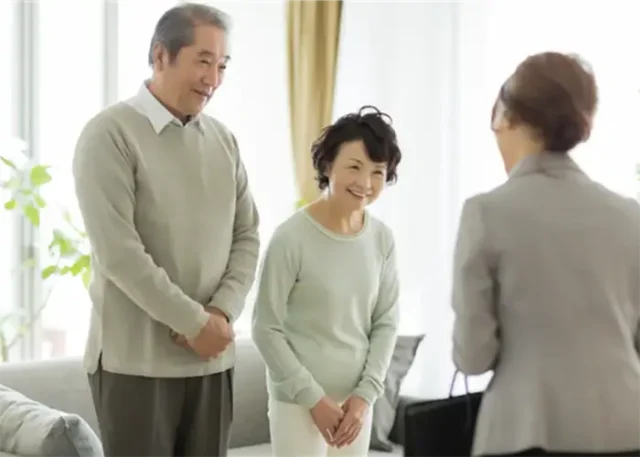
The culture of Japan is renowned worldwide for its adherence to etiquette. A polite manner is ingrained in the Japanese culture. When visiting Japan, it is important to respect this local etiquette. Moreover, it can be engaging and enriching to participate in it! Here are some rules of etiquette to keep in mind while travelling in Japan.
Hang on to Your Trash
One of the first things you’ll notice is how clean Japan is, even in the cities. The second thing you’ll notice is that there are seemingly no trash cans anywhere. Where does garbage go? Here’s the trick: if you’re carrying something that you want to throw away, either bring a bag with you to collect your own trash for later disposal (likely at a convenience store), or simply hang onto it and throw it out at your hotel. The expectation is that if you are carrying a candy wrapper, you will dispense with it at home or wherever your destination may be, but not before then.
Do Not Walk and Eat
Walking with food or drink is considered disrespectful in Japan. This ranks with “don’t blow your nose in public” and “don’t smoke outside designated areas.” Eating while walking also shows a lack of appreciation for what you are consuming, and is generally a precursor to throwing trash. Instead, if you can’t find a place to sit, then eat right outside the stall from which you purchased the food, and then you can dispose of the packaging with the vendor.
Take Your Shoes Off
Most Asian cultures emphasize removing shoes indoors, especially when entering a home, temple, school, restaurant or hospital. It is seen as unhygienic to wear outdoor shoes inside. Instead, slippers are provided, and those must be worn. Even when entering a washroom, you have to remove your indoor slippers and put on the slippers designated for the washroom. When you remove your shoes or slippers, it is customary to place the pair of shoes together, parallel, and facing away from the home.
Bow
Bowing takes the place of a handshake in Japan, showing deference to the other person. The deeper the bow, the deeper the respect. You don’t have to be obsequious about it, but the mere gesture makes the point. For men, keep your hands at your sides, and for women, cross your hands at the base of your abdomen. Then, with a straight back, look to the floor and bend forward. Bowing reflects status and sincerity; it can be formal or warm. It conveys gratitude, apology, greetings and farewells, humility and respect.