With 49% of travelers preferring to travel during spring, now is the ideal time to head on a European escape. And with 76% agreeing that sunny holidays improve their mood, travelers are increasingly seeking destinations that combine great weather with a more relaxed atmosphere.
While hotspots like Santorini and Barcelona remain go-to choices for soaking up the sun, new research from Icelandair, Iceland’s flagship airline, reveals some of Europe’s best sunny destinations are actually its least discovered.
By analyzing European destinations based on average summer temperatures, sunshine hours, and global search demand, the study identifies a series of “dupe destinations” offering the same sunshine and scenery as Europe’s most popular hotspots, but with significantly fewer crowds.
Swap Europe’s busiest hotspots for these sunnier, crowd-free alternatives
Murcia, Spain
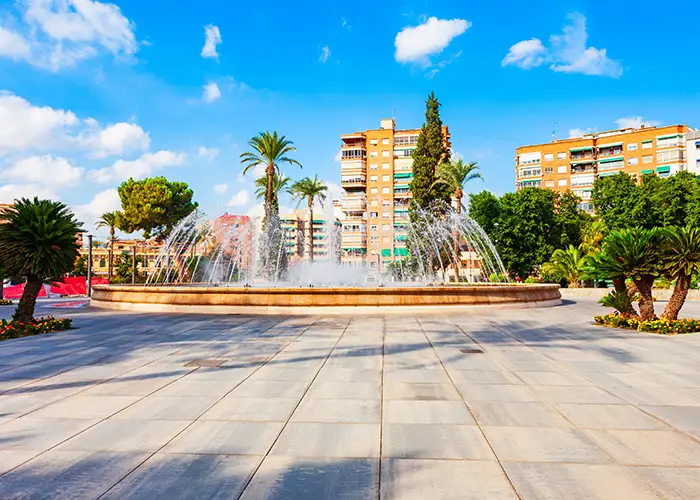
Instead of battling the crowds in Barcelona, travellers can head down to Murcia, one of Spain’s sunniest cities, offering temperatures of up to 37°C and 12 hours of sunshine a day, but with a fraction of the search demand. Often overshadowed by Barcelona, Madrid, and the Costa del Sol, Murcia offers a quieter and more authentic side of Spain that rewards travelers willing to venture beyond the usual routes. Located in the country’s southeast, the region combines sun-drenched beaches, vineyard-covered countryside, and centuries of layered history without the crowds that define many Mediterranean hotspots. The city of Murcia itself is rich in Baroque architecture, lively plazas, and a thriving culinary scene rooted in fresh produce from the fertile Segura River valley, often referred to as Europe’s orchard.
Beyond the city, visitors can explore the Costa Cálida, a stretch of coastline known for calm waters, hidden coves, and relaxed seaside towns. The Mar Menor, Europe’s largest saltwater lagoon, has long attracted wellness travelers thanks to its mineral-rich mud baths and warm, shallow waters. Murcia also appeals to food-focused travelers, with local specialties ranging from arroz caldero seafood rice dishes to wines produced in nearby Jumilla and Yecla. It’s a destination where long lunches, local festivals, and slower-paced travel still feel genuinely connected to place.
Kythira, Greece
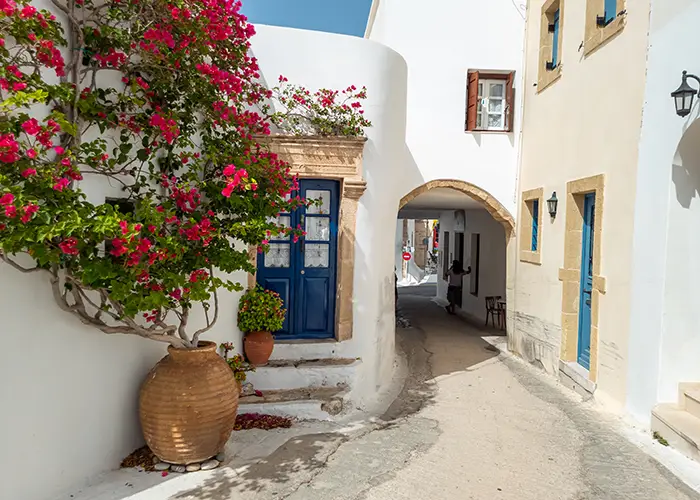
Likewise, those dreaming of Santorini can swap it for Kythira, a quieter Greek island known for its crystal-clear waters, dramatic landscapes, and authentic charm, while still enjoying 26–31°C and 12 hours of daily sunshine. Floating between the Peloponnese and Crete, Kythira feels like a Greece from another era. While islands such as Santorini and Mykonos continue to dominate attention, Kythira remains refreshingly understated, defined by quiet villages, dramatic coastal scenery, and an atmosphere shaped more by tradition than tourism. According to mythology, the island was the birthplace of Aphrodite, and there’s still something timeless and romantic about the landscape — from hidden waterfalls and Venetian castles to windswept beaches framed by rugged cliffs.
Kythira rewards travelers who prefer discovery over nightlife. Days are spent driving between sleepy hilltop villages like Chora and Avlemonas, swimming in crystal-clear coves, and lingering over meals in family-run tavernas where recipes have changed little over generations. The island’s pace encourages a deeper connection to local culture, whether through olive oil tastings, regional sweets like fatourada, or conversations with residents who maintain strong ties to the island’s heritage. For travelers seeking a quieter Greek escape with authenticity still intact, Kythira offers a compelling alternative.
Gozo, Malta
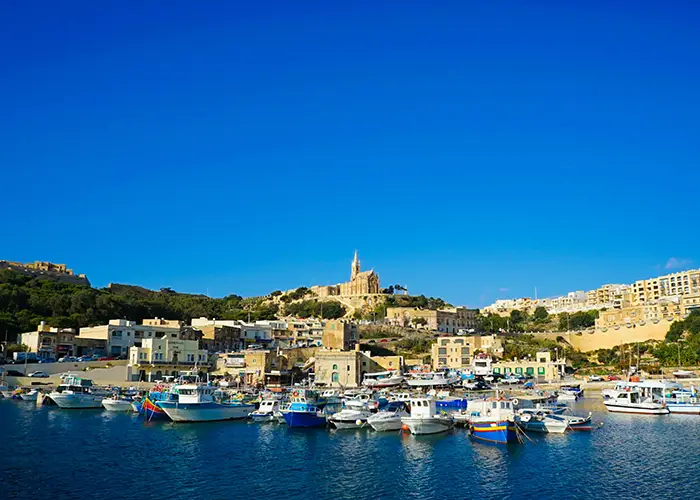
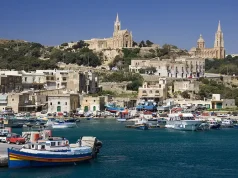
Meanwhile in Malta, the capital Valletta, can be swapped for the nearby island of Gozo, which offers the same Mediterranean climate and long, 28–33°C, sunny days, but with a more laid-back, less crowded feel. While Malta continues to gain popularity as a Mediterranean destination, its smaller sister island, Gozo, remains wonderfully tranquil by comparison. Just a short ferry ride from the main island, Gozo blends dramatic coastal landscapes, ancient history, and a slower rhythm of life that feels distinctly separate from Malta’s busier urban centers. Terraced hillsides, limestone cliffs, and sleepy fishing villages define the scenery, while historic sites reveal thousands of years of layered civilizations.
Gozo is especially appealing to travelers drawn to outdoor adventure and cultural immersion. Divers flock to the island’s clear waters and underwater caves, while hikers explore coastal trails that pass salt pans, hidden beaches, and panoramic viewpoints over the Mediterranean. In the island’s capital, Victoria, the fortified Citadel stands as a reminder of Gozo’s strategic importance throughout history. Yet despite its growing recognition, Gozo has retained an unhurried atmosphere where local cafés, family-owned guesthouses, and traditional village festas continue to shape everyday life. It’s the kind of destination where travelers slow down naturally, embracing a more relaxed and deeply local Mediterranean experience.
Elsewhere, travellers can trade:
- Seville for Extremadura (Cáceres) for the same intense summer heat and sunshine reaching 30–37°C
- Dubrovnik for the Zadar Region for Adriatic coastlines without the crowds up to 31°C
- Amalfi Coast for the Basilicata Coast for Italian seaside charm with far fewer tourists and 32°C
The full list of the top 10 sunny hotspots and popular alternatives can be found here:
Methodology:
Icelandair survey was conducted through censuswide, 3,001 Consumers in the USA from 19/01/2026 – 22/01/2026.
Icelandair analysed a range of lesser-known sunny destinations across Europe to identify hidden sunny hotspots offering warm weather without the crowds.
An initial seed list of locations was compiled based on coastal areas, cities, islands, and regions that are typically less frequented by international tourists. Each destination was then evaluated using the following metrics:
- Average summer temperature (June–August)
- Average daily sunshine hours (June–August)
- Global Google search volume, to indicate relative popularity and demand
The data was then analyzed and ranked to identify three key categories:
- Unexpected sunny destinations – locations with moderate sunshine and milder climates that still offer appealing summer conditions
- Hidden under-the-radar gems – destinations with the lowest global search volume, indicating lower levels of tourism demand
- Sunniest hotspots – destinations with the highest average daily sunshine hours, alongside a comparable popular alternative