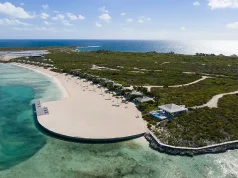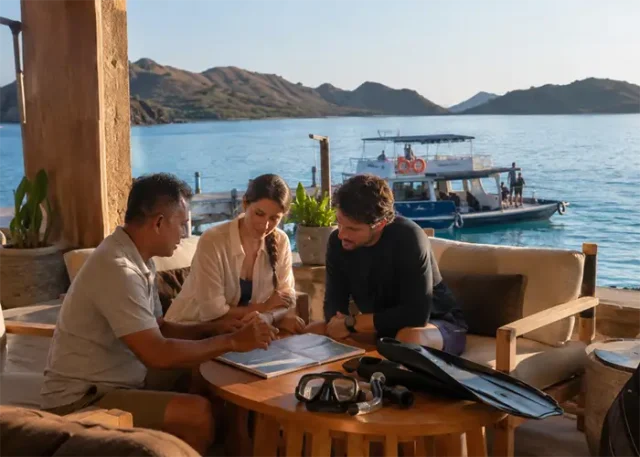
Komodo is often introduced through dramatic images: pink beaches, dry island hills, manta rays, clear water, and boats moving between scattered islands. Yet for anyone who has managed hospitality here, the deeper truth is more practical. A guest’s dive experience does not begin at the dive site. It begins at the hotel, with the first conversation, the right expectations, the breakfast time, the boat transfer, the equipment check, and the calm confidence of a team that understands how the sea shapes the day.
For travelers and resort teams comparing where to stay, KomodoResort.com offers ideas for Komodo Island scuba diving spots, because choosing the right base in Komodo is not just about the view from the room. It is also about how well accommodation, boat access, dive planning, meals, safety, and guest comfort can work together in harmony with the rhythms of the national park.
Komodo rewards hotels and resorts that think beyond rooms. The strongest operators understand that guests come for a complete experience, not a disconnected list of services. A resort may sell accommodation, a restaurant may serve dinner, and a dive team may run boat trips, but the guest feels all of it as one journey. If one part is weak, the whole memory becomes less confident.
- A dive guest judges the stay before entering the water.
- Boat timing, meals, and rest are part of the experience.
- Resorts that understand diving can create stronger guest loyalty.
Why Komodo Hospitality Must Be Built Around Movement
Komodo is not a static destination. It is defined by movement among islands, bays, beaches, dive sites, boats, and tenders, as well as by changing sea conditions. A hotel that serves dive guests cannot operate as if every day follows the same pattern. Some mornings start early. Some routes depend on the weather. Some guests need a slower pace. Others want a more adventurous schedule with several dives and a longer time at sea.
This is where the business of hospitality becomes more strategic. A resort that understands Komodo island scuba diving can plan staffing, food and beverage, guest communication, and room service around real guest behavior. Divers often wake early, eat differently, return tired, ask practical questions, and value clarity more than decorative language. They do not want confusion at reception. They want the day to feel under control.
The Hotel Is the First Safety Briefing
In professional diving, safety is usually associated with guides, boats, equipment, currents, and briefings. But from a resort management point of view, safety begins much earlier. It begins when guests are given realistic information. It begins when the staff does not overpromise. It begins when a team explains transfer times, fitness expectations, sea conditions, and suitable sites in a calm, respectful manner.
A luxury guest does not always need the most intense dive plan. Many need the right dive plan. Some are certified but have not dived for years. Some travel with non-diving partners. Some want photography. Some want mantas. Some want softer reef dives. When a resort or hotel listens carefully, it protects both the guest experience and the reputation of the destination.
- Honest guidance creates trust.
- The right site choice matters more than the most famous site.
- Clear communication reduces stress before the boat leaves.
Land-Based Resorts and the Liveaboard Question
Visitors often compare a hotel stay with a Komodo island liveaboard, and the comparison is useful. A liveaboard offers immersion. Guests sleep close to the sea, move from site to site, and spend most of the journey inside a floating dive environment. For serious divers, this can be very attractive. The schedule is focused, the access is strong, and the feeling of escape is part of the appeal.
A resort, however, offers a different kind of value. It gives guests space to recover, privacy, land-based comfort, flexible dining, and the possibility to combine diving with beach time, spa-style rest, island excursions, or slower evenings. For couples, families, mixed-ability groups, and travelers who want adventure without sacrificing hotel comfort, this can be a better fit.
A Good Operator Does Not Sell One Answer to Every Guest
The smartest hospitality teams do not argue that a resort is always better than a Komodo liveaboard, or that liveaboards are always better than hotels. They ask better questions. How experienced is the diver? How many days are available? Is the guest traveling alone, with a partner, or with family? Is the main goal maximum dive time, or a balanced Komodo holiday?
This is where hotel and resort clients in Komodo can improve their commercial position without becoming pushy. By helping guests understand the choice clearly, they create confidence. That confidence often leads to better bookings, stronger reviews, and fewer mismatched expectations.
- Liveaboards suit guests who want a dive-focused journey.
- Resorts suit guests who want diving plus comfort, space, and flexibility.
- The best advice is based on the traveler, not the product.
What Hotels Can Learn from Diving Liveaboard Operations
A strong diving liveaboard works because everything has to be planned in advance. Meals, fuel, fresh water, equipment, guest briefings, cabin service, dive deck routines, safety equipment, and crew communication all matter. Once the boat is away from easy supply, poor preparation becomes visible quickly.
Hotels can learn from this mindset. Even on land, poor coordination shows. A late breakfast affects departure. A missed dietary note affects trust. A confused pickup time affects the boat schedule. A tired guest returning from a full day of diving notices whether the room is ready, whether the shower works, and whether dinner service feels relaxed.
Back of House Discipline Creates Front of House Calm
The guest may only see the smile at reception or the meal at dinner, but good Komodo hospitality is built behind the scenes. Rosters, supplier relationships, kitchen planning, boat coordination, maintenance, room readiness, and communication between teams all shape the final experience.
For resort owners, this is not only an operational issue. It is a commercial one. A guest who feels cared for is more likely to extend, return, recommend, and choose premium experiences with confidence. A guest who feels the resort is disorganized may still enjoy the reef, but they may not trust the property again.
Designing the Dive Day as a Luxury Experience
Luxury in Komodo should not mean stripping the destination of its wildness. The beauty of Komodo is that it still feels elemental. The sea has character. The islands have scale. The light changes quickly. The wildlife feels real. Good hospitality does not control that. It prepares guests to enjoy it.
A resort that understands the dive day can design details around it. Breakfast can be practical and energizing. Staff can prepare towels and water without being asked. Dinner can be timed for the return of boats. Menus can accommodate guests who have spent hours in saltwater and sun. The reception can know the next day’s plan without making guests repeat themselves.
- Luxury can be practical.
- Comfort is strongest when it appears at the right moment.
- Small operational details often matter more than grand gestures.
The Best Dive Places Are Also Guest Match Decisions
Komodo has many well-known dive areas, but the right choice depends on conditions and the guests’ ability. A site that is perfect for one diver may be too demanding for another. This is why hotels and resorts should avoid treating dive places like a simple checklist. The better approach is to connect the guest profile, season, sea conditions, and desired experience.
For some travelers, the highlight may be encounters with manta rays. For others, it may be coral gardens, turtles, macro life, dramatic channels, or simply the feeling of floating in clear blue water. Good planning respects that difference. It also helps protect the destination from careless pressure and rushed decision-making.
The Future of Komodo Resort Hospitality
Komodo’s future as a premium destination will depend on how well operators balance growth with care. More travelers are interested in nature-based luxury, but they are also more aware of quality, safety, and responsibility. They compare hotels, boats, guides, food, reviews, and the overall sense of professionalism before committing.
For hotels and resorts, this creates an opportunity. The businesses that succeed will be those that treat diving as part of the entire stay. They will train staff to understand guest questions. They will work closely with dive teams. They will create honest expectations. They will design services around the real rhythm of sea-based travel.
A guest may arrive because of the national park, the reefs, or the dream of Komodo island scuba diving. But they return because the experience felt well held from beginning to end. That is the real lesson for Komodo hospitality. The dive day starts at the hotel, and the best resorts already know it.