Italy has always been a destination best explored on foot. Long before automobiles filled the streets, its historic city centers were built for wandering through cobblestone lanes, lively piazzas, hidden alleyways, and inviting cafés. Today, that timeless design is fueling the growing trend of slow travel.
Instead of rushing from one attraction to the next, more travelers are choosing destinations where the journey is just as rewarding as the destination. Cities where world-famous landmarks, authentic restaurants, and cultural treasures are all within an easy walk make it possible to experience Italy at a relaxed pace.
From Renaissance Florence to the canals of Venice, these Italian cities invite visitors to see more while walking less.
Florence: Italy’s Ultimate Walking City
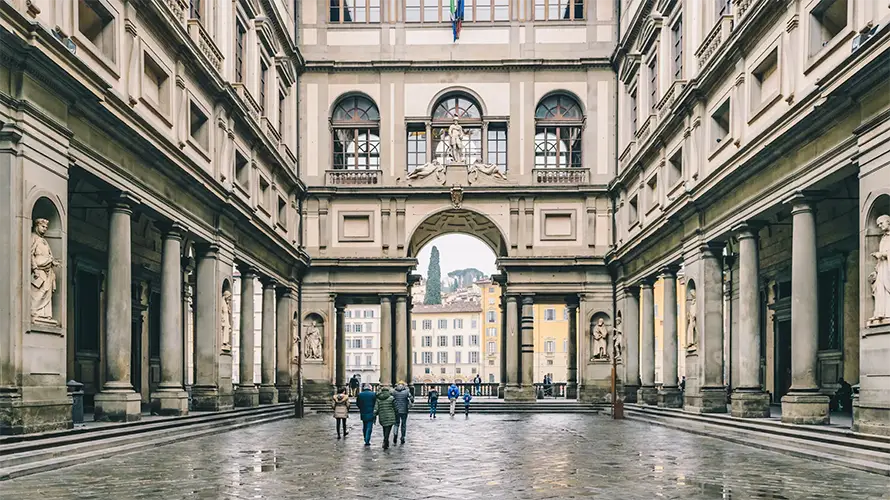
Few destinations are as rewarding to explore on foot as Florence.
The city’s compact historic center places many of its most famous landmarks just minutes apart. Start your day beneath the magnificent Duomo before strolling to the Ponte Vecchio, stopping to browse artisan workshops along the way. As evening approaches, the walk up to Piazzale Michelangelo rewards visitors with one of the most spectacular panoramic views in Italy.
Because so much of Florence can be explored without relying on transportation, it’s easy to immerse yourself in the city’s Renaissance art, architecture, and incredible food while enjoying a leisurely pace.
Venice: Every Street Leads to Discovery
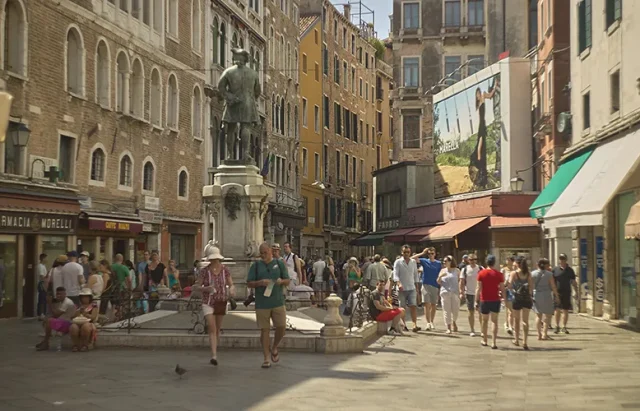
Venice offers one of the world’s most unique walking experiences.
With no cars to interrupt the atmosphere, every stroll takes visitors across picturesque bridges, along winding canals, and through narrow alleyways that reveal hidden churches, quiet squares, and family-run cafés around nearly every corner.
Although landmarks like the Rialto Bridge and St. Mark’s Square are only a short walk apart, the true magic of Venice comes from wandering without a schedule and embracing the unexpected discoveries along the way.
Verona: Romance Around Every Corner
Verona’s compact layout and mostly flat streets make it one of Italy’s easiest cities to explore on foot.
Visitors can comfortably walk between the Roman Arena, Juliet’s House, Castelvecchio, and the city’s charming piazzas while enjoying scenic strolls along the Adige River.
Its manageable size encourages visitors to slow down, linger over long lunches, browse local boutiques, and soak in the city’s timeless atmosphere.
Bologna: Covered Walkways and Incredible Food
Bologna delivers a walking experience unlike anywhere else in Italy.
More than 23 miles (38 kilometers) of historic porticoes provide welcome shade throughout much of the city, making it comfortable to explore during every season.
These elegant covered walkways connect many of Bologna’s best-known attractions, including Piazza Maggiore and the Two Towers, while leading visitors past bustling food markets, traditional trattorias, and artisan shops that showcase the city’s legendary culinary scene.
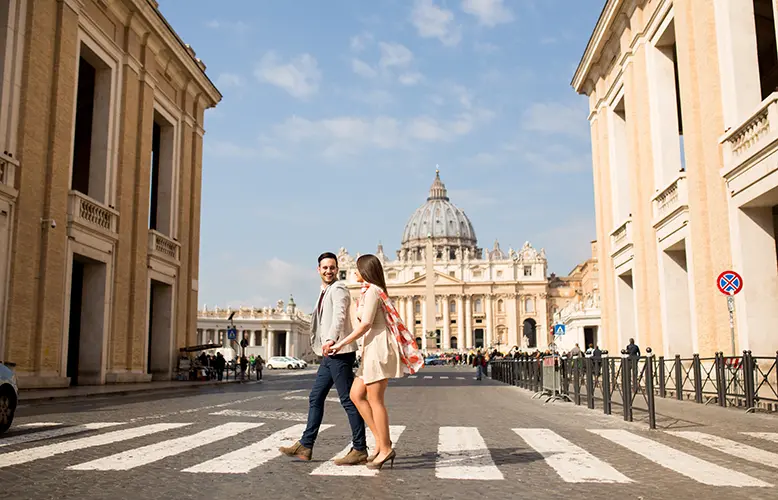
Rome: Explore One Neighborhood at a Time
Rome may be vast, but its greatest treasures are best experienced one neighborhood at a time.
Many of the city’s iconic landmarks naturally cluster together, allowing visitors to walk between the Colosseum, Roman Forum, Trevi Fountain, Pantheon, and Piazza Navona before using public transportation to reach another district.
Taking this neighborhood-by-neighborhood approach transforms Rome into a series of enjoyable walking adventures rather than an exhausting race between attractions.
Milan: Where Modern Design Meets Historic Charm
Italy’s fashion capital offers a different kind of walking experience.
Wide sidewalks, elegant piazzas, and pedestrian-friendly streets make it easy to explore Milan’s cultural highlights, from the Duomo and Galleria Vittorio Emanuele II to Sforza Castle, the artistic Brera district, and the green spaces of Parco Sempione.
Its blend of historic architecture and thoughtful urban planning makes Milan one of Italy’s most comfortable cities to discover on foot.
Tips for Exploring Italy on Foot
Walking through Italy is about more than simply checking landmarks off your list. It’s about discovering the moments in between.
Comfortable walking shoes are essential, especially on centuries-old cobblestone streets. Heading out early in the morning or later in the evening helps avoid the hottest part of the day while also offering beautiful light for photography.
Take time to embrace Italy’s café culture by stopping for an espresso, gelato, or aperitivo. Be sure to carry a reusable water bottle as well—many Italian cities have public fountains where you can refill it throughout the day.
Most importantly, leave room in your itinerary for spontaneous discoveries. Some of Italy’s most memorable experiences happen when you simply wander.
Slow Travel at Its Best
Italy’s most walkable cities remind travelers that unforgettable vacations don’t require packed itineraries or nonstop sightseeing. Instead, they encourage visitors to slow down, appreciate the details, and enjoy the simple pleasure of exploring on foot.
Whether you’re crossing Venice’s iconic bridges, admiring Florence’s Renaissance masterpieces, wandering beneath Bologna’s historic porticoes, or enjoying an evening stroll through Verona, these destinations prove that some of Italy’s richest travel experiences happen one step at a time.
Frequently Asked Questions
What is a 10-minute city?
A 10-minute city is a destination where many major attractions, restaurants, museums, and public spaces are within a short walk of one another, making it easy to explore without needing taxis or public transportation.
Which Italian city is the most walkable?
Florence is often considered Italy’s most walkable city thanks to its compact historic center, where many of its top attractions are only a few minutes apart.
Is Venice completely walkable?
Yes. Venice is entirely car-free, making walking the primary way to explore the city, along with its famous water transportation, including vaporetti (water buses) and gondolas.
Which Italian city is best for slow travel?
Florence, Venice, Verona, and Bologna are all excellent choices for slow travel because their compact historic centers encourage leisurely sightseeing, outdoor cafés, and unexpected discoveries.
Should I take a walking tour in Italy?
Absolutely. Walking tours offer valuable local insight into a city’s history, architecture, and culture, especially for first-time visitors.
What should I pack for a walking vacation in Italy?
Bring comfortable walking shoes, lightweight clothing, a reusable water bottle, sunscreen, sunglasses, and a small daypack for exploring each day.