

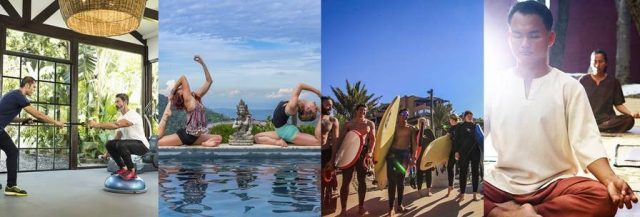
Wellness travel is no longer limited to traditional spa weekends. Today’s wellness-focused vacations can include forest bathing, thermal springs, yoga, meditation, nutritious regional cuisine, outdoor adventures and opportunities to reconnect with nature.
The ideal destination depends partly on the season. A tropical retreat can provide a welcome escape in winter, while summer opens the door to mountain hiking, coastal movement and restorative time outdoors. From an energizing start to the year in Thailand to a peaceful December retreat in Japan, this month-by-month wellness travel guide offers inspiration for every season.
January: Begin the Year in Thailand
January is a natural time to reset, and Thailand combines warm weather with an established culture of massage, meditation and holistic wellness.
Resorts and retreats throughout destinations such as Hua Hin, Phuket, Koh Samui and Chiang Mai offer programs built around yoga, movement, nutritious Thai cuisine and traditional therapies. Travelers can choose a structured retreat or create a more flexible wellness vacation that balances spa treatments with swimming, cultural exploration and time outdoors.
Rather than focusing on restrictive detox programs, look for an experience that supports sustainable habits you can continue after returning home.
February: Reconnect in Costa Rica
Costa Rica is an appealing February destination for couples, solo travelers and friends looking for a warm-weather wellness escape.
The country’s Pacific coast and tropical interior provide opportunities for yoga, surfing, hiking, meditation and wildlife experiences. In Guanacaste, travelers can combine spa time with volcanic landscapes, thermal waters and outdoor adventures. The Nicoya Peninsula is particularly well known for its relaxed pace, beaches and wellness retreats.
For more inspiration, explore DRIFT Travel’s guide to discovery and wellness at Costa Rica’s Río Perdido.
March: Find Balance in Bali
March can be an excellent month to experience Bali’s spiritual and wellness traditions, particularly around Ubud.
Days might begin with yoga overlooking rice fields, followed by a plant-forward breakfast, a traditional Balinese treatment or a walk through the surrounding countryside. Meditation, sound healing and creative workshops are also widely available.
Bali can be busy, so consider staying outside Ubud’s center or choosing a smaller retreat surrounded by forest, farmland or mountains. The quieter setting can make it easier to slow down and engage with the destination beyond its most photographed attractions.
April: Embrace Spring in Portugal
As spring arrives in Europe, Portugal offers a refreshing combination of mild weather, Atlantic scenery and active outdoor experiences.
The Algarve and areas around Lisbon are excellent for walking, cycling, surfing and yoga. Inland retreats may add meditation, farm-to-table dining and nature-based programs. Portugal’s coastal setting also makes it possible to combine structured wellness activities with unscheduled beach time.
Travelers who prefer a city break can build wellness into a Lisbon itinerary through waterfront walks, healthy restaurants, nearby beaches and day trips into the countryside.
May: Walk Through the Greek Islands
Before the peak summer crowds arrive, May is a rewarding time to visit Greece. Pleasant temperatures make walking, swimming and outdoor dining especially enjoyable.
A wellness trip in Greece does not necessarily require a formal retreat. Travelers can create their own restorative itinerary by choosing a quieter island, staying near the water and building each day around simple activities. Morning swims, coastal hikes, fresh Mediterranean cuisine and unhurried evenings can provide a welcome change from everyday routines.
Crete, Paros, Naxos and lesser-visited islands all offer opportunities to combine relaxation with cultural discovery.
June: Recharge in the Canadian Rockies
June brings longer days and greater access to the trails, lakes and mountain scenery of the Canadian Rockies.
Banff, Lake Louise and Jasper offer hiking routes for a range of abilities, along with canoeing, wildlife viewing and scenic drives. Mountain lodges and resort spas provide restorative treatments after a day outdoors.
The most valuable wellness experience may be the simplest: stepping away from screens, breathing fresh mountain air and spending uninterrupted time in nature. Visitors should plan ahead, follow local wildlife guidance and select activities appropriate for their experience and fitness level.
July: Seek Fresh Air in the Alps
When cities become hot and crowded, the European Alps offer cooler air, mountain scenery and countless ways to stay active.
Switzerland, Austria, Italy, France and Slovenia all provide hiking, cycling and lakeside activities during the summer. Many alpine communities also have longstanding spa traditions, including thermal pools, saunas and mineral-water treatments.
A wellness vacation in the Alps can be as active or relaxing as desired. Travelers might spend the morning hiking between mountain villages, enjoy a leisurely lunch and return to a hotel spa for an afternoon swim or treatment.
August: Slow Down in Scandinavia
Scandinavia’s long summer days encourage travelers to spend more time outdoors. Sweden, Norway, Finland and Denmark offer coastal trails, forests, lakes and peaceful countryside retreats.
Wellness experiences here often emphasize simplicity: swimming in clear water, hiking through forests, enjoying a sauna and gathering around fresh seasonal food. In Finland, sauna culture is part of daily life rather than an occasional indulgence. Sweden’s forested landscapes are equally suited to hiking, paddling and quiet cabin stays.
Choose a rural base or small coastal community where the surroundings naturally encourage a slower pace.
September: Explore Ayurveda in India
September can be a meaningful time to explore India’s traditional wellness practices, although weather conditions vary considerably across the country.
Kerala is closely associated with Ayurveda, a traditional Indian system that considers diet, lifestyle, movement and individual wellbeing. Some resorts and specialist retreats offer consultations and personalized programs, while others provide lighter introductions through massage, yoga and regional cuisine.
Travelers considering an intensive Ayurvedic program should research the qualifications of practitioners carefully and discuss any health concerns with an appropriate medical professional before traveling.
October: Restore in Tuscany
With harvest season underway and summer crowds beginning to ease, October offers a slower side of Tuscany.
Walking between hill towns, cycling through the countryside and enjoying seasonal Italian cuisine can become part of an unstructured wellness escape. Tuscany is also home to natural thermal springs and spa towns where bathing traditions reach back centuries.
Instead of trying to see the entire region in one trip, choose one countryside hotel, agriturismo or spa resort as a base. A slower itinerary creates more time for local meals, gentle activity and spontaneous discoveries.
November: Discover Morocco’s Hammam Traditions
Morocco offers warmth, color and centuries-old bathing traditions as temperatures begin to fall elsewhere.
In Marrakech, Fez and other cities, a hammam experience commonly incorporates steam, cleansing and exfoliation. Contemporary hotel spas may provide a more private introduction, while traditional neighborhood hammams offer a local cultural experience. Customs and facilities differ, so first-time visitors should learn what to expect before booking.
Beyond the spa, a Moroccan wellness itinerary might include a stay in the Atlas Mountains, guided walks, garden visits and meals centered on vegetables, herbs, grains and regional spices.
December: Soak in Japan’s Onsen
Few experiences feel as restorative in winter as soaking in a Japanese onsen surrounded by mountain scenery or snow.
An onsen stay can be incorporated into a visit to Hokkaido, Nagano, Kyushu or one of Japan’s many historic hot-spring towns. Staying at a ryokan adds another dimension through tatami rooms, seasonal meals and a slower rhythm of hospitality.
Bathing customs are important, and rules concerning swimwear, washing and tattoos can vary by property. DRIFT Travel’s guide to onsen etiquette can help travelers prepare for the experience.
How to Choose the Right Wellness Vacation
Before reserving a retreat or wellness resort, consider what you actually want from the trip. Some travelers benefit from a structured schedule, while others need freedom and uninterrupted rest.
Ask these questions before booking:
- Are activities optional or mandatory?
- What qualifications do the instructors and practitioners hold?
- Are meals, transfers and treatments included?
- Is the program appropriate for your mobility and fitness level?
- Can dietary requirements be accommodated?
- How much free time is included?
- Are any health or medical claims supported by credible evidence?
It is also important to distinguish wellness travel from medical treatment. Spa therapies, movement and time in nature may support relaxation and general wellbeing, but they should not replace professional medical care.
Making Wellness Part of Every Trip
A wellness vacation does not have to involve an intensive retreat. It can be a few quiet days by the sea, a hiking holiday, a thermal-spring escape or a city break designed around walking, sleep and good food.
The most rewarding experience is often one that feels realistic and personally meaningful. Whether that means practicing yoga in Costa Rica, hiking in the Canadian Rockies or soaking in a Japanese onsen, wellness travel should help you return home feeling restored—not exhausted by an overly ambitious schedule.
For additional ideas, see DRIFT Travel’s collection of wellness retreats for serious wellness seekers.





[…] but not the least, what are you waiting for? Just be a little health conscious and that’s it… The infinite oceans with their spectacular marine world are waiting […]