

Wellness travel has changed a lot in recent years. It used to be mostly about spa trips and yoga retreats, but now it’s a worldwide movement that focuses on mental health, living longer, and building real connections.
By 2026, wellness travel isn’t just a niche anymore—it’s a top priority. People plan their trips so they come home feeling rested, balanced, and reconnected.
Here are some trends that are shaping the future of wellness travel.
1. The Rise of Deep Rest and Nervous System Reset
In 2026, getting real rest is a top priority. Travelers look for experiences that help them relax and recharge, instead of leaving them feeling worn out.
This change comes from people feeling burned out and overwhelmed in daily life. Now, many travelers focus on:
- Sleep-focused retreats
- Digital detox escapes
- Slow, single-destination stays
The aim is to come back home feeling better than when you left, without needing extra time to recover.
2. Longevity Travel and Preventive Wellness
Travel is now more focused on science and real results. Today’s luxury travelers want to invest in their long-term health, not just relax for a few days. relaxation.
Expect to see:
- Advanced diagnostics and health screenings
- Longevity programs focused on aging well
- Personalized nutrition and fitness plans
This trend toward longevity reflects a greater emphasis on prevention and evidence-backed wellness experiences.
3. Nature-Led and Regenerative Travel
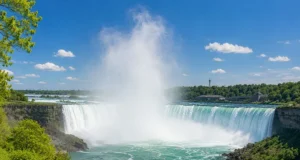
Nature is now at the heart of the wellness experience, not just a background. Travelers are picking places that offer a true ‘nature reset,’ whether that means ocean air, time in the forest, or quiet in the mountains.
Wellness travel is also becoming more sustainable. Regenerative travel, which helps improve local ecosystems and communities, is becoming more popular.
Think:
- Eco-retreats that restore natural habitats
- Farm stays and agritourism experiences
- Conservation-focused travel programs
4. Heat Therapy and Hydrothermal Rituals
Saunas, thermal baths, and hydrotherapy circuits are increasingly popular.
In 2026, these experiences are relaxing, but they’re also social and cultural. They often include music, guided rituals, and a sense of community.
From Nordic saunas to modern spa circuits, heat-based wellness is now a key part of many travel plans.
5. Urban Wellness Escapes
Travelers don’t have to go far to recharge anymore. Urban recovery travel—short, focused wellness breaks in big cities—is becoming more popular.
These experiences focus on:
- Sleep recovery
- Stress reduction
- Physical recovery from work or travel fatigue
These options are made for busy people—they’re efficient, easy to access, and really effective.
6. Personalized and AI-Driven Wellness
Wellness is no longer the same for everyone.
Now, travelers want experiences that are tailored just for them, often using technology:
- Wearables track sleep, stress, and activity
- AI-designed wellness itineraries
- Customized treatments based on individual health data
This move toward personalization is part of a bigger trend toward smarter, data-driven self-care.
7. Social Wellness and Community Connection
Wellness travel was once solitary but is now increasingly social and community-driven.
Travelers are looking for:
- Group retreats with shared experiences
- Wellness clubs and social spas
- Programs that combine connection with self-care
In 2026, wellness is not only about disconnecting but also about reconnecting with others in meaningful ways.
8. Women’s Health Takes Center Stage
A significant shift in wellness travel is the growing focus on women’s health.
Resorts and retreats are now offering programs tailored to:
- Hormonal health
- Menopause support
- Fertility and reproductive wellness
This evolution reflects a more inclusive and holistic approach to wellness travel.
9. The Luxury of Privacy
In an increasingly connected world, privacy has become a valued luxury.
Travelers are increasingly seeking:
- Private villas and secluded retreats
- Low-density, crowd-free destinations
- Personalized, intimate experiences
This trend reflects a broader desire for calm, space, and uninterrupted time to recharge.
10. Wellness as a Lifestyle, Not a Trip
The most significant shift is that wellness travel is no longer limited to a single getaway.
Today’s travelers want experiences that:
- Improve long-term habits
- Support mental clarity and emotional balance
- Extend benefits well beyond the trip
In 2026, wellness travel focuses on lasting transformation rather than temporary escape.
Final Thoughts
Wellness travel has become one of the most dynamic and meaningful segments of the global tourism industry. As travelers prioritize health, balance, and purpose, the future of travel is defined less by destination and more by the experience it provides.
From longevity clinics and nature immersion to social wellness and personalized experiences, 2026 is redefining what it truly means to get away.