
As travelers increasingly move away from crowded tourism experiences in favor of more meaningful and personalized journeys, a new category of sea travel is quietly reshaping the luxury cruise landscape: micro-cruising.
While the term may be relatively new, the concept has been evolving for decades. Companies like TradeWinds have spent more than 25 years offering fully crewed sailing yacht vacations around the world, long before “micro-cruising” became part of the travel conversation. Today, the growing demand for privacy, flexibility, and immersive experiences is bringing this style of travel into the spotlight.
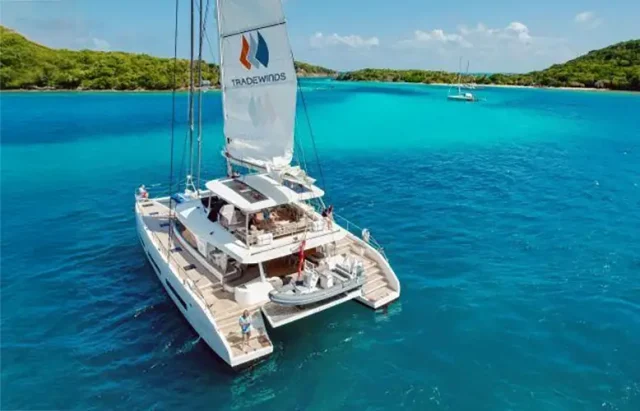
Unlike traditional small-ship cruises, which can still carry hundreds of passengers, micro-cruising is built around genuinely intimate vessels, often accommodating between eight and 24 guests. TradeWinds’ sailing catamarans host a maximum of just 10 guests, creating a vastly different onboard atmosphere from conventional cruising.
The appeal goes far beyond the numbers. At this scale, the experience becomes deeply personal, replacing crowds and rigid itineraries with spontaneity, connection, and the freedom to explore destinations at a slower pace.
“There is a meaningful difference between sailing on a ship with hundreds of fellow passengers and one carrying just 10 guests,” said Neil Parsons, President of TradeWinds. “At this scale, the experience becomes deeply personal. It’s sharing sunrise coffees with fellow guests, adjusting the route to seek out a private cove, or celebrating a perfect day at sea together with the crew.”
That intimacy fundamentally changes how travelers interact with both the destination and one another. Instead of operating on fixed schedules between major cruise ports, micro-cruising prioritizes flexibility and access. Smaller yachts can navigate into hidden coves, remote anchorages, and lesser-visited harbors that larger ships simply cannot reach.
For travelers, that means discovering quieter coastlines, swimming in secluded bays, and spending time in destinations untouched by mass tourism. Routes can also adapt in real time based on weather conditions, guest interests, or overcrowded anchorages, creating a far more fluid and organic style of travel.
The onboard experience reflects the same philosophy. With only a handful of guests aboard, service naturally becomes more attentive and tailored. Meals are prepared around the preferences of the group rather than mass-produced, while dietary requests and personal tastes become part of the overall journey rather than logistical challenges.
It’s the smaller details that often leave the biggest impression — morning coffee prepared exactly how guests like it, sunset dinners anchored in empty bays, or spontaneous stops to snorkel alongside sea turtles in crystal-clear waters.
The social dynamic aboard micro-cruises also differs dramatically from traditional cruising. Guests and crew share daily life together, creating a relaxed atmosphere where connections form naturally through shared experiences at sea. Rather than anonymous service interactions, the crew often becomes part of the memories themselves.
As luxury travelers continue seeking experiences centered around authenticity, wellness, and meaningful connection, micro-cruising appears well-positioned to become one of the travel industry’s fastest-growing segments.
For many travelers, the future of cruising may not be bigger ships or more onboard attractions — but fewer guests, quieter anchorages, and a more personal way to experience the world’s oceans.