Travel Is Becoming More About the Experience Between Stops
For many years, people planned travel by focusing first on destinations. They chose where to stay, what to eat, and which attractions to visit, then treated movement between those points as a secondary detail. That mindset is starting to change. More travelers now recognize that a trip is shaped not only by where they go, but also by how naturally they can move through the places in between. This becomes especially important in coastal towns, scenic backroads, nature areas, mountain communities, and smaller destinations where the route itself carries much of the atmosphere. In those settings, mobility is no longer just a practical question. It becomes part of the travel experience.
A Good Travel Rhythm Usually Comes From Feeling Less Rushed
Most travelers are not looking to hurry through every moment. What they want is a day that feels smooth, flexible, and easy to adjust. A route may change because the weather shifts, because the light becomes better in the afternoon, or simply because one road looks more inviting than another. Those small decisions are often what make a trip feel personal instead of scheduled. The vehicle involved in that process can influence the mood more than many people expect. If it constantly demands attention or makes each movement feel overly technical, the day begins to feel heavier. A better travel machine usually does the opposite. It lowers friction and makes it easier for the traveler to follow curiosity without breaking the flow of the trip.
Travel Riding Should Not Be Reduced to Speed and Range Alone
When buyers begin comparing two-wheel options, they are naturally drawn to visible numbers such as speed, range, and power. Those numbers matter, but travel riding tends to involve a broader set of needs. A travel route may include smooth pavement, light gravel, rolling hills, damp shaded roads, scenic paths, and repeated stop-and-go sections near overlooks or small-town streets. In that kind of environment, the best machine is not simply the one that looks strongest in one category. It is the one that remains calm, natural, and predictable across different kinds of surfaces and changing rhythms. In other words, travel value usually comes from balance rather than from a single dramatic claim.
Stable Feedback Encourages a Rider to Explore More
One of the most valuable feelings in travel is not intensity but reassurance. When riders are on unfamiliar roads, they want the machine to communicate clearly. They want to feel that the bike remains easy to understand when the surface changes, when the route becomes slightly uneven, or when they need to slow down, stop, and start again. If the feedback remains steady, the rider is more likely to go farther, take a scenic detour, or continue into a route that was not part of the original plan. That is why control matters so much in travel-related riding. A machine that makes the rider feel settled tends to create a better trip than one that only creates a strong first impression.
A Well-Chosen electric dirt bike Can Offer Travel Value Beyond Pure Off-Road Use
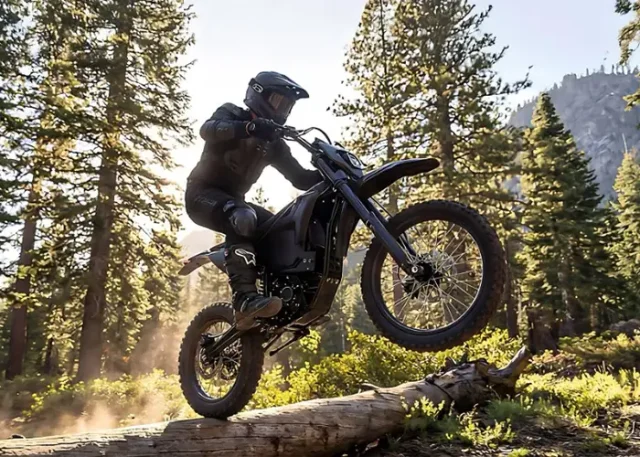
Some riders hear the phrase electric dirt bike and immediately associate it with aggressive riding or specialized terrain. But in travel-related use, that kind of platform can also make sense for a different reason. Many scenic routes are not perfectly uniform. A traveler may move from pavement to light gravel, from a maintained road to a rougher access path, or from a flat route to one with mild climbs and changing surfaces. In those moments, adaptability becomes more important than image. The benefit is not about turning every trip into an extreme ride. It is about having a machine that remains composed, usable, and confidence-inspiring when the route stops being perfectly predictable. For travelers who value freedom in route choice, that quality can make the experience feel much more open.
Comfort Has a Direct Effect on How Far a Traveler Wants to Go
Comfort is often discussed in narrow terms, such as seat softness or whether suspension feels smooth over bumps. In travel, comfort is much broader than that. It includes posture, upper-body fatigue, ease of handling during repeated small turns, and whether the rider still feels relaxed after stopping multiple times for photos, short breaks, or quick route checks. Many travel days lose their shape not because the destination was poor, but because the rider becomes physically tired sooner than expected. A comfortable machine changes that outcome. It makes the day feel longer in a positive way, not because the clock slows down, but because the body is more willing to continue. That extra willingness often leads to the best unplanned moments of a trip.
Range Matters in Travel Because It Creates Psychological Stability
Range is often presented as a simple distance figure, but for travelers, its real meaning is closer to peace of mind. Travel conditions rarely match ideal test conditions. Road texture, elevation changes, wind, stop frequency, and riding behavior all influence real battery use. That means the most useful range is not just the highest published figure. It is the kind of battery behavior that feels stable and understandable throughout the day. Travelers want to know that they can add one more scenic section, stay a little longer at a stop, or take a slightly longer return route without feeling uncertain. In that sense, dependable range supports not just movement, but also confidence, pacing, and freedom of planning.
Buyers looking at electric dirt bikes for sale Are Often Comparing More Than Specifications
On the surface, people browsing electric dirt bikes for sale may appear to be comparing visible categories such as pricing, output, and hardware. But the real comparison often goes deeper. Buyers are also asking themselves whether a bike feels appropriate for the way they want to travel. Will it still feel manageable in an unfamiliar place? Will it remain comfortable across longer routes? Can it handle a day that mixes easier roads with less polished surfaces? These questions are not always written into product descriptions, but they strongly influence decision-making. In travel-oriented buying, adaptability, composure, and lasting ease of use often become more important than whichever number seems most impressive at first glance.
The Best Travel Equipment Lets the Rider Focus on the Place
Good travel equipment should support the trip without dominating it. The same principle applies to a bike. When the machine works naturally in the background, the rider pays more attention to the weather, views, road character, and the feeling of being somewhere different. That is a major part of what makes travel satisfying in the first place. Because of that, choosing a travel-oriented riding platform should not only be about asking how powerful it looks. It should also involve asking how smoothly it fits into a day of movement, pauses, changes, and discoveries. Smoothness matters because it protects the small moments that make a trip memorable.
Finding an experience that better fits the rhythm of travel
The growing attention around brands such as Qronge reflects more than simple market expansion. It also shows that travelers are changing the way they think about mobility. Many people no longer want only a tool that gets them from one point to another. They want something that supports a more flexible, more exploratory, and more personally paced way of moving through a place. That shift helps explain why the conversation around travel bikes is becoming more nuanced. Buyers are paying greater attention to how a machine feels over time, across mixed routes, and within the overall emotional rhythm of a trip. In the end, the most memorable travel rides are often not the loudest ones. They are the ones that move, feel natural enough for the journey itself to become part of what the traveler remembers.