With World Ocean Day approaching, conversations around the future of the planet’s oceans are gaining urgency. In the South Pacific, far from crowded coastlines and industrial shipping lanes, The Islands of Tahiti are already living that conversation through a sweeping commitment to ocean protection that is redefining what stewardship can look like. At the center of this effort is Tainui Atea, the world’s largest marine protected area, safeguarding nearly 5 million square kilometers of ocean across French Polynesia’s Exclusive Economic Zone.
Established in 2018 and strengthened in 2025, the designation reflects a bold, long‑term vision: one that treats the ocean not only as a natural treasure to be preserved, but as a living foundation for culture,identity, and responsible tourism.
“Our ocean is our identity,” said Vaihere Lissant, CEO of Tahiti Tourisme. “It shapes our culture, our communities, and the way we welcome the world. By protecting this heritage, we not only enrich travelers’ experiences but also ensure lasting benefits for our islands and future generations.”
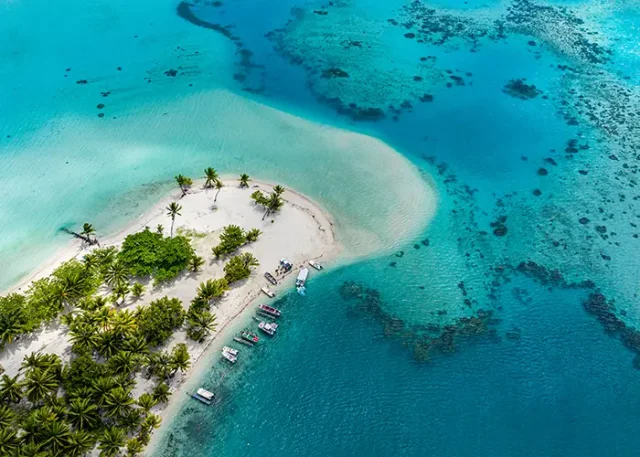
The scale of Tainui Atea is vast, encompassing some of the Pacific’s most remote and ecologically intact marine environments. Among them are the Gambier Islands, where clear lagoons, vibrant reefs, and migratory species have thrived largely untouched by mass development. Here, strict conservation measures—including bans on seabed exploitation and drifting fish aggregating devices—help ensure these waters remain resilient for generations to come.
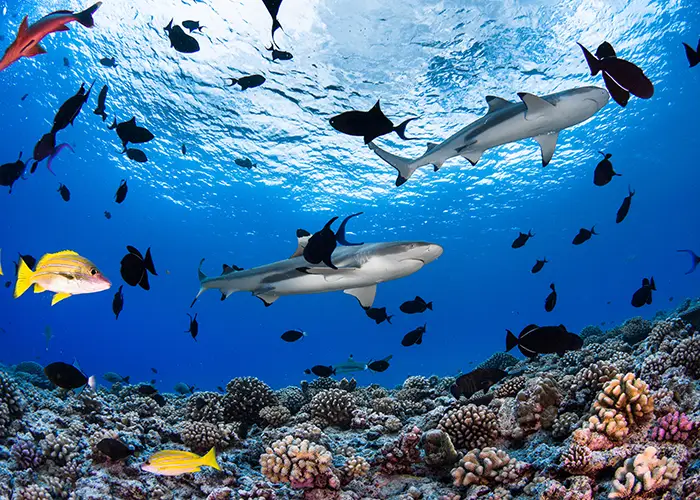
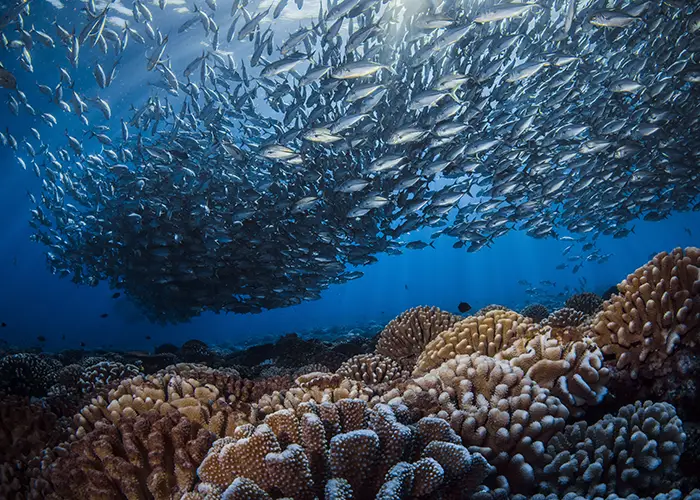
What makes Tainui Atea especially compelling is how it was shaped. The protected area is guided by Indigenous Polynesian knowledge, including the traditional practice of rāhui (an ancestral practice which imposes temporary bans on the harvesting or fishing of certain marine or terrestrial species to ensure their preservation and renewal), alongside modern, science‑based governance. Local communities play a central role in managing the ocean they have depended on for centuries, supported by a long‑term management plan (2023–2037) that emphasizes accountability, adaptability, and shared responsibility.
This territorial‑wide initiative is complemented by a growing network of local marine protected areas across The Islands of Tahiti’s 118 islands, spanning five distinct archipelagos, allowing protection to be tailored to the ecological and cultural character of each region. In the Gambier Islands, now serving as a pilot territory, conservation is paired with small‑scale ecotourism, cultural exchange, and the transmission of traditional knowledge, offering a model where protection enhances both community life and the visitor experience.
This vision also extends to the global stage as The Islands of Tahiti aligns with the UN’s BBNJ (Biodiversity Beyond National Jurisdiction) agreement. By supporting this landmark international treaty, the region recognizes the vital importance of protecting the high seas. This framework enables the creation of Marine Protected Areas in international waters, ensuring that the spirit of stewardship practiced within French Polynesia’s jurisdiction contributes to the preservation of the ocean beyond national borders.
For travelers, this commitment is felt on the water and beneath the surface: healthier reefs, thriving marine life, and preserved lagoons that invite deeper exploration. For local communities, it means safeguarding natural heritage while supporting a tourism model rooted in respect, balance, and long‑term resilience
In an increasingly crowded global conversation about where travel is headed, The Islands of Tahiti offer a rare and powerful example: when the ocean is protected, everything connected to it, from culture to community to travel, can thrive.