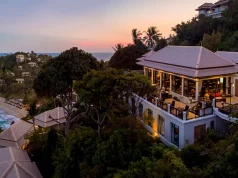

Global luxury hospitality leader Upper House introduces House Locals, a new offering that lets guests discover cities through the people who know them best. Moving beyond traditional luxury service, House Locals connects travelers with a handpicked team of individuals whose expertise is rooted in lived experience: creatives, tastemakers, and specialists who shape the cities they call home. Blending their insider access and curated expertise, travelers across all Upper House properties are given unrivaled insight and access into the cities through the House Locals team, who craft bespoke itineraries and experiences that reveal each destination’s most authentic and extraordinary sides, opening doors typically closed to visitors.
This March, Upper House introduces the first four House Locals to be unveiled, offering a diverse range of culturally-connected specialities and experiences available to guests in Hong Kong, Chengdu, and Shanghai. In addition to these, Upper House will continue to seasonally reveal curated series of House Locals, their insider tips, and their unique access which will be available to guests across Upper House properties.
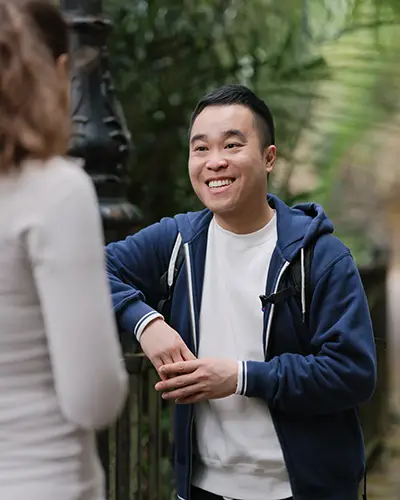
Leo invites guests to experience Hong Kong from a different vantage point. Leading guided hikes along lesser-known trails, he has spent years refining, and sharing insight into neighbourhoods, culture and community through the lens of someone deeply embedded in the beating heart of Hong Kong. Specialising in urban hikes, Leo describes hiking as “the best alternative way to fly”, offering a perspective on the city that moves from skyline to ridgeline within a single morning. At Victoria Peak, the highest point on Hong Kong Island, Leo adapts the well-known hike to suit each guest’s pace, interests, and ability. He also introduces lesser-known variations that offer a different perspective on this well-travelled route. Throughout the walk, Leo shares considered insights, stories, and historical context, giving guests a deeper understanding of both the trail and the city below. For international travellers seeking depth beyond the expected, Leo provides rare access to the city’s natural terrain and cultural backstory, returning guests to Upper House in time for dinner with a new understanding of the place.

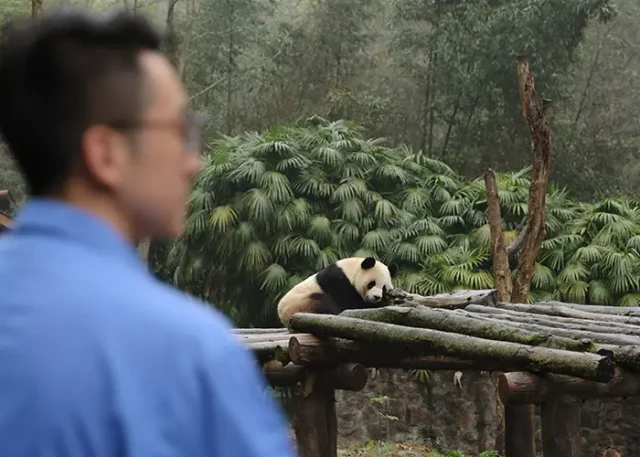
Danny’s connection to Chengdu begins with its most recognisable resident. A visit to the Chengdu Panda Base transformed childhood admiration into something far more personal. “They are real, lively creatures, not just images in books,” he recalls. That moment sparked a lasting fascination that continues to shape how he introduces the city to others. Today, Danny guides Upper House guests beyond simple observation, placing the panda within a broader story of conservation and coexistence. For him, pandas represent far more than a single species. As an umbrella species, the protection of their habitats supports more than 8,000 other species, positioning a panda encounter within one of the world’s most important biodiversity regions. He introduces guests to Dujiangyan Panda Valley for hands-on volunteer experiences that deepen this understanding, offering a closer view of the work behind conservation. Back in the city, the story continues through Chengdu’s relationship with the landscapes that sustain it. Danny often draws a connection to Mi Xun Teahouse, honoured with MICHELIN One Star and Green Star, where seasonal ingredients sourced from communities near panda habitats reflect the same respect for nature that underpins panda conservation, creating a thoughtful link between the mountains, the species they protect, and the food culture of Sichuan.
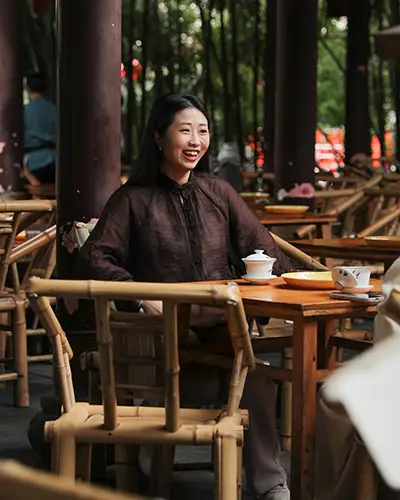
Yvonne’s relationship with tea was not acquired through certification, but through immersion. Raised in Sichuan, she describes tea as something “absorbed rather than studied”, shaped by daily ritual and an instinctive understanding of each leaf’s temperament. Chengdu’s teas mirror the city itself: gentle, unhurried and quietly expressive. Through sessions that feel personal rather than performative, Yvonne introduces travellers to the influence of mist, altitude and soil on flavour, and reveals the tactile precision behind oolong production, where subtle handling determines a tea’s final character. Her approach centres on presence over pageantry, aligning leaf, water and mood in a way that feels grounded and refined. Through private tastings and selecting seasonal teas, she offers international guests far more than a formal ceremony. As any passionate tea master would, Yvonne encourages deeper local engagement, sharing her knowledge of the city’s most respected tea houses and where to experience Chengdu’s tea culture at its most authentic. In doing so, she provides a thoughtful introduction to Sichuan’s landscape, traditions, and pace of life-experienced gradually, one cup at a time.
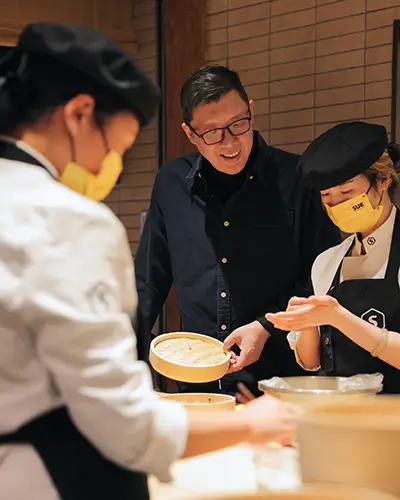
For Chef Tony, soup dumplings are Shanghai’s culinary signature, a “name card for the city” that reflects its openness to global exchange. Following his training as a classic dim sum master, at Sui Tang Li he balances tradition with contemporary influence, serving creative and refined interpretations such as Iberico ham, shaped by the city’s history as an international port. Exacting about technique, he insists a proper dumpling be thin-skinned and semi translucent, filled with abundant broth and sealed with more than 32 pleats. For Upper House guests, he offers private masterclasses and a curated guide to local markets and offerings, while also introducing Shanghai’s seasonal rituals, from autumn’s hairy crab at Yangcheng Lake to the early-morning wine culture of Fengxian in summer. Through these experiences, travellers gain access not only to a dish, but to the rituals, precision, and evolving creativity that shape Shanghai’s dining scene today. Equally, his deep familiarity with the city’s neighbourhood kitchens offers guests rare insight into where to find the most exceptional soup dumplings, often in places known only to locals.