The River Walk may be San Antonio’s best-known attraction, but the city becomes much more interesting when you follow it beyond the downtown restaurants and tour boats. The river leads north toward a former brewery turned culinary neighborhood and south toward centuries-old mission communities. In between are art museums, shaded parks, historic homes and food traditions that tell the story of South Texas.
San Antonio celebrated its 300th anniversary in 2018. Today, that history is a starting point for exploring a city whose Indigenous, Spanish, Mexican, Tejano, African American and European influences are still visible in its architecture, music and kitchens. Give yourself at least a long weekend and let each part of the city set a different pace.
Begin at the Alamo, then explore the other missions
The Alamo is an obvious first stop, but it makes more sense as the beginning of a broader story than as a standalone photo opportunity. Allow time for its exhibits and interpretive material, and check the site’s current visitor information before you go: ongoing improvements around Alamo Plaza can affect how you enter and move through the area.
Then head south to San Antonio Missions National Historical Park, which protects Mission Concepción, Mission San José, Mission San Juan and Mission Espada. Together with the Alamo, these sites form San Antonio’s UNESCO World Heritage designation. The four National Park Service missions are living places as well as historic landmarks, so visitors should approach their churches and grounds respectfully.
Mission San José is a particularly useful place to start because the park’s visitor center and ranger programs provide context for the other sites. Rather than trying to tick off every mission in an hour, devote half a day to the route. Notice the distinct architecture of each complex and consider the lives of the Indigenous people whose labor, knowledge and communities were central to the mission system. The park’s planning page has the latest information on access, tours and getting between sites.
See more of the river than the downtown loop
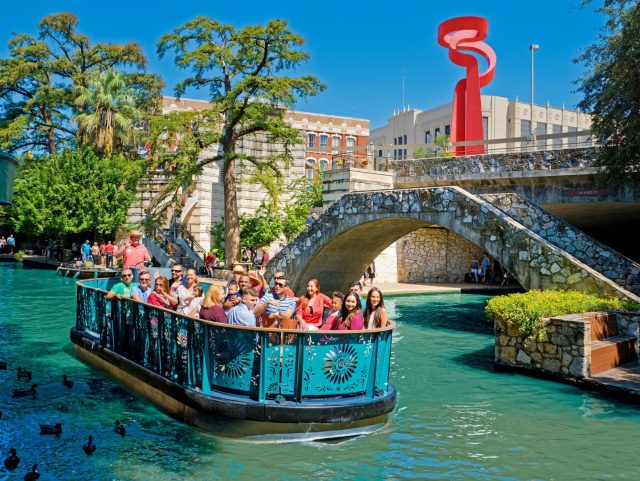
Downtown’s River Walk deserves its reputation. Its stone paths, bridges and waterside patios make it a pleasant introduction to the city, especially in the morning before the busiest hours or after dark when the bridges are illuminated. A narrated trip with GO RIO River Cruises can help first-time visitors understand the layout and history.
But the river changes character as you move away from the central bend. To the north, the Museum Reach connects downtown with the San Antonio Museum of Art and Pearl. To the south, the Mission Reach trades crowds and restaurant terraces for trails, native planting and a quieter approach to the missions. Walk or bike a manageable section instead of treating the full route as a single afternoon outing. The San Antonio River Authority provides trail information and current conditions.
This is one of the best ways to understand how much more San Antonio offers than its most photographed few blocks: the same waterway passes through lively commercial districts, public art, restored landscapes and historic communities.
Spend an afternoon at Pearl
The former Pearl brewery has become one of the city’s most enjoyable places to linger. Pearl brings together locally owned shops, restaurants, a weekend market, music and public gathering spaces. Its old industrial buildings offer a useful contrast to the colonial-era sites farther south, showing another chapter of San Antonio’s working past.
Come hungry, but leave time to browse. A market visit gives you a chance to meet regional growers and makers; an evening visit has a different energy as people gather for drinks and dinner. Check Pearl’s event calendar for performances and community celebrations during your stay. The neighborhood is also a convenient starting point for a stroll along the Museum Reach.
For a longer culinary wander, look at the eateries and specialty food businesses around Pearl rather than committing every meal to one restaurant. The goal is to taste the neighborhood as well as see it.
Let the food explain the city
San Antonio’s food culture reaches well beyond a plate of Tex-Mex. Breakfast tacos, tamales, pan dulce, barbecue and contemporary chef-led cooking all reflect a city shaped by generations of migration and exchange. San Antonio is part of the UNESCO Creative Cities of Gastronomy network, a recognition rooted in its culinary heritage as well as its present-day restaurants.
Start simply: pick up breakfast tacos in a neighborhood café, visit a bakery for pan dulce, then build an evening around a chef or cuisine you would not find at home. Pearl makes it easy to sample newer approaches to local ingredients, while the broader city rewards travelers who venture beyond the central tourist district. The official dining guide is a useful place to check current openings before choosing specific restaurants.
Food is also a way into the city’s history. Visit San Antonio’s culinary heritage guide traces the influence of Indigenous foodways, the missions, Mexican families, German brewing traditions and San Antonio’s historic Chili Queens. Reading a little of that history before dinner makes the meal feel connected to a place rather than simply a reservation.
Make room for art and neighborhoods
Art lovers can build an entire day around the San Antonio Museum of Art, housed in a former brewery near the river, and the McNay Art Museum, whose collection and grounds make it worth the short trip beyond downtown. Check exhibition schedules before visiting, since temporary shows offer a fresh reason to return.
Closer to downtown, wander the historic streets of King William and nearby Southtown, where old houses, galleries, cafés and independent businesses give the city a different texture from the River Walk. Hemisfair, the site of the 1968 world’s fair, has evolved into a collection of public spaces; its current calendar can help you pair a stroll or family playtime with an event. The San Antonio Botanical Garden offers another change of pace when you want some shade and time outdoors.
If your dates line up with Fiesta San Antonio, expect parades, music and celebrations across the city. Treat its annual schedule as something to check while planning, rather than assuming a past year’s event or venue will return unchanged.
Where to stay in San Antonio
Choose a base that fits the trip you want to take. Downtown puts the Alamo, River Walk and several museums within easy reach. Pearl works well for travelers who want restaurants and market mornings near their hotel. You can reach the southern missions from either area by car, rideshare or a planned bike outing.
- Hotel Emma occupies a former brewhouse at Pearl and places guests in the middle of the district’s restaurants and shops.
- The St. Anthony is a historic downtown hotel near Travis Park, convenient for the Alamo and central River Walk.
A simple three-day San Antonio itinerary
On your first day, tour the Alamo, walk the downtown River Walk and take a river cruise if you want an overview. Save the evening for dinner downtown or in Southtown. On day two, spend the morning at Mission San José and continue to at least one other mission; return by way of the Mission Reach, allowing time to walk a short stretch. On day three, pair the San Antonio Museum of Art with a river walk to Pearl, lunch or market browsing, and an afternoon at the McNay or Botanical Garden.
That itinerary leaves room for the best part of San Antonio: stopping when a courtyard, gallery, bakery or conversation draws you in. The city’s history is substantial, but its culture is still being made every day.