
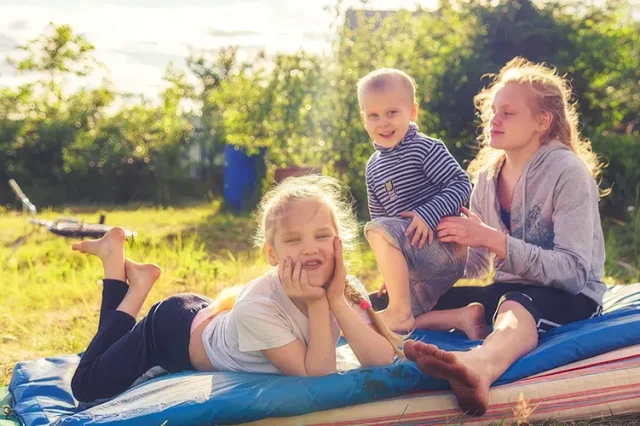
Every parent knows the feeling. You spend months planning the perfect family holiday, the first few days are magical, and then by day four someone announces they are bored. The pool has lost its sparkle, the room service menu has been memorised, and the kids are quietly drifting toward their screens. Long vacations are wonderful in theory, but keeping children genuinely engaged across a full week or two takes a little thought.
The good news is that you do not need a packed itinerary or a small fortune in activity bookings. With the right gear, a loose daily rhythm, and a bit of curiosity about where you are, long trips can become some of the most active and inspiring weeks of your child’s year.
Why Movement Matters More on Long Trips Than Short Ones
Short weekend breaks usually run on novelty. Everything is new, exciting, and over before anyone has time to get restless. Longer trips are a different animal.
The energy problem on extended holidays
When children are pulled out of their regular school, sport, and play routines for more than a few days, the energy has to go somewhere. If it does not get burned off, it tends to come out as bickering, poor sleep, or that very specific brand of holiday meltdown that always seems to happen at restaurants.
The mental side of staying inspired
Being active is not only about the body. Kids on long trips also need fresh challenges and small adventures to look forward to. A child who is mentally engaged in what they are doing rarely complains about being bored.
Setting realistic expectations
You do not need to schedule every hour. One or two intentional activities a day is usually enough. The rest can be free time, downtime, or whatever the kids dream up themselves.
Packing With Activity in Mind
What you pack quietly decides what your kids will actually do once you arrive. If sports gear gets left at home, it almost never gets replaced on the road.
Choosing gear that travels well
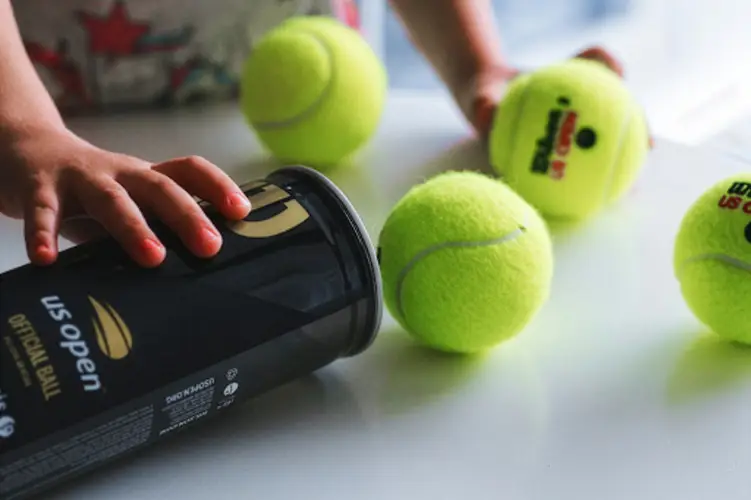
Think light, packable, and versatile. A swimsuit, a pair of proper sports shoes, a frisbee, a skipping rope, and maybe a small football will earn their place in any suitcase. These tiny additions unlock hours of activity without taking up real space.
Bringing along familiar equipment
If your child plays a particular sport at home, bringing their own gear keeps the momentum going. For young tennis players in particular, having properly sized junior tennis racquets makes a real difference. They are lighter, easier to swing, and far more comfortable than borrowed adult equipment, which means your child is much more likely to actually pick them up at a hotel court or local club. Familiar gear also gives kids a sense of ownership over their holiday activity, which tends to translate into them suggesting a hit rather than you having to nag them into one.
A simple checklist before you leave
Lay everything out the night before you pack. Sports shoes, sun hat, water bottle, swimwear, the child’s own equipment, and a small first-aid kit. If it is in front of you, it gets packed.
Building a Loose Daily Rhythm Around Activity
Once you arrive, a gentle rhythm works far better than a strict timetable.
The morning movement habit
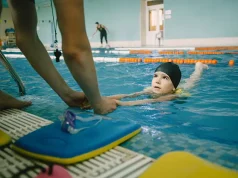
Make mornings your active window. The weather is cooler, the kids are fresher, and getting moving early sets a positive tone for the whole day. A swim before breakfast, a beach walk, or a quick hit on the courts can shift everyone’s mood.
Mixing structured and unstructured time
Try to balance one planned activity, like a guided hike or a lesson, with plenty of unstructured time for the kids to just play. Both matter. Structure gives them something to anticipate, and free time lets them invent their own fun.
Letting children choose
Hand them some control. Let each child pick at least one activity a day, even if it is something small like choosing the pool over the beach. Ownership reduces resistance and makes them actual participants in the holiday rather than passengers.
Turning the Destination Itself Into a Playground
The single biggest trick to an active family holiday is using the place you are in, instead of trying to import entertainment.
Choosing accommodation with active amenities
When you book, look for pools, courts, bike rentals, walking trails, or kids’ clubs. These features do half the parenting for you, which is exactly why so many family retreats are now designed around active amenities. A resort with a free tennis court will get used. A villa with a pool will be lived in.
Exploring local sports culture
Most destinations have a sport stitched into their identity. Surfing in Australia, football in Europe, cycling in the Netherlands, cricket in parts of Asia. A single drop-in clinic or a junior match can spark a new interest your child takes home with them.
Nature as the easiest gym
Beaches, forest trails, lakes, and parks cost nothing and tire kids out beautifully. A scavenger hunt for five different leaves works on children who would flat-out refuse a walk. Reframing exercise as exploration is one of the oldest parenting tricks, and it still works.
Keeping the Inspiration Going After the Trip
The best holidays leave something behind that lasts longer than the tan.
Capturing what they loved
Pay attention to which activities lit your child up. A particular sport, a kind of landscape, a new skill. Those are clues worth following when you get home.
Bringing a small ritual home
Pick one habit to carry back. A weekly family swim, a Saturday morning hit on the courts, a monthly bushwalk. Continuity is what turns a holiday spark into a lasting interest, and it costs nothing.
Planning the next trip with their input
Let your kids help shape the next holiday around what they discovered. It keeps them invested, gives them something to look forward to, and quietly teaches them that being active is part of how your family travels.
Conclusion
Long family vacations are a gift, but only when everyone stays genuinely engaged. The combination of thoughtful packing, a gentle daily rhythm, the right kind of destination, and a willingness to follow your child’s interests can turn a long trip into something that actually shapes them. You do not need to entertain your kids every minute. You just need to give them the space, the tools, and a little encouragement to find out what they love being active for.
Frequently Asked Questions
How much daily activity is enough for kids on holiday?
One to two hours of meaningful movement a day is usually plenty. Anything beyond that tends to be a bonus.
What if my child resists sport at home but I still want them active on holiday?
Reframe it. Call it an adventure, an exploration, or a game rather than exercise. Swimming, scavenger hunts, and beach play all count.
Should I bring sports equipment or rent at the destination?
Bring it if your child plays regularly and the gear is easy to pack. Rent if it is bulky, expensive, or only needed occasionally.
How do I keep teenagers active and engaged on long trips?
Give them more control. Let them plan a day, pick the activities, or invite a friend along if possible. Autonomy beats instruction every time.