
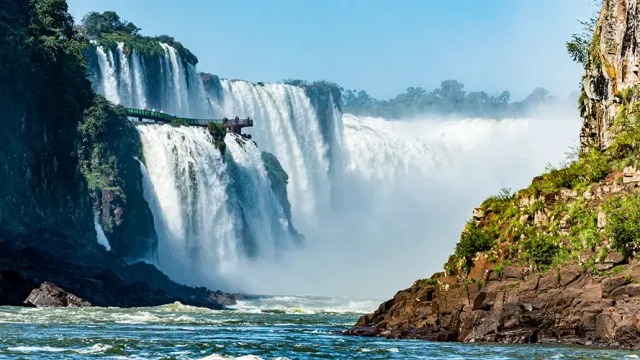
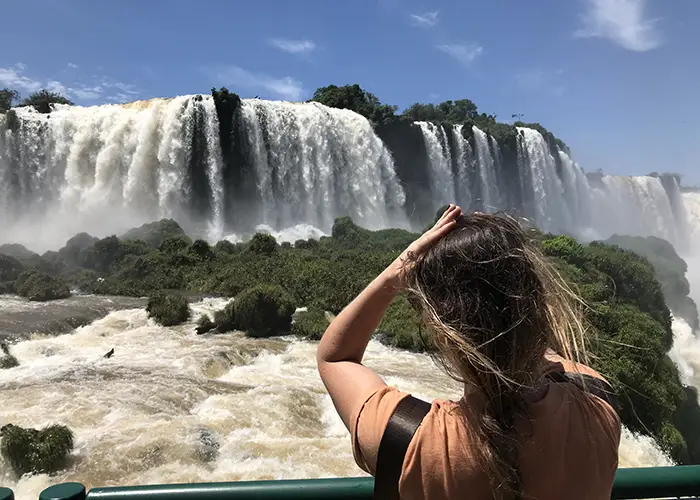
When travelers think of Iguassu Falls, the first image that comes to mind is the thunderous cascade of water stretching across the border of Brazil and Argentina. One of South America’s most iconic natural wonders, the falls draw visitors from around the world with their immense scale and breathtaking beauty. But beyond the mist and panoramic viewpoints lies another side of the destination rich in culture, cuisine, and multicultural identity.
Located in the vibrant city of Foz do Iguaçu, Iguassu Falls is more than a bucket-list attraction. The surrounding region is shaped by a blend of Brazilian, Paraguayan, and Argentine influences, creating a destination where traditions, flavors, and stories intertwine.
A Culinary Journey Through Three Cultures
The gastronomy of Iguassu is as dynamic as the landscape itself. Thanks to its location at the crossroads of Brazil, Paraguay, and Argentina, the region has developed a food culture that reflects a rich mix of traditions and ingredients.
Visitors can savor premium Argentine-style barbecue, where expertly grilled cuts of meat are paired with bold local wines. Paraguayan culinary traditions also play an important role, particularly dishes like chipa — a beloved cheese bread made with cassava starch — alongside hearty soups and corn-based specialties.
Brazilian influences are equally woven into the local dining scene. Middle Eastern flavors introduced through immigration have become part of life in Foz do Iguaçu, with dishes such as kibbeh, esfiha, and tabbouleh widely enjoyed throughout the city. Freshwater fish from nearby rivers, tropical fruits, and locally sourced ingredients enrich the region’s diverse culinary identity.
Dining here is more than simply enjoying a meal; it is an opportunity to experience the intersection of cultures that have shaped this unique corner of South America.
A City Defined by Diversity
Long before European settlers arrived, the Iguassu region was home to Indigenous communities whose cultural influence remains deeply rooted there today. Over time, waves of immigration from countries including Lebanon, Paraguay, Argentina, and beyond transformed Foz do Iguaçu into one of Brazil’s most multicultural cities.
Today, more than 80 nationalities are represented within the community, creating a vibrant social fabric expressed through art, music, language, cuisine, and local traditions. This diversity is one of the destination’s defining characteristics and gives visitors an experience that extends far beyond sightseeing.
Markets, cafés, cultural centers, and festivals throughout the city reflect this blend of global influences while maintaining a distinctly Brazilian spirit.
Nature Meets Authentic Experiences
While the falls remain the centerpiece of any visit, the surrounding region offers many opportunities to connect with nature and local culture. Travelers can explore rainforest trails, encounter exotic wildlife, take boat excursions beneath the waterfalls, or visit nearby communities to gain a deeper understanding of the region’s heritage.
The nearby Iguaçu National Park provides access to one of the world’s most biodiverse ecosystems, where lush Atlantic rainforest shelters toucans, jaguars, butterflies, and countless plant species.
For travelers seeking a more immersive South American experience, Iguassu offers something increasingly rare: a destination where natural beauty and cultural authenticity coexist.
Why Iguassu Falls Deserves More Than a Day Trip
Many visitors arrive at Iguassu Falls expecting a quick stop to admire the waterfalls before continuing their journey through South America. But those who stay longer quickly discover a destination layered with stories, flavors, and traditions that deserve exploration.
From multicultural cuisine and warm hospitality to unforgettable natural scenery, Iguassu reveals itself as far more than a famous landmark. It is a place where borders blur, cultures connect, and every experience feels shaped by the region’s spirit.
FAQs About Visiting Iguassu Falls
Where is Iguassu Falls located?
Iguassu Falls sits on the border between Brazil and Argentina, near the city of Foz do Iguaçu and Puerto Iguazú in Argentina.
Which side of Iguassu Falls is better to visit?
Both sides offer different experiences. The Brazilian side provides sweeping panoramic views, while the Argentine side allows visitors to get closer to many of the waterfalls through extensive walking trails.
How many days should you spend at Iguassu Falls?
Most travelers should plan at least two to three days to fully experience the waterfalls, nearby rainforest activities, and the cultural attractions in the surrounding region.
What is the best time of year to visit Iguassu Falls?
Iguassu Falls can be visited year-round, though the months between March and May and August to October often provide pleasant temperatures and fewer crowds.
What food should you try in Iguassu?
Visitors should try Argentine barbecue, Paraguayan chipa bread, Brazilian freshwater fish dishes, and the city’s popular Middle Eastern-inspired cuisine.
Is Iguassu Falls family friendly?
Yes. The region offers family-friendly walking trails, wildlife experiences, boat tours, and cultural attractions suitable for travelers of all ages.