
Africa’s great wildlife destinations are not interchangeable. One reserve may be defined by elephants moving through dry riverbeds, while another is shaped by seasonal floodwaters, vast salt pans or rainforest-covered mountains. Choosing where to go depends on the animals you hope to see, the landscapes you want to explore and whether your ideal safari unfolds by vehicle, boat, canoe or on foot.
From the wetlands of Botswana to the chimpanzee forests of western Tanzania, these seven destinations offer some of the continent’s most rewarding wildlife adventures.
Mashatu Game Reserve, Botswana: Elephants, Leopards and Photography
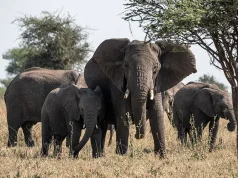
Set within Botswana’s Northern Tuli region, Mashatu Game Reserve combines open plains, rocky outcrops, riverine woodland and broad, sandy riverbeds. It is often called the “Land of the Giants,” a reference to its large elephant population, enormous baobab trees and expansive landscapes.
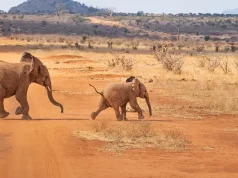
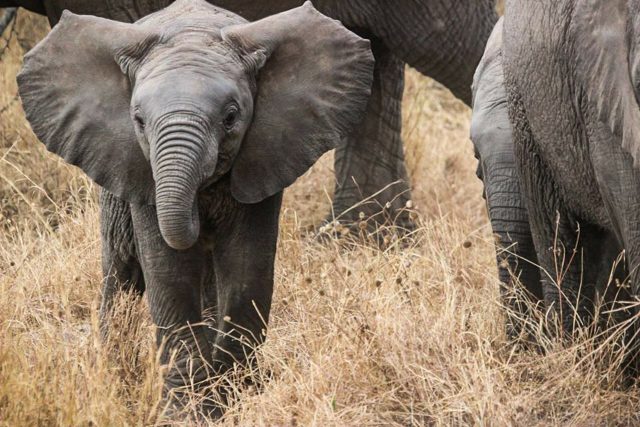
Elephants and leopards are among Mashatu’s signature sightings, but the reserve also supports lions, cheetahs, spotted hyenas, African wild dogs, giraffes, zebras and numerous antelope species. Game drives follow established tracks as well as dry riverbeds that frequently become wildlife corridors.
Mashatu is particularly appealing to photographers. In addition to guided drives, specialized photographic hides allow guests to observe animals from ground level as they approach water. The resulting perspective can be dramatically different from photographs taken from a safari vehicle.
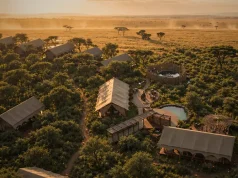
Several accommodations operate within the reserve, including Mashatu Lodge, Tuli Safari Lodge Mashatu and the private Euphorbia Mashatu villas. Activities and age requirements vary between properties, so travelers should review the current options before choosing a lodge.
When to go: May through October generally brings dry conditions and concentrated wildlife viewing. The greener months from November through April offer dramatic skies, migratory birds, newborn animals and more colorful scenery.
Best for: Elephant encounters, leopard sightings and wildlife photography.
Etosha National Park, Namibia: Wildlife Around the Waterholes
Northern Namibia’s Etosha National Park covers approximately 22,270 square kilometers. Its defining feature is the enormous Etosha Pan, a pale salt flat that can appear almost otherworldly beneath the intense Namibian sky.
During the dry season, wildlife congregates around natural and artificial waterholes. Rather than spending the entire day searching through dense vegetation, visitors can park at a waterhole and wait for the animals to arrive. Elephants, giraffes, zebras, springbok, oryx, lions and endangered black rhinos may all appear.
Several rest camps operated by Namibia Wildlife Resorts provide accommodations inside the park. Okaukuejo is especially well known for its floodlit waterhole, where guests can continue watching wildlife after sunset. Halali and Namutoni also provide useful bases for exploring the central and eastern sections of the park.
Etosha works particularly well for independent travelers because much of it can be explored on a self-drive safari. Guided drives are also available for those who prefer the knowledge of a professional guide.
A major wildfire affected portions of Etosha in 2025, but the main camps, visitor routes and waterhole circuits continue to operate. Travelers should nevertheless check current road conditions before entering, particularly after heavy rain.
When to go: Wildlife is generally easiest to find during the dry season from May through October. The summer rains transform the landscape and attract migratory birds, while temporary water in the salt pan can draw flamingos after sufficiently wet conditions.
Best for: Self-drive safaris, black rhinos and waterhole photography.
Serengeti National Park, Tanzania: Following the Great Migration
Few names carry as much safari mythology as the Serengeti. Covering approximately 14,763 square kilometers in northern Tanzania, the national park protects grasslands, wooded savanna, kopjes and river systems within the much larger Serengeti ecosystem.
Its most famous spectacle is the Great Migration, during which vast herds of wildebeest, zebras and gazelles follow fresh grazing and water through Tanzania and Kenya. Predators—including lions, cheetahs, leopards and spotted hyenas—move through the same ecosystem.
The migration is a continuous cycle rather than an event held in one location on fixed dates. Calving usually occurs on the southern plains early in the year. The herds generally move toward the western corridor as the dry season approaches and then into the northern Serengeti and Kenya’s Maasai Mara later in the year. Rainfall can accelerate, delay or redirect these movements.
Even when the largest herds are elsewhere, the Serengeti remains an exceptional wildlife destination. Resident animals provide year-round game viewing, particularly around the central Seronera region. Travelers can explore by safari vehicle, while selected areas also offer guided walks and sunrise balloon safaris.
Because the park is enormous, choosing the correct region is more important than simply booking a “Serengeti safari.” Travelers hoping to see a particular stage of the migration should select their camp only after discussing expected herd movements with an experienced specialist.
When to go: January and February are popular for the calving season, while June through October generally offers dry conditions and migration viewing in the western and northern regions. These are approximate patterns rather than guarantees.
Best for: Big cats, enormous landscapes and the Great Migration.
Kruger National Park, South Africa: An Accessible First Safari
Kruger National Park is one of Africa’s largest and most accessible wildlife areas. Extending across northeastern South Africa, it offers an extensive road network, multiple entrance gates and accommodations ranging from campsites and self-catering bungalows to private luxury lodges.
Visitors can explore in their own vehicles, join a guided game drive or reserve one of the park’s guided walks and wilderness trails. This flexibility makes Kruger an excellent choice for both first-time safari travelers and experienced wildlife enthusiasts.
The park supports the Big Five—lion, leopard, elephant, rhinoceros and buffalo—along with cheetahs, African wild dogs, hippos, crocodiles and numerous antelope species. Birders have more than 500 recorded species to look for.
Kruger’s southern region generally has more roads, camps and visitors, along with productive wildlife habitat. The central section is known for open grazing country and predators, while the far north offers a quieter atmosphere, distinctive landscapes and particularly rewarding birdlife.
Travelers can stay in rest camps managed by South African National Parks or in private concessions located within the greater Kruger ecosystem. The experience varies considerably: a self-drive trip provides independence and value, while a private lodge typically includes guided drives, meals and a more personalized program.
When to go: The dry winter months, roughly May through September, make wildlife easier to spot around rivers and waterholes. The summer months are hotter and wetter but bring lush scenery, newborn animals and migratory birds.
Best for: First safaris, self-driving, varied budgets and the Big Five.
Moremi Game Reserve, Botswana: Land and Water in the Okavango Delta
Moremi Game Reserve protects close to 5,000 square kilometers on the eastern side of Botswana’s Okavango Delta. Its landscape shifts between mopane woodland, open savanna, seasonal floodplains, permanent lagoons and reed-lined waterways.
That diversity allows visitors to experience both land- and water-based safaris. Traditional game drives search for elephants, buffalo, lions, leopards and African wild dogs, while boating and mokoro excursions reveal the quieter side of the delta. From the water, travelers may see hippos, crocodiles, red lechwe, elephants and an impressive range of aquatic birds.
Available activities depend heavily on where a camp is located and how much water is present. Some camps can offer boating throughout the year, while others depend on seasonal flood levels.
It is also important to distinguish the public game reserve from neighboring private concessions. Inside Moremi, vehicles must generally remain on designated tracks, and night drives and walking safaris are restricted. Private concessions outside or adjoining the reserve may permit guided walks, night drives and off-road wildlife viewing.
Experienced self-drivers can enter Moremi, but sandy tracks, deep water, wildlife and limited services make it considerably more demanding than Kruger or Etosha. Most international visitors arrive by light aircraft and stay at a lodge that includes guided activities.
When to go: Floodwaters generally spread through the delta from May into August, expanding opportunities for boating and mokoro excursions. September and October can produce excellent wildlife concentrations, although daytime temperatures rise. The green season brings migratory birds, newborn animals and fewer visitors.
Best for: Combining game drives with boat or mokoro safaris.
South Luangwa National Park, Zambia: The Home of the Walking Safari
Zambia’s South Luangwa National Park is one of Africa’s great destinations for exploring wildlife on foot. The Luangwa River, oxbow lagoons, grasslands and woodlands support elephants, buffalo, hippos, crocodiles, lions, leopards and endemic subspecies such as Thornicroft’s giraffe.
Walking safaris range from relatively short outings near a lodge to mobile journeys between remote bush camps. Participants travel with trained guides and armed wildlife scouts, learning to interpret tracks, sounds, plants, insects and animal behavior.
Walking changes the scale of a safari. Instead of concentrating exclusively on large animals, travelers begin noticing details that are easily missed from a vehicle: a fresh paw print, an alarm call, a dung beetle at work or the direction of the wind.
South Luangwa is also known for excellent vehicle safaris. Day and night drives complement walking excursions and increase the chances of seeing leopards, lions, hyenas and other nocturnal wildlife. Travelers do not need to spend their entire safari on foot; many camps combine walking with morning and evening drives.
Because walking takes place in unfenced wilderness, travelers should choose an established operator, disclose health or mobility concerns and follow the guide’s instructions without exception.
When to go: The dry season from approximately May through October is the principal safari period, with wildlife increasingly concentrated around the river as conditions become drier. The rainy “emerald season” brings lush landscapes, prolific birdlife and dramatic storms, although some remote camps close and certain roads become inaccessible.
Best for: Guided walking safaris, leopards and immersive bush experiences.
Mahale Mountains National Park, Tanzania: Tracking Wild Chimpanzees
On the eastern shore of Lake Tanganyika, Mahale Mountains National Park feels far removed from the classic grassland safari. Forested mountains rise behind clear water and pale beaches, creating one of East Africa’s most striking wilderness settings.
Mahale was established in part to protect its chimpanzee population. Its habituated chimpanzee communities can be visited on guided forest treks conducted under park rules. Rangers search for signs such as calls, nests and fresh tracks before leading visitors through the forest.
The difficulty and duration of a trek depend on where the chimpanzees are feeding that day. At times they may be found relatively close to the lakeshore; on other days, reaching them can require a humid and demanding climb. Sightings are never guaranteed.
Health regulations are especially important because chimpanzees can contract illnesses from humans. Visitors who are sick may not be permitted to trek, and viewing distances and time limits must be respected.
Mahale is remote. Most travelers arrive by chartered or scheduled safari flight followed by a boat transfer to their camp. Longer approaches from Kigoma may combine road and lake transportation. Once inside the park, exploration is largely conducted on foot or by boat rather than by conventional safari vehicle.
Beyond chimpanzee trekking, visitors can hike, watch birds, cruise along Lake Tanganyika and relax on beaches that seem almost impossibly tropical for an inland African destination.
When to go: May through October generally offers drier trekking conditions and easier chimpanzee viewing. From November through April, the forest is greener, waterfalls are stronger and birdlife is particularly active, but rain can make trails more challenging.
Best for: Chimpanzee trekking, remote wilderness and combining forest with lake scenery.
Which African Wildlife Adventure Is Right for You?
The best destination depends on the experience you value most.
Choose Mashatu for elephants, leopards and specialist photography. Select Etosha if you want an approachable self-drive safari centered on productive waterholes. Head to the Serengeti for sweeping plains, big cats and the moving spectacle of the Great Migration.
Kruger offers the widest range of accommodations and is one of the easiest places to organize a first safari. Moremi is ideal for travelers who want to combine vehicle safaris with the waterways of the Okavango Delta. South Luangwaexcels at guided walking, while Mahale provides the rare opportunity to track wild chimpanzees in a remote mountain forest.
Planning a Responsible Safari
Whichever destination you choose, wildlife should determine the encounter—not the visitor. A responsible operator will respect viewing distances, avoid surrounding animals with vehicles and never pressure wildlife into changing direction for a photograph.
Ask prospective operators about guide qualifications, group sizes, conservation policies and relationships with surrounding communities. Find out which activities are included and which depend on seasonal water, weather or wildlife movements.
A good safari does more than produce a checklist of species. It creates time to observe behavior, understand the landscape and appreciate the people working to protect it. Whether that means waiting beside an Etosha waterhole, drifting through the Okavango in a mokoro or following chimpanzee calls into Mahale’s forest, Africa’s finest wildlife adventures reward patience as much as distance traveled.