

The Yukon may be best known for towering mountains, northern lights and gold rush history, but its culinary scene deserves a place on the travel itinerary too. Across the territory, chefs, farmers, bakers, brewers and small-scale producers are finding creative ways to work with northern ingredients and a remarkably short growing season.
Whitehorse offers the greatest concentration of restaurants, cafés and breweries, while Dawson City brings its own combination of seasonal dining, historic saloons and relaxed patios under the midnight sun. Together, they make a compelling destination for travelers who like to experience a place through its food.
What Does Yukon Food Taste Like?
There is no single dish that defines Yukon cuisine. Instead, the territory’s food identity is shaped by its landscape, cultural diversity and the resourcefulness required to produce food in the North.
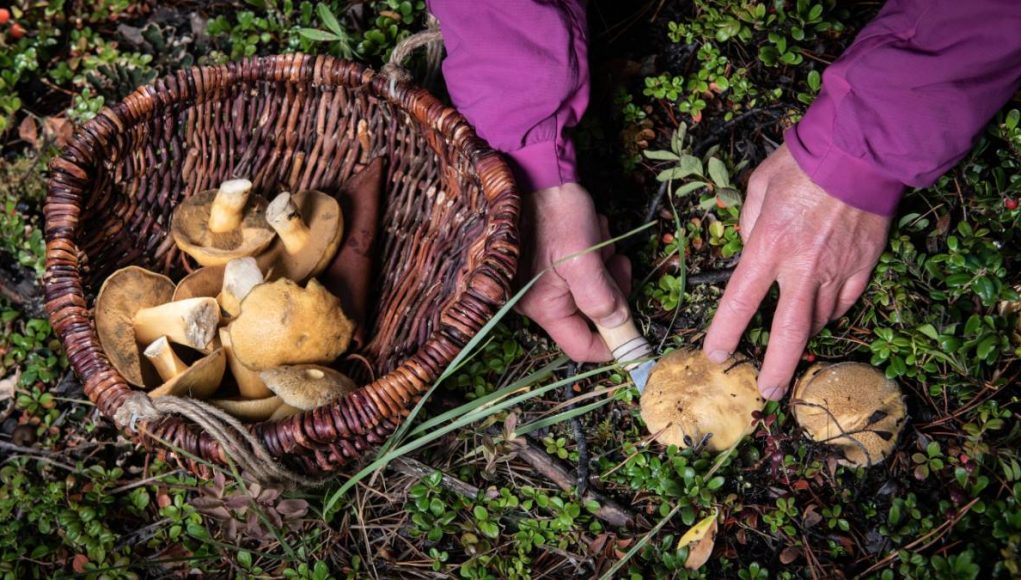
Depending on the season and restaurant, travelers may encounter Arctic char, locally raised meat, root vegetables, wild mushrooms, haskap berries, birch syrup, preserves and baked goods made with Yukon-grown grain. The territorial government’s directory of Yukon-grown food producers includes farms, fisheries, bakeries and processors supplying everything from fresh greens and free-range eggs to elk, honey and wild berry preserves.
Restaurant menus change frequently, so visitors should think of Yukon ingredients as possibilities rather than guaranteed dishes. Asking what is local or seasonal is often the best way to discover something interesting.
Begin at Whitehorse’s Fireweed Community Market
Travelers visiting Whitehorse in summer should try to arrange their itinerary around the Fireweed Community Market. Held at Shipyards Park on Thursday afternoons during its summer season, the market brings together local growers, bakers, prepared-food vendors and artisans in a scenic setting near the Yukon River.
This is one of the easiest places to see what can be grown and produced in the North. The selection changes through the season, but visitors may find vegetables, preserves, baked goods, locally prepared snacks and products made with Yukon berries or other foraged ingredients.
Fireweed also holds a winter market, although dates, hours and venues should always be confirmed before visiting.
Where to Eat Breakfast and Brunch in Whitehorse
Burnt Toast Café remains a dependable downtown choice for breakfast, brunch or lunch. Its menu moves beyond standard diner fare, offering creative comfort food, sandwiches, salads and substantial dishes suited to travelers heading out for a day of sightseeing.
Coffee drinkers can also seek out Midnight Sun Coffee Roasters, a family-owned Whitehorse roastery that has been roasting small batches of coffee since 1997. Picking up locally roasted beans makes an easy Yukon souvenir that does not take up much room in a suitcase.
Because independent cafés sometimes adjust their hours seasonally, it is worth checking current opening times before setting out.
Explore Whitehorse’s International Food Scene
One of the most interesting characteristics of dining in Whitehorse is its international range. The city’s relatively small population includes people from around the world, and that diversity is reflected in its restaurants.
Gather Café and Taphouse occupies a distinctive space beside Lumel Studios. Its tacos, drinks and casual dishes are served on artisan glassware and pottery, while the restaurant emphasizes collaboration with other Yukon businesses and the use of locally sourced ingredients whenever practical.
Antoinette’s Restaurant continues to bring Caribbean and international influences to downtown Whitehorse. Its colorful approach to dining makes it a good choice for travelers looking for something different from the meat-and-potatoes image sometimes associated with northern dining.
Sanchez Cantina is another long-running Whitehorse institution. The family-operated restaurant specializes in Mexican dishes prepared from scratch, including tacos, mole poblano and Veracruz-style seafood. Its outdoor terrace is especially appealing during Whitehorse’s long summer evenings.
Try Contemporary Northern Dining
For a more polished dinner, Belly of the Bison at the Edgewater Hotel serves what it describes as elegant comfort food, accompanied by wine and classic cocktails with contemporary touches.
The menu changes, and diners should not assume that a particular game meat or northern ingredient will always be available. However, the restaurant is one of the better places to look for a modern interpretation of Yukon dining in an intimate setting. Reservations are advisable, particularly during the summer travel season.
Sample Yukon Craft Beer
Whitehorse has developed an impressive brewing scene for a city of its size.
Yukon Brewing has been producing beer in Whitehorse since 1997. Visitors can stop at its tasting area to sample a flight and see what seasonal or limited-release beers are available. Locally inspired releases have included ingredients such as spruce tips, although the selection changes.
Winterlong Brewing operates a taproom on Mount Sima Road and produces a rotating range of beers in small batches. Its location is outside the compact downtown core, so visitors may want to incorporate it into a driving itinerary or arrange transportation.
In downtown Whitehorse, Woodcutter’s Blanket combines a brewery, cocktail bar and restaurant inside a historic log building. It is an atmospheric option for travelers who want to try house-made beer or cocktails without leaving the center of the city.
Look for Haskap, Birch Syrup and Arctic Char
Some of the Yukon’s most memorable flavors can be found outside traditional restaurant meals.
Haskap berries thrive in cold climates and are used in jams, preserves and locally produced wine. Yukon Berry Farms and Yukon Wines produces dry and semi-sweet haskap wines, while other local producers turn the berries into chutneys, spreads and baked goods.
Birch syrup is another distinctly northern product. Darker and less conventionally sweet than maple syrup, it can add a complex, slightly smoky flavor to sauces, desserts and marinades.
Arctic char is also worth watching for. Icy Waters raises Arctic char in the Yukon and supplies fresh, frozen, smoked and candied products. Availability on restaurant menus varies, but travelers may find char at markets, shops or restaurants emphasizing regional ingredients.
Wild mushrooms, berries and plants are also important parts of the territory’s food story. Visitors interested in foraging should join an experienced local guide or purchase products from established vendors rather than collecting unfamiliar plants independently.
Continue the Culinary Journey in Dawson City
Dawson City’s dining scene is smaller and considerably more seasonal than Whitehorse’s, but it offers plenty of character. During summer, patios fill with travelers enjoying the long evening light, local produce and Yukon-brewed drinks.
The city’s current tourism directory lists options including Red Mammoth Bistro, The Drunken Goat, Riverwest Bistro, Sourdough Joe’s and the Sourdough Saloon. Red Mammoth is a useful stop for coffee and baked goods, while The Drunken Goat specializes in Greek cuisine.
The Sourdough Saloon at the Downtown Hotel is best known for the Sourtoe Cocktail, a notorious Dawson City ritual involving a preserved human toe. Participation is optional, and many travelers will be perfectly content ordering a Yukon beer and watching someone else attempt it.
Dawson’s weekly summer farmers market provides another opportunity to find local vegetables, baked goods and small-batch products. The region’s long summer daylight can produce excellent vegetables, even though the growing season itself is brief.
Travelers should confirm Dawson City restaurant hours shortly before arriving. Some businesses close or significantly reduce their schedules outside the summer season.
How to Plan a Yukon Food Trip
Whitehorse is the easiest base for a Yukon culinary getaway. Two or three days provide enough time to visit the Fireweed Community Market, try several restaurants, explore the breweries and browse shops carrying locally produced food.
Dawson City can then be added as part of a longer road trip or reached by air from Whitehorse. Summer offers the broadest choice of restaurants and markets, while fall and winter create opportunities to combine cozy dining with northern lights viewing in the Yukon.
A few practical considerations can make the trip easier:
- Confirm hours directly with each business.
- Reserve dinner tables during the summer and aurora seasons.
- Ask restaurants which ingredients are currently sourced in the Yukon.
- Check brewery taproom locations before relying on walking or public transportation.
- Leave room in your luggage for coffee, preserves, birch syrup or other shelf-stable products.
Yukon dining is not about finding one definitive northern meal. Its appeal comes from meeting the people who grow, gather, cook and brew in a challenging environment—and discovering how much culinary creativity can flourish under the midnight sun.