Italy rewards travelers who slow down, but a carefully planned 10-day itinerary can still introduce three of the country’s greatest cities without turning the journey into a race.
Rome offers ancient landmarks, lively piazzas and deeply rooted culinary traditions. Florence brings visitors face to face with Renaissance art and architecture, while Venice provides an experience unlike any other European city, with canals, islands and neighborhoods designed to be explored on foot.
High-speed rail makes it relatively straightforward to travel between the three. The key is to group attractions geographically, reserve major museums in advance and leave enough unscheduled time to appreciate daily Italian life.
This itinerary allows three nights in Rome, three in Florence and three in Venice, with the final day available for additional sightseeing or departure.
These compact historic centers are also ideal for travelers interested in slowing down and discovering Italy one walkable neighborhood at a time.
Days 1–3: Discovering Rome
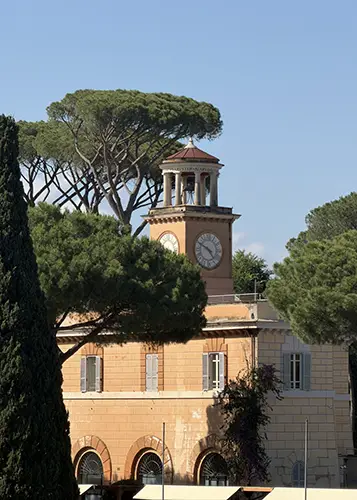
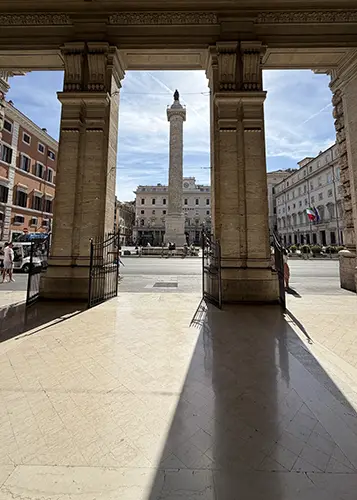
Rome can feel overwhelming on a first visit. Ancient ruins, Renaissance churches, Baroque fountains and contemporary neighborhoods overlap across the city, making it impossible to experience everything in three days.
Rather than attempting to check off every landmark, concentrate on a different part of Rome each day.
Day 1: Settle In and Explore Rome’s Historic Center
After arriving and checking into your hotel, begin with a relaxed walk through Rome’s historic center.
The Pantheon is an ideal starting point. Originally constructed as a Roman temple and later converted into a church, it remains one of the best-preserved buildings from ancient Rome. Its vast concrete dome and central opening continue to influence architecture around the world.
From the Pantheon, walk to Piazza Navona, where fountains, cafés and street life fill an elongated square constructed over the remains of an ancient stadium. Continue toward Campo de’ Fiori before crossing the Tiber to explore Trastevere.
Trastevere is known for narrow streets, ochre-colored buildings and a lively restaurant scene. Although its busiest streets can become crowded, quieter corners still reveal laundry hanging between buildings, small churches and neighborhood courtyards.
End the evening with a traditional Roman meal. Look for dishes such as cacio e pepe, amatriciana, carbonara or saltimbocca alla romana.
Day 2: The Colosseum, Roman Forum and Palatine Hill
Dedicate the second day to ancient Rome.
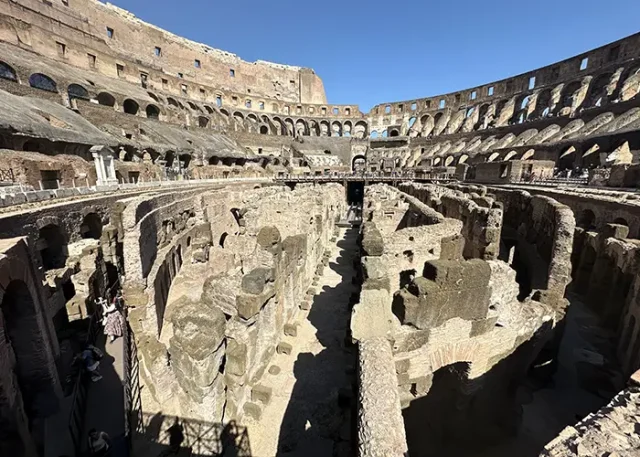
Begin at the Colosseum, where timed admission should be reserved through the official ticketing system. Different tickets provide access to different areas, so review the inclusions carefully before purchasing. The archaeological park identifies its own website as the official source for tickets and visitor information. Parco archeologico del Colosseo
Continue into the Roman Forum, once the political, religious and commercial center of the ancient city. The site contains temples, basilicas, triumphal arches and the remains of public buildings spanning centuries of Roman history.
From the Forum, climb Palatine Hill, traditionally regarded as the birthplace of Rome and later home to imperial residences. Its elevated position provides views over the Forum and toward the Circus Maximus.
The three sites require several hours and involve extensive walking over uneven surfaces. Comfortable footwear, water and sun protection are essential.
Later, explore the Monti neighborhood, located a short walk from the Colosseum. Independent shops, wine bars and relaxed restaurants make it a pleasant place to spend the evening.
Day 3: Vatican City and Baroque Rome
Reserve the morning for Vatican City.
The Vatican Museums contain an enormous collection of classical sculpture, Renaissance paintings, tapestries, maps and historic objects assembled over centuries. The route culminates in the Sistine Chapel, where Michelangelo’s ceiling and The Last Judgment remain among the most recognizable works in Western art.
Tickets should be purchased from the official Vatican Museums website, particularly during busy travel periods. The museums currently operate Monday through Saturday, with limited opening on the final Sunday of most months, but hours should always be confirmed before visiting. Vatican Museums
St. Peter’s Basilica is separate from the Vatican Museums and has its own entrance and security procedures. Visitors must observe the dress code, which generally requires shoulders and knees to be covered.
After leaving Vatican City, cross the river and walk toward Castel Sant’Angelo. Continue into the historic center for the Trevi Fountain and Spanish Steps.
These landmarks are especially crowded during the middle of the day. Visiting early in the morning or returning after dinner can offer a more atmospheric experience.
Day 4: Travel to Florence and Meet the Duomo
Take a morning high-speed train from Roma Termini to Firenze Santa Maria Novella. Direct services generally complete the journey in a little over 90 minutes, arriving close to Florence’s historic center. Trenitalia
After checking in, walk to Piazza del Duomo.
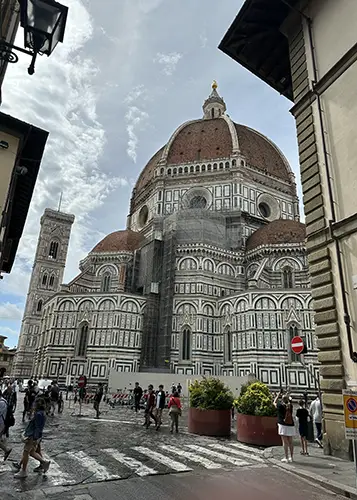
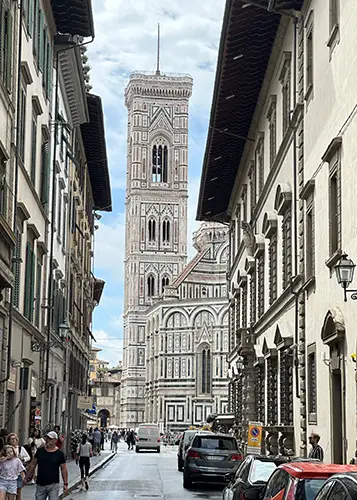
The Cathedral of Santa Maria del Fiore dominates the Florence skyline with its patterned marble exterior and immense dome designed by Filippo Brunelleschi. The wider cathedral complex includes Giotto’s Bell Tower, the Baptistery of San Giovanni, the cathedral museum and archaeological remains beneath the church.
Climbing the dome or bell tower requires a reservation and involves steep, narrow staircases. Travelers with mobility issues or a fear of confined spaces should review the experience before booking.
From the Duomo, continue along Via dei Calzaiuoli toward Piazza della Signoria. The square is bordered by Palazzo Vecchio, historic sculptures and the open-air Loggia dei Lanzi.
Finish the day beside the Arno River, where the medieval Ponte Vecchio is lined with jewelry shops constructed over the bridge.
Travelers continuing north can find additional inspiration in DRIFT Travel’s guide to Northern Italy.
Day 5: Renaissance Art and the Oltrarno
Begin the day at the Uffizi Gallery, one of the world’s most important collections of Renaissance art.
The galleries include works by Botticelli, Leonardo da Vinci, Michelangelo, Raphael, Titian and Caravaggio. Trying to see every room can lead to museum fatigue, so select several priority artists or sections before arriving.
Timed reservations are strongly recommended and can be made through the official Uffizi Galleries ticketing system. Uffizi Galleries
In the afternoon, cross the Arno into the Oltrarno district. This part of Florence is associated with artisan workshops, neighborhood restaurants and several important landmarks, including the Pitti Palace and Boboli Gardens.
Continue to the Basilica of Santo Spirito or explore the shops and cafés around Piazza Santo Spirito.
For sunset, walk or take a bus to Piazzale Michelangelo. The terrace provides a broad view across Florence, including the Duomo, Palazzo Vecchio and the bridges spanning the Arno. Continue a little farther uphill to San Miniato al Monte for another perspective over the city.
Day 6: Michelangelo or a Tuscan Day Trip
There are two good ways to use the sixth day.
Travelers who want more time in Florence can begin at the Accademia Gallery, home to Michelangelo’s David. From there, visit the Basilica of Santa Croce, the San Lorenzo Market or one of the city’s smaller museums.
The Bargello is particularly rewarding for sculpture, while the Museo dell’Opera del Duomo provides valuable context for the cathedral complex.
Alternatively, use the day for an excursion into Tuscany.
Siena offers a medieval cityscape centered on the shell-shaped Piazza del Campo. Lucca is known for its intact Renaissance walls, which form a walking and cycling route around the historic center. San Gimignano is distinguished by surviving medieval towers, while Bologna combines arcaded streets with one of Italy’s most celebrated food cultures.
Avoid trying to combine too many destinations in a single day. One well-chosen town allows more time for lunch, walking and unplanned discoveries.
Back in Florence, sample Tuscan specialties such as ribollita, pappa al pomodoro, pappardelle with wild boar ragù or bistecca alla fiorentina. The steak is traditionally large and shared, so ask about its size before ordering.
Day 7: Travel to Venice and Explore Cannaregio
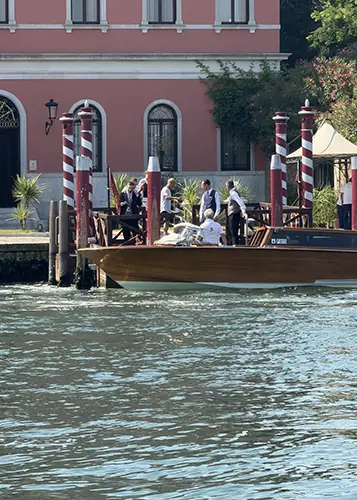
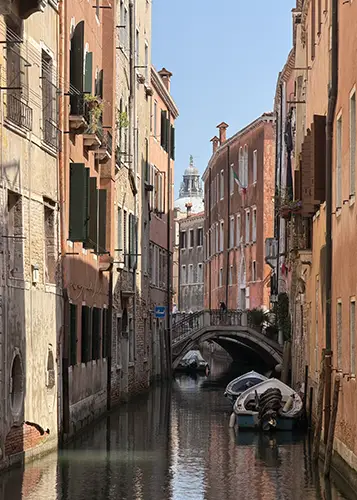
Take a direct high-speed train from Florence to Venezia Santa Lucia. Arriving at Santa Lucia provides a memorable introduction as passengers leave the station and immediately encounter the Grand Canal.
Venice can be challenging with heavy luggage. Bridges frequently have steps, lanes can be narrow and some hotels require a walk from the nearest vaporetto stop. Pack lightly and confirm the most practical route to your accommodation in advance.
Spend the first afternoon exploring Cannaregio. Although the district includes the busy route between the train station and Rialto, its northern streets and canals can feel considerably quieter.
Visit the historic Jewish Ghetto, walk beside the Cannaregio Canal and stop at a bacaro for cicchetti—small Venetian snacks commonly served with wine or a spritz.
The goal of the first day is not to see every famous attraction. Give yourself time to understand Venice’s layout and adjust to traveling by foot and water.
Day 8: St. Mark’s Square and Dorsoduro
Begin early at Piazza San Marco before the largest daytime crowds arrive.
St. Mark’s Basilica is celebrated for its domes, mosaics and combination of architectural influences. Modest clothing is required, and large bags may be restricted. Advance reservations can reduce waiting during busy periods.
Next door, the Doge’s Palace reveals the political and administrative center of the former Venetian Republic. Its grand council chambers contrast with the prison cells reached by crossing the enclosed Bridge of Sighs.
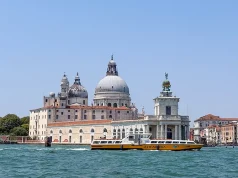
After lunch, take a vaporetto across the Grand Canal or walk to Dorsoduro. The district is home to the Peggy Guggenheim Collection, the Gallerie dell’Accademia and the domed Basilica di Santa Maria della Salute.
Walk to the Punta della Dogana at the meeting point of the Grand Canal and Giudecca Canal before returning through Dorsoduro’s quieter lanes.
A gondola ride is optional rather than essential. Travelers primarily interested in seeing Venice from the water may find the vaporetto equally rewarding, particularly along the Grand Canal.
Day 9: Murano, Burano and the Venetian Lagoon
Use the ninth day to explore the islands of the Venetian Lagoon.
Murano has been associated with glassmaking for centuries. Visitors can browse workshops, visit the Glass Museum and learn about the techniques behind Venetian glass. Purchase from reputable studios if authenticity and local production are important.
Burano is known for brightly painted houses, lace-making traditions and canals lined with small boats. Its vivid colors make it particularly photogenic, but visitors should remember that the island remains a residential community.
Torcello offers a quieter contrast. Once an important lagoon settlement, it is now known for its historic cathedral, open landscape and comparatively peaceful atmosphere.
It is possible to visit all three islands in a day, but spending more time on two of them usually creates a less hurried experience.
Day 10: Hidden Venice or Departure
If your departure schedule permits, spend the final morning away from Venice’s busiest corridors.
Explore the residential streets of Castello, visit the monumental church of Santi Giovanni e Paolo or browse the Rialto Market. Another option is to take a vaporetto to San Giorgio Maggiore for views across the water toward St. Mark’s Square.
Venice is most memorable when travelers allow themselves to wander. Put away the map temporarily, follow a quiet canal and see where the next bridge leads. The historic center is compact, and getting slightly lost is often part of the experience.
Leave enough time to collect luggage and travel to the airport or train station. Venice Marco Polo Airport can be reached by road or water transportation, and the best option depends on the location of your accommodation.
Traveling Between Rome, Florence and Venice
High-speed rail is generally the most convenient way to complete this itinerary.
Central railway stations place travelers close to the historic areas of each city, avoiding airport transfers and lengthy security procedures. Rome to Florence takes a little over 90 minutes on many direct services, while Florence to Venice commonly takes approximately two hours.
Purchase tickets through the official Trenitalia or Italo websites. Discounted advance fares may have stricter change or cancellation conditions, so read the rules before completing the booking.
Allow enough time to locate the correct platform, but remember that platform numbers may not appear until shortly before departure.
Important Reservations to Make in Advance
The following attractions frequently benefit from advance booking:
- The Colosseum
- Vatican Museums
- Borghese Gallery, if added to the Rome itinerary
- Florence Cathedral dome climb
- Uffizi Gallery
- Accademia Gallery
- St. Mark’s Basilica
- Doge’s Palace
Use official attraction websites whenever possible. Third-party websites sometimes resemble official ticketing pages while charging additional commissions or selling packages that include services you may not need.
Practical Tips for a 10-Day Italy Trip
- Pack comfortable footwear. This itinerary involves extensive walking on cobblestones, steps and uneven archaeological surfaces.
- Carry a reusable water bottle, particularly during warmer months.
- Observe dress requirements at churches and religious sites.
- Validate paper regional-train tickets when required. Digital and high-speed tickets follow different rules.
- Keep valuables secure in stations, on crowded transportation and around major attractions.
- Avoid scheduling more than one major museum in a single half-day.
- Leave room for long lunches, neighborhood walks and spontaneous stops.
- Confirm attraction hours close to departure because schedules can change seasonally.
- Check Venice’s official visitor website for any access-fee or registration requirements applying to your dates. Venice’s 2026 access-fee trial ended on July 26, but future arrangements may differ. Venezia Unica
Experiencing Italy Beyond the Checklist
Ten days will not reveal everything about Rome, Florence and Venice. What this itinerary provides is a meaningful introduction to three cities that have profoundly influenced European history, art, architecture and food.
The Colosseum, Uffizi and St. Mark’s Basilica may be the headline attractions, but smaller moments often become equally memorable: morning coffee at a neighborhood bar, an evening walk beside the Arno or the sound of footsteps along a quiet Venetian canal.
Plan the essential reservations carefully, travel between cities by train and leave enough space for Italy to surprise you.