

A Region-by-Region Vaccine Planner for Trips That Span Continents
Long-haul itineraries rarely stay in one climate zone. This checklist, current as of November 2026, sorts common travel vaccines and preventives by region so you know what to raise with a clinic before you book.
Which Vaccines Does Each Region Call For?
Each region calls for a different mix, and the exact list depends on your itinerary, vaccination history and health conditions. The table shows what is most often discussed for four broad regions. Proof of a vaccine may be required or recommended at some borders, so confirm the rules for each country on your route.
| Region | Often discussed | Main exposure |
| Sub-Saharan Africa | Yellow fever, typhoid, hepatitis A, MenACWY, malaria prevention | Mosquitoes, food and water, dry-season meningitis |
| South and Southeast Asia | Typhoid, hepatitis A, Japanese encephalitis, rabies | Food and water, mosquitoes, dogs and monkeys |
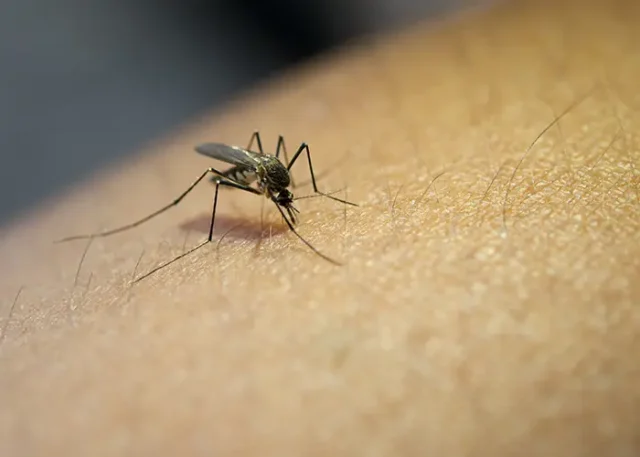
| Mexico, Central America, Caribbean | Bite prevention first, hepatitis A, typhoid in some areas | Dengue-carrying mosquitoes |
| Andes and wider South America | Hepatitis A, typhoid, yellow fever in some areas | Mosquitoes, high elevation |
In one sentence: Africa centers on yellow fever, typhoid, meningococcal disease and malaria, Asia on typhoid, hepatitis A, Japanese encephalitis and rabies, the tropical Americas on mosquito-bite prevention, and the Andes on altitude planning.
TravelBug Health is a locally owned travel medicine clinic in Scottsdale, Arizona, offering pre-travel consultations, travel vaccinations and yellow fever certification from a single clinic. Its vaccinations page covers the full range of routine and travel vaccines for Southeast Asia, along with regional guides for Africa, Asia, South America and the Caribbean.
Start With Routine Immunizations
Routine immunizations come first on any itinerary, and destination vaccines are added afterward. Check each against your records:
- Tdap (tetanus, diphtheria and pertussis): the booster is given every 5 to 10 years, sooner (about 5 years) when a wound carries risk.
- MMR (measles, mumps and rubella): confirm your documented doses.
- Polio: confirm the series is complete, since some African countries may ask for proof for onward travel.
- Hepatitis A: it is on the routine US childhood schedule, but completion varies, so verify it. A single dose still helps right up to the day of departure, though it works best at least 2 weeks before travel.
- Influenza: recommended for everyone 6 months and older. The Scottsdale clinic stocks the regular flu vaccine for ages 6 months to 65; ask your medical provider about RSV or high-dose senior flu shots.
For the records hunt, track down copies of all vaccination records going back to birth. Check your doctor’s or pediatrician’s office, schools and colleges you attended, and parents or caregivers who kept childhood records.
What Should You Plan for in Africa?
Plan for yellow fever, typhoid, hepatitis A, meningococcal disease and malaria, alongside bite prevention and food and water habits. A single dose provides lifelong protection for most travelers. A travel health specialist needs to review your health history and itinerary in a risks versus benefits discussion, because it is a live vaccine and not appropriate for everyone.
Yellow fever vaccination may be required or recommended depending on the countries on your route, layovers included. Proof is the International Certificate of Vaccination or Prophylaxis (ICVP, the yellow card), which only an authorized yellow fever vaccination center can issue; a regular doctor cannot. CDC Travelers’ Health notes the certificate is valid beginning 10 days after vaccination and must carry the giving center’s stamp.
MenACWY (meningococcal) vaccination is recommended for the sub-Saharan meningitis belt, with the highest risk in the dry season from December to June, and for anyone visiting friends and relatives there. Malaria medication is matched to the itinerary, since options differ in side effects and in where they work.
Which Vaccines Matter in South and Southeast Asia?
Typhoid and hepatitis A lead the list, followed by Japanese encephalitis (brain inflammation) and rabies when the itinerary warrants. Typhoid risk is concentrated in South or Southeast Asia, Africa and parts of Latin America, and rises when you eat outside major hotels and restaurants. The oral Vivotif® is a live vaccine taken as four capsules on a set schedule, with the final dose at least 1 week before travel. Typhim Vi® is a single inactivated injection that can suit a closer departure, though it takes up to 2 weeks to reach full effect. Hepatitis A vaccine (Havrix® or Vaqta®) pairs with typhoid because both spread through contaminated food and water.
Japanese encephalitis vaccine (Ixiaro®) is considered by season, time in rural areas and trip length. The disease spreads only by mosquito bites, so vaccination always travels with insect-bite prevention. Travelers likely to meet stray dogs or monkeys, both common in the region, should consider the two-dose rabies series (days 0 and 7) with Imovax® or RabAvert®, which markedly simplifies treatment after a possible exposure. Dengue is the most common mosquito-borne disease here, and there is no practical dengue vaccine available for U.S. travelers, so EPA-registered DEET or picaridin repellent is the protection. Typhoid, hepatitis A and rabies risk is higher for travelers visiting friends and relatives.
What Matters Most in Latin America and the Caribbean?
Mosquito-bite prevention leads, because dengue is the most common mosquito-borne disease in Mexico and other tropical destinations, and chikungunya, Zika and malaria also occur. Chikungunya vaccine (Vimkunya®) is recommended for travelers 12 and older going to an area with a current outbreak, and may be considered for stays of about 6 months or more in elevated-risk areas; eligibility is decided at consultation.
Elevation is the other variable. Most travelers start noticing altitude symptoms above roughly 8,000 to 10,000 feet. Air pressure falls with elevation, so each breath delivers less oxygen, though the percentage of oxygen in air stays the same. Travelers flying directly into Cusco, Peru (elev. 11,150 feet) reach that range with little time to acclimatize, and a preventive medication such as Diamox® may be prescribed after the itinerary is reviewed.
How Do You Handle Food, Water and Medications on a Long Trip?
Start with food and water: the CDC Yellow Book calls travelers’ diarrhea the most predictable travel-related illness, with attack rates of 30% to 70% over a 2-week period depending on destination and season. It also notes that street-vendor food raises risk, that fully cooked foods served hot are safest, and that factory-sealed bottled or canned drinks are generally safe. Our short rule: if it comes out of a tap, it doesn’t go in your mouth, brushing teeth included. Street food cooked to order and served hot is usually fine.
For a long trip, also plan these points:
- Malaria, traveler’s diarrhea and altitude medications are dispensed or prescribed at the consultation, matched to your route.
- Loperamide (Imodium®) is a sensible item for high-risk destinations.
- US prescriptions are usually limited to a 90-day supply, so a stay beyond about 3 months may need alternate refill arrangements.
- Band-aids, antibiotic ointment, familiar over-the-counter medicines, sunscreen and repellent are enough, since common pharmacy items are sold at your destination.
Blood in the stool, high fever or severe pain means seeking immediate evaluation.
When Should You Book the Pre-Trip Consultation?
Just like the CDC, we recommend scheduling a pre-travel consultation at least 6 to 8 weeks prior to departure. Multi-dose series such as Japanese encephalitis and rabies run on specific schedules. If you leave sooner, single-dose protection is still worth discussing.
TravelBug Health states on its Scottsdale clinic page that the consultation covers the full itinerary, every country and every layover, drawing on current CDC and WHO advisories. Bring your vaccination records, your itinerary with layovers, a list of current medications and your questions.
The right vaccine list is built around your route, history and calendar. Use this checklist to arrive prepared, then let the consultation settle what applies to you.